
That green film creeping up the shaded side of your home is not just an eyesore. In Baltimore County, moisture, pollen, algae, and mildew build up fast, and soft washing house siding is one of the safest ways to clean it without damaging the surface underneath. When done correctly, it restores curb appeal, protects your exterior, and helps your home look cared for instead of weathered.
Why soft washing house siding works
A lot of homeowners hear the word washing and assume more pressure means better results. For siding, that is often the opposite of what you want. Vinyl, painted surfaces, stucco, and other exterior materials can be damaged when high pressure forces water behind panels, strips oxidation unevenly, or leaves visible marks.
Soft washing house siding uses low-pressure water combined with professional cleaning solutions that break down organic growth, dirt, and staining at the source. That matters because algae and mildew are not just sitting on the surface. They cling, spread, and return quickly if they are not treated properly.
The goal is not just to rinse the house. It is to actually clean it in a way that is safe for the material and effective enough to last. That is why soft washing is typically the better choice for most residential siding, especially on homes with visible discoloration, black streaking, or green buildup.
What builds up on siding in Maryland
Homes in Baltimore County deal with a mix of conditions that make exterior staining hard to avoid. Humidity, tree cover, seasonal pollen, rain, and shaded areas create an ideal environment for organic growth. Even homes that look fairly clean from the street often have buildup on the north side, under eaves, around gutters, or behind landscaping.
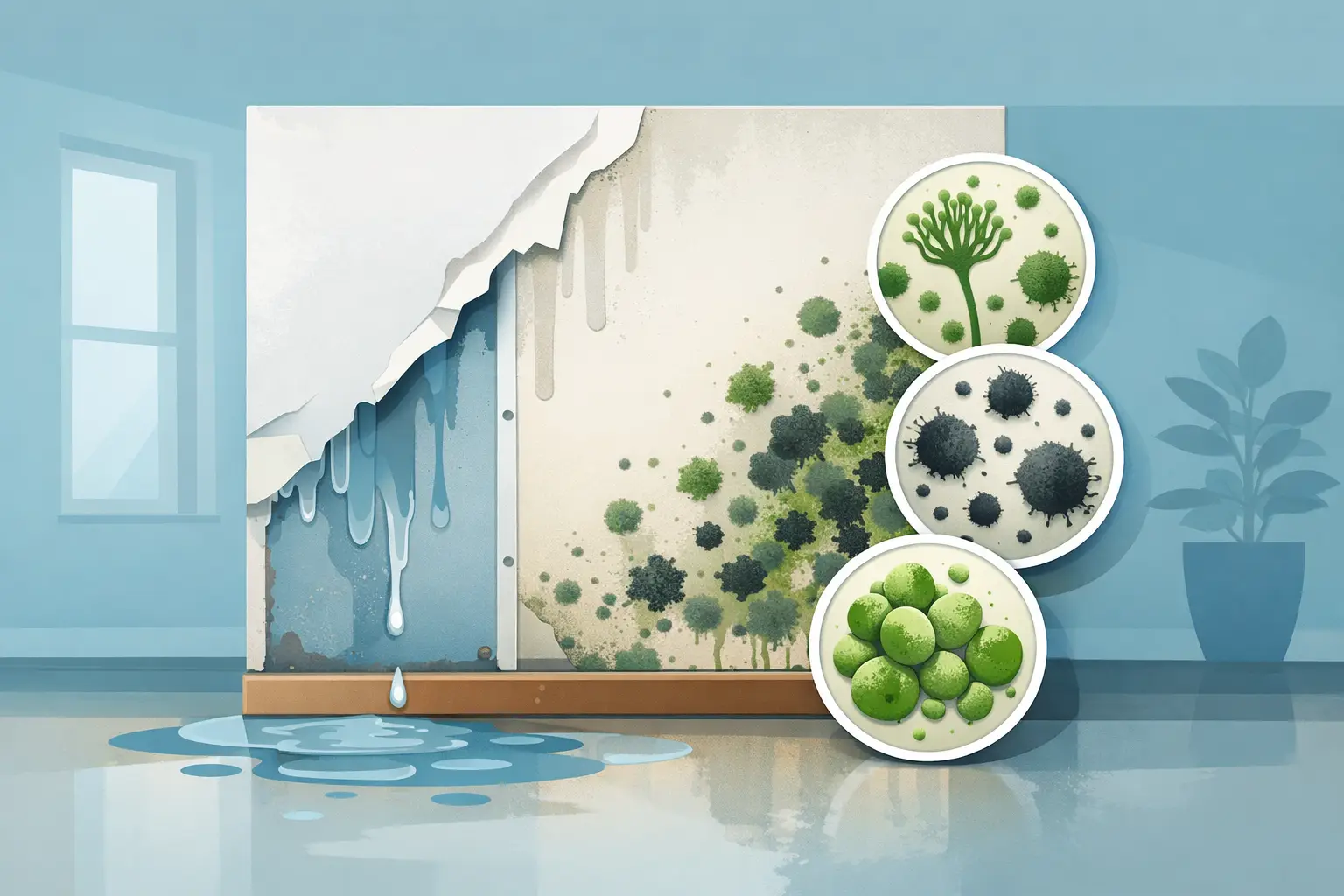
Some of the most common issues include algae, mildew, mold, dirt, spider webs, and oxidation. Each one behaves a little differently. Algae and mildew respond well to soft washing because the cleaning solution treats the growth instead of just blasting it loose. Dirt and pollen rinse away more easily, but they still leave a dull film that makes siding look older than it is.
Oxidation is where things get more nuanced. Chalky residue on vinyl or painted siding may improve with washing, but not every oxidized surface can be restored the same way. In some cases, aggressive cleaning makes uneven fading more obvious. That is why the right approach depends on the age of the siding, the finish, and the severity of the buildup.
When soft washing is the better option than pressure washing
Pressure washing has its place. Concrete, some masonry, and certain hard exterior surfaces can handle higher pressure when cleaned correctly. House siding is different. Most siding materials benefit from a lower-pressure method because the risk of damage is higher and the results are often better with a treatment-based process.
If your home has vinyl siding, painted wood, composite siding, stucco, or older exterior finishes, soft washing is usually the smarter choice. It reduces the chance of forcing water where it should not go and helps preserve the look of the surface.
There are still situations where a technician may combine methods. A home might need soft washing on the siding and a different cleaning approach on adjacent concrete, steps, or retaining walls. That is one reason homeowners often prefer a company that handles full-property cleaning instead of treating the siding as an isolated job.
What to expect from a professional siding wash
A professional soft wash starts before any water is sprayed. The property should be evaluated for siding type, staining level, landscaping, access points, and any problem areas around windows, electrical fixtures, or delicate finishes. This helps determine the right solution strength and cleaning process.
Next comes prep work. Plants and nearby surfaces may need protection, and the area should be set up to keep the cleaning controlled and efficient. Then the siding is treated with a low-pressure application designed to loosen grime and kill organic growth. After the solution has time to work, the home is rinsed carefully to reveal a noticeably cleaner finish.
A good result looks even, bright, and clean without the streaks or gouges that poor washing can leave behind. You should not be left wondering whether the house was actually cleaned. The difference should be obvious from the curb.
How often should house siding be soft washed?
For many homes, every 12 to 24 months is a reasonable schedule. But there is no perfect number that applies to everyone. A house under heavy tree cover or near constant moisture may need service more often. A home with full sun exposure and less organic growth may be able to go longer.
The better question is what your siding looks like right now. If you see green patches, black spotting, dull film, or dingy streaks that make the exterior look tired, it is probably time. Waiting too long usually means more buildup, more staining, and a harder clean.
For property managers and homeowners preparing to sell, timing can be even more important. Freshly cleaned siding can improve first impressions quickly, especially when paired with gutter cleaning, concrete washing, or roof treatment.
DIY vs professional soft washing house siding
It is understandable to consider doing it yourself. Big box stores rent equipment, and plenty of cleaning products promise fast results. The challenge is that siding cleaning is easy to get wrong. Too much pressure can damage panels or push water behind them. The wrong chemical mix can affect paint, surrounding plants, or leave inconsistent results.
There is also a safety factor. Reaching second-story areas, working around landscaping, and handling cleaning solutions all add complexity. On paper, a DIY wash can look like a money saver. In practice, homeowners often end up with missed spots, damaged finishes, or results that fade quickly because the root growth was never properly treated.
Professional service gives you a more controlled process, commercial-grade equipment, and a crew that knows how different siding materials respond. That matters when the goal is not just getting the house wet, but getting it truly clean.
Why curb appeal and maintenance go together
Clean siding does more than improve appearance. It changes how the whole property feels. Trim looks brighter, windows stand out more clearly, and landscaping looks more intentional when it is not framed by stained exterior walls.
There is also a maintenance benefit. Organic buildup holds moisture against surfaces, and while siding is designed to handle weather, constant grime and growth are not helping it age well. Regular cleaning supports the long-term condition of your exterior and can help you spot issues earlier, like damaged caulking, loose sections, or gutter overflow stains.
For busy homeowners, this is often about convenience as much as appearance. One appointment can make the property look refreshed without the cost of repainting or exterior replacement.
Choosing the right company for soft washing house siding
Not every exterior cleaning company approaches siding the same way. Some still rely too heavily on pressure. Others offer low prices but little clarity on process, protection, or expected results. It pays to ask how the siding will be cleaned, what type of solution is used, and whether the company has experience with your exterior material.
Look for a provider that offers clear pricing, responsive scheduling, and a strong local reputation. Reviews matter, especially when they mention professionalism, visible results, and care for the property. Homeowners in Baltimore County want fast service, honest communication, and work that looks worth paying for.
That is exactly why many local customers turn to Superior Cleaning Solutions. As a family-owned company focused on full-property cleaning, we help homeowners get more than a quick rinse. We deliver safe, professional exterior cleaning that makes the home look refreshed and well maintained.
If your siding has lost its clean, bright appearance, the fix may be simpler than you think. A proper soft wash can remove the buildup, restore the look of your exterior, and give your home the kind of clean that feels good every time you pull into the driveway.





Leave a Reply