
A home can look tired long before anything is actually broken. Green streaks on siding, dark patches on concrete, slippery walkways, and dingy fences all send the same message – this property needs attention. Pressure washing is one of the fastest ways to restore curb appeal, improve safety, and help protect the surfaces that take the most abuse from Maryland weather.
For homeowners and property managers in Baltimore County, that matters. Our seasons bring pollen, humidity, rain, leaf stains, mildew, and grime that build up slowly and then all at once. What starts as a cosmetic issue can turn into a maintenance issue if surfaces stay wet, stained, and neglected for too long.
Why pressure washing matters
Pressure washing is not just about making a property look cleaner for a week. Done correctly, it removes layers of buildup that can shorten the life of exterior materials. Mold, algae, dirt, and pollution do more than dull the appearance of a home – they trap moisture, create slick surfaces, and wear down finishes over time.
Concrete is a good example. A driveway may seem tough enough to handle anything, but oil spots, organic growth, and ground-in dirt can leave it looking permanently stained. Pressure washing lifts that buildup and brightens the surface, which instantly improves the look of the whole front of the property. The same goes for walkways, patios, pool areas, retaining walls, and steps.
Siding is a little more nuanced. Vinyl, brick, and some composite materials respond well to professional cleaning, but the right method depends on the surface and the condition of the home. Too much pressure in the wrong spot can force water behind siding or damage painted finishes. That is why experience matters as much as equipment.
Not every surface needs the same approach
One of the biggest misconceptions about pressure washing is that more pressure always means better results. It usually does not. Some surfaces need high-pressure cleaning to break up heavy buildup. Others need a lower-pressure method with specialized detergents to clean safely.
That distinction is where many DIY jobs go sideways. Concrete can often handle stronger pressure, but roofs, painted wood, stucco, and delicate siding usually require a soft washing approach instead. If you use the wrong setting, you can end up with etched wood, damaged shingles, chipped paint, or water intrusion that costs far more than the cleaning itself.
Professional service is about matching the cleaning method to the material. The goal is not just to blast away dirt. The goal is to remove buildup thoroughly while preserving the surface underneath.
Pressure washing vs. soft washing
Pressure washing uses a stronger stream of water to remove dirt, stains, and organic growth from durable exterior surfaces. It is often the right choice for concrete, stone, pavers, and some masonry. On heavily soiled hardscapes, it delivers dramatic results quickly.
Soft washing uses lower pressure and cleaning solutions to break down algae, mildew, mold, and grime on more delicate materials. This is often the safer method for siding, roofing, fencing, screened enclosures, and painted surfaces. It takes a little more product knowledge and process control, but it protects the finish while still giving you a deep clean.
For many properties, the best result comes from using both methods in the right places. That is especially true when a home has multiple exterior surfaces that have aged differently.
The most common areas that benefit from pressure washing
Most homeowners notice the driveway first, but it is rarely the only area that needs attention. Concrete sidewalks and entry paths tend to darken from foot traffic, weather, and organic growth. Patios collect dirt, food spills, and moss. Decks can turn dull and slippery. Fences lose their color under a layer of mildew and grime.
Siding is another major trouble spot in Baltimore County. Humidity and shade create ideal conditions for algae and mildew, especially on the north side of the home or near landscaping. What looks like a small patch today can spread across larger sections faster than most people expect.
Gutters and fascia also affect the overall appearance of the home. Even if the roofline is structurally sound, dark runoff stripes and buildup can make the whole exterior look neglected. A well-planned exterior cleaning often works best when pressure washing is paired with services like gutter cleaning, roof cleaning, or deck cleaning so the entire property looks consistent.
Why DIY pressure washing can be risky
Renting a machine sounds simple enough. In practice, it can be a frustrating and expensive shortcut. Consumer-grade equipment often lacks the consistency and cleaning power needed for larger jobs, while stronger rental units can be difficult to control if you are not used to them.
The biggest issue is damage. We have seen too many surfaces scarred by wand marks, chipped paint, splintered wood, stripped sealant, and water driven into places it should never go. Window seals, door frames, outdoor fixtures, and landscaping can all be affected if the job is rushed or handled without the right technique.
There is also the time factor. A job that looks like a quick Saturday project can turn into an all-day effort with mixed results. Homeowners usually call for professional help when they want the property cleaned right the first time, with less hassle and no guessing.
What to expect from professional pressure washing
A professional service should start with a clear assessment of the surfaces being cleaned. Not every stain is treated the same way, and not every area should be washed with the same pressure. A good team looks at the age of the material, the type of buildup, drainage, nearby plants, and any areas that need extra care.
From there, the process should be straightforward. You should know what is being cleaned, what method will be used, and what the pricing covers before the job starts. That kind of transparency matters because customers are not just buying a cleaning service. They are trusting someone with their property.
The best results are visible immediately, but the value goes beyond appearance. Clean exterior surfaces are easier to maintain, less slippery, and less likely to keep trapping moisture and contaminants. For homeowners getting ready to sell, host family, or simply take pride in the way their home looks, that difference is hard to ignore.
Pressure washing for homes and light commercial properties
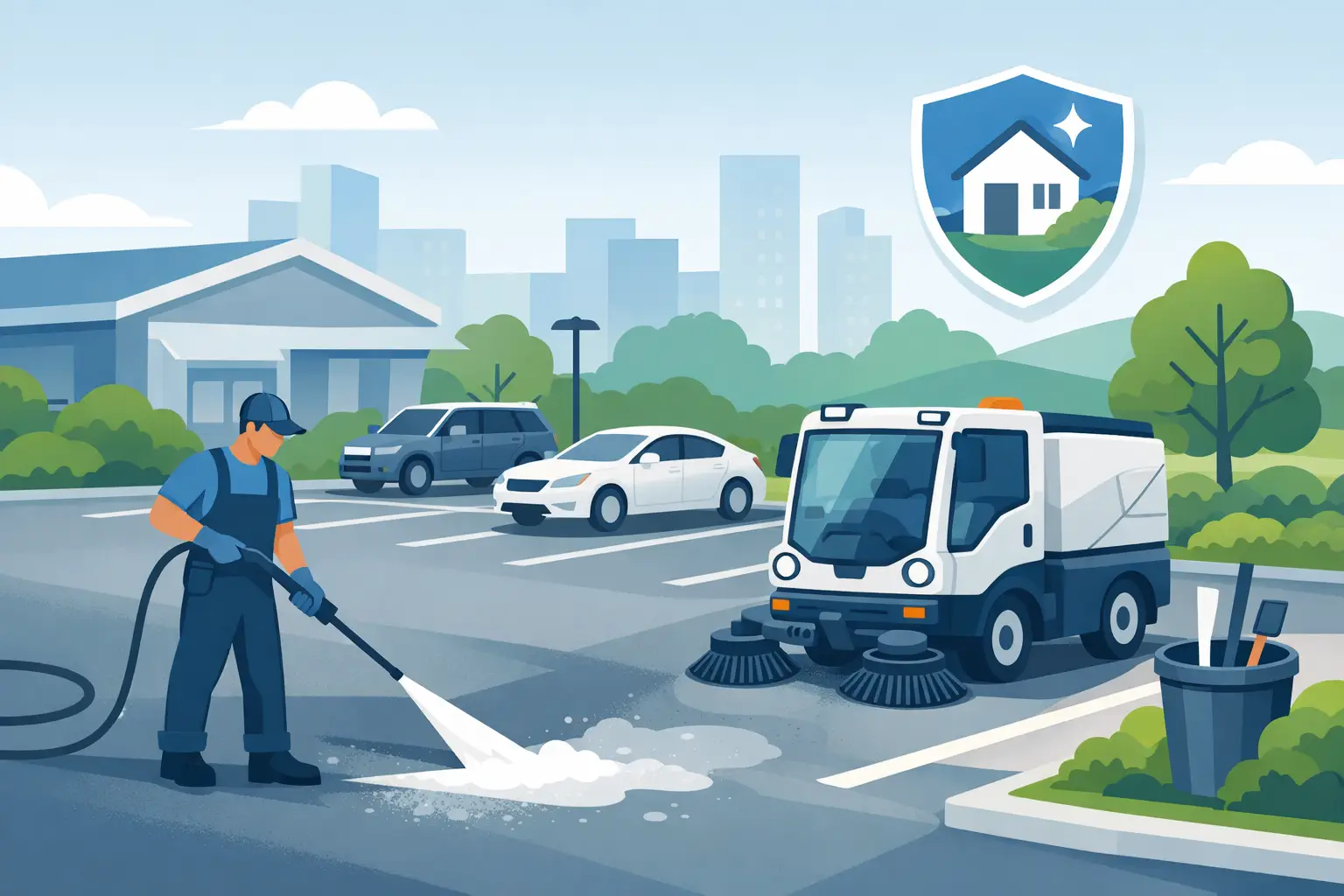
Residential properties are not the only ones that benefit from regular exterior cleaning. Small offices, retail storefronts, apartment entries, HOA common areas, and managed rental properties all deal with the same buildup from weather, foot traffic, and environmental staining.
For property managers, appearance and maintenance go hand in hand. A cleaner exterior supports tenant satisfaction, protects surfaces from avoidable wear, and makes the property feel more cared for. For business owners, it can improve first impressions before a customer even walks through the door.
That is one reason many customers prefer working with a company that can handle more than one cleaning need. If a property needs pressure washing, gutter cleaning, roof cleaning, concrete cleaning, or even interior services at the same time, it is more convenient to work with one trusted local team than coordinate several contractors.
Choosing the right pressure washing company
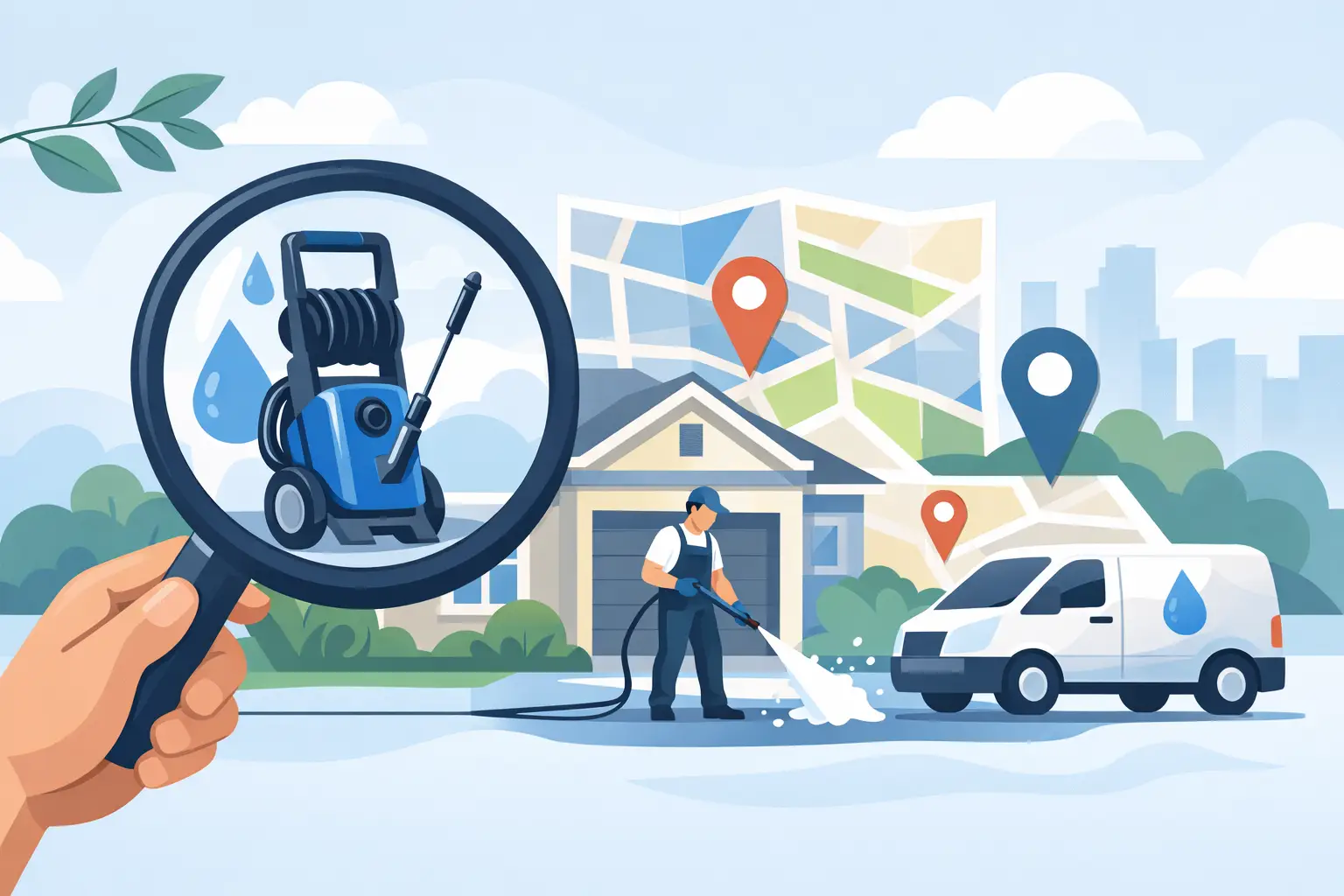
Results matter, but so does trust. When hiring a pressure washing company, look for clear communication, fast scheduling, strong local reviews, and a service approach that puts the condition of your property first. The lowest price is not always the best value if the process is rushed or the cleaning method is wrong for the surface.
You also want a company that understands local conditions. Homes in Baltimore County deal with shade, moisture, seasonal pollen, and year-round grime that create very specific cleaning challenges. A local provider knows what buildup is common here and how to treat it without causing unnecessary wear.
Superior Cleaning Solutions is built around that mindset – honest service, visible results, and cleaning methods tailored to the property instead of a one-size-fits-all approach. For homeowners and property managers who want dependable scheduling, upfront pricing, and a cleaner home without the stress, that makes a real difference.
When is the best time to schedule pressure washing?
Spring and fall are popular for obvious reasons. Spring helps clear away winter residue, pollen, and moisture-related growth. Fall is a smart time to clean up after the heavy wear of summer and prepare the property for colder months.
That said, the right time often depends on what you are seeing. If your walkways are slippery, your siding has visible algae, or your driveway is dragging down the look of the property, there is no benefit in waiting. Exterior buildup usually gets harder to remove the longer it sits.
A clean property feels better to come home to. It looks cared for, it photographs better, and it sends a strong message that maintenance has not been put off. If your exterior surfaces are looking dull, stained, or weathered, pressure washing is one of the smartest ways to refresh the entire property without taking on a major renovation.




Leave a Reply