
A roof covered in green moss might look harmless from the street, but it can hold moisture against your shingles, shorten the life of your roof, and drag down your home’s curb appeal fast. If you’re wondering how to remove roof moss without causing more damage than the moss itself, the safest answer is to use low-pressure methods, the right cleaning solution, and a careful approach that protects both the roofing material and the landscaping below.
In Baltimore County, we see plenty of conditions that help moss thrive – shade, humidity, tree cover, and damp seasons that keep roofs from fully drying out. That means moss is not just a cosmetic issue around here. Left alone, it can lift shingle edges, trap debris, and create the kind of moisture problems that turn a manageable cleaning job into a bigger repair bill.
Why moss on a roof needs attention
Moss is different from a little surface staining. It grows in clumps, holds water, and expands into the gaps between shingles. On asphalt roofs especially, that constant moisture can wear down the granules that protect the shingle surface. Once those granules start coming loose, the roof becomes more vulnerable to sun exposure, weathering, and premature aging.
There is also the traction problem. A mossy roof is slippery, especially in the morning or after rain. Many homeowners underestimate how dangerous it is to walk on a roof that looks only lightly covered. That is one reason roof moss removal is often better handled with professional soft washing instead of a do-it-yourself approach from above.
How to remove roof moss without damaging shingles
The biggest mistake people make is treating roof moss like driveway grime. A roof is not the place for high pressure. Pressure washing can strip granules, crack older shingles, force water under the roofing system, and leave the roof in worse shape than before.
The safer process starts with a visual inspection from the ground or a ladder at the gutter line, not by walking across the roof. You want to understand how much moss is present, whether the roof is already damaged, and where downspouts and landscaping need protection. If the moss is thick, some light manual removal may be part of the process, but it should be gentle. Aggressive scraping can tear shingles or dislodge protective material.
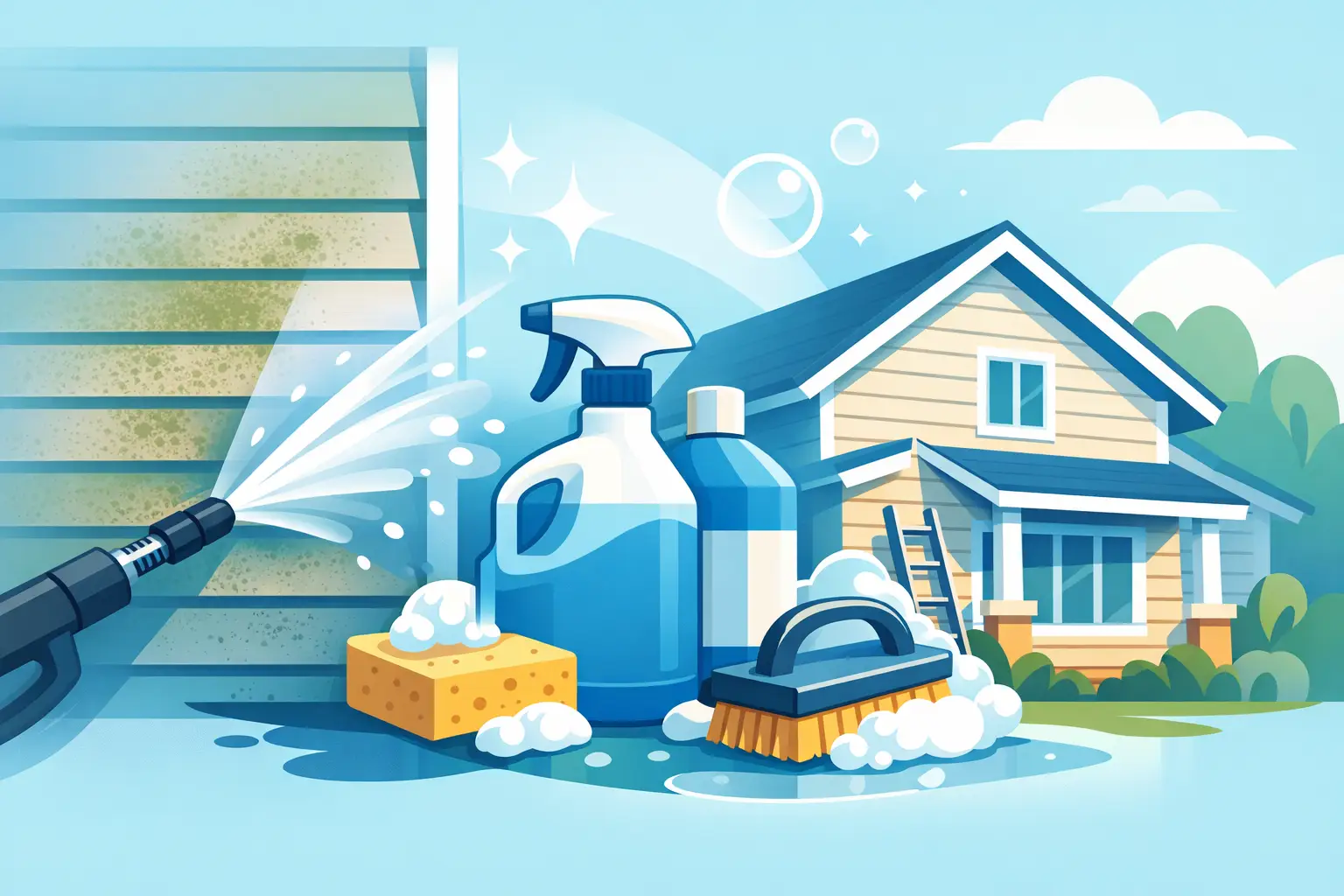
After that, the best method is typically a soft wash treatment. A roof-safe cleaning solution is applied at low pressure to kill the moss at the root. Once the growth dies off, weather and light rinsing can help remove the remaining material over time. On some roofs, immediate visual improvement happens quickly. On others, especially with heavy growth, the dead moss may release more gradually. That trade-off is worth it if it means avoiding damage.
Tools and methods that are usually safe
If you’re researching how to remove roof moss on your own, keep the tool list simple and conservative. A garden sprayer, a roof-safe moss treatment, protective coverings for plants, and standard safety equipment are more appropriate than pressure washing gear. Some homeowners use a soft-bristle brush from the edge of the roof to loosen thick patches, but the key word is soft. Anything stiff or metal-based can scar the shingles.
Timing matters too. A dry day with mild temperatures is usually best. You do not want rain washing product away too quickly, and you do not want to work in extreme heat where roof surfaces become more hazardous. It also helps to wet down surrounding plants before and after treatment so any runoff is diluted.
What you should avoid is just as important. Avoid pressure washers, harsh wire brushes, and random homemade mixes unless you know they are safe for your specific roof type. Avoid climbing onto a steep roof without fall protection. And avoid assuming all dark roof streaks are moss. Some roofs have algae staining mixed in with moss, and the right treatment can vary.
Why professional roof cleaning is often the better choice
Roof cleaning looks simple from the driveway. In practice, it is one of the easiest exterior cleaning jobs to get wrong. The roof is elevated, slippery, and expensive to replace. A professional roof cleaning company can assess the roof material, identify whether you are dealing with moss, algae, lichen, or a combination, and use a cleaning process designed for the surface instead of a one-size-fits-all approach.
That matters because every roof has variables. Newer architectural shingles respond differently than older three-tab shingles. A lightly affected roof may need a maintenance treatment, while a heavily shaded roof with years of buildup may need a more involved cleaning plan. If there are clogged gutters, overhanging branches, or visible wear, those issues should be considered too. Good roof care is not only about removing growth. It is about reducing the conditions that bring it back.
For homeowners who want a dependable result without the safety risk, professional soft washing is usually the most practical route. It is faster, safer, and much more likely to preserve the roof while improving appearance.
What to expect after moss removal
Once the moss is treated and removed, your roof should dry more efficiently and look cleaner from the curb. In some cases, you may notice areas where the moss had been hiding wear or minor damage. That does not mean the cleaning caused the problem. It usually means the growth had been covering up an issue that was already there.
This is also a good time to pay attention to the rest of the exterior. Moss on a roof often shows up alongside clogged gutters, dark siding streaks, or buildup on walkways and patios. When the whole exterior is cleaned together, the improvement is more noticeable and maintenance becomes easier moving forward.
How to keep moss from coming back
Learning how to remove roof moss is only half the job. Prevention is what saves money over time. If the conditions stay the same, moss can return.
Start with shade control. Trimming back overhanging branches allows more sunlight and airflow to reach the roof. That helps the surface dry faster after rain and morning dew. Gutter cleaning matters too, because backed-up gutters can keep roof edges damp and feed growth near the lower sections.
Regular roof inspections also help. You do not need to get on the roof every season, but you should keep an eye on problem areas from the ground. If you see green patches starting to form again, early treatment is much easier than waiting until the moss thickens and spreads.
Some homeowners also choose preventive roof treatments, especially on shaded properties. This can be a smart option if your roof has a history of moss growth or if nearby trees make full prevention unrealistic. The right maintenance schedule depends on your roof’s age, exposure, and surrounding environment.
When roof moss removal should not be DIY
There are times when the safest answer to how to remove roof moss is simple – do not do it yourself. If your roof is steep, high, aging, or heavily covered, the risk goes up quickly. The same is true if you are not sure what roofing material you have or whether the moss has already caused damage.
A do-it-yourself approach can make sense for a small, visible patch on a low-slope section if proper safety steps are followed. But for many homeowners, especially busy families and property managers, hiring a local professional saves time and avoids expensive mistakes. A quality roof cleaning should improve the look of your home and help protect your investment, not create new repair needs.
At Superior Cleaning Solutions, we know homeowners in Baltimore County want results they can see and service they can trust. Roof cleaning should leave your home looking cared for, not put it at risk.
If your roof is showing green patches, dark streaks, or years of buildup, the best next step is to address it early. Moss rarely gets better on its own, and a careful cleaning now can help your roof stay cleaner, drier, and better protected for the seasons ahead.



Leave a Reply