
A burst pipe can turn a normal day into a property emergency in minutes. When water spreads across floors, into walls, and under baseboards, water extraction after burst pipe damage becomes the first step that protects your home or building from much larger repairs.
The hard part is that the damage you can see is usually only part of the problem. Standing water is obvious, but soaked padding, wet subfloors, swollen trim, and trapped moisture behind drywall can keep causing issues long after the puddles are gone. That is why a fast, professional response matters so much for homeowners and property managers in Baltimore County.
Why water extraction after burst pipe damage needs to happen fast
The timeline matters more than most people realize. In the first few hours, water starts moving into porous materials like carpet, wood, drywall, insulation, and cabinetry. Within a short window, those materials can begin to swell, stain, warp, or weaken.
If the water is left sitting, the cleanup gets more expensive. Hardwood can cup, carpet backing can break down, drywall can soften, and moisture can create the kind of hidden environment that leads to odor and microbial growth. Fast extraction is not just about removing water you can see. It is about limiting how far the damage spreads.
In many cases, the difference between a manageable cleanup and a major restoration project comes down to response time. That is especially true in finished basements, kitchens, laundry rooms, and upper-floor pipe breaks where water can travel through ceilings and wall cavities.
What professional water extraction actually includes
Many property owners think extraction means vacuuming up visible water and setting out a few fans. Real water damage work goes much further than that.
Professional water extraction after burst pipe loss typically starts with an inspection of affected rooms, materials, and moisture migration. The goal is to identify where the water went, not just where it pooled. From there, standing water is removed with commercial extraction equipment designed to pull out high volumes quickly.
Once the bulk water is gone, the next phase is controlled drying. Air movers and dehumidifiers are used together to pull moisture out of flooring, walls, and structural materials. Moisture readings help confirm whether areas are actually drying or just feel dry on the surface.
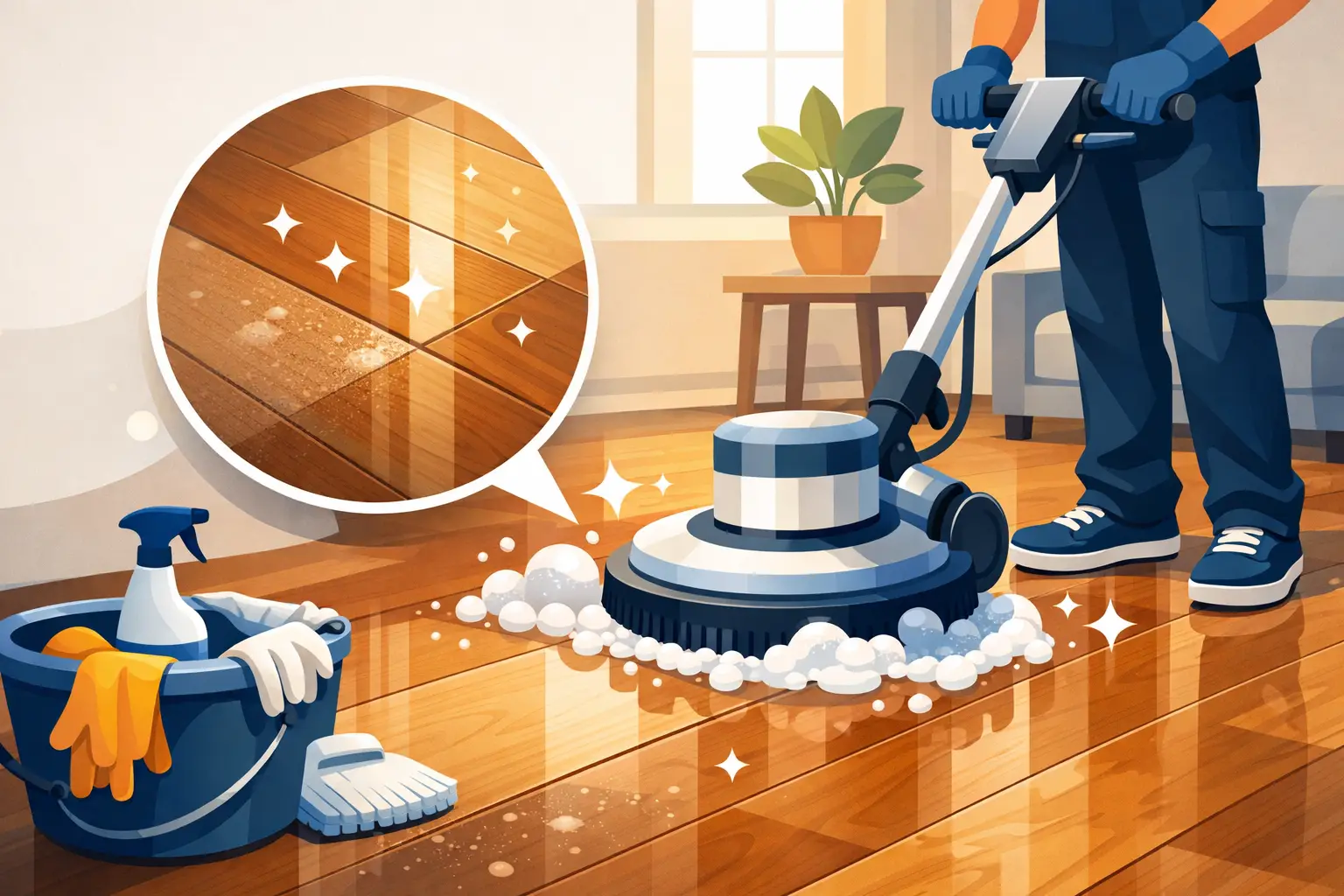
This is where experience matters. Different materials dry at different rates, and some surfaces can be saved while others may need removal. Carpet in one room may be restorable, while saturated padding or damaged laminate in another may not. Good restoration work is never guesswork.
Common places burst pipe water hides
Water rarely stays where the pipe broke. It follows gravity, gaps, seams, and building materials. That is why the visible wet area is often smaller than the actual affected area.
In homes and light commercial spaces, hidden moisture is often found beneath carpet and pad, under vinyl flooring, behind baseboards, inside wall cavities, below cabinets, and above ceiling drywall on lower levels. In colder months, burst pipes can happen along exterior walls, which means insulation and framing may be affected too.
This hidden spread is one reason DIY cleanup often falls short. A room can look better after towels, a wet vac, and open windows, but trapped moisture may still be working its way into materials that are expensive to replace.
Can you handle water extraction yourself?
It depends on the size of the loss, how long the water has been there, and what materials were affected. If a very small amount of clean water is contained to a hard, non-porous surface and addressed immediately, basic cleanup may be enough.
But burst pipe events often involve more than a small spill. Once water reaches carpet, wood flooring, drywall, insulation, trim, or cabinetry, the situation changes. Household fans and shop vacs can help with surface water, but they are not built to remove moisture from deeper layers or verify that drying is complete.
There is also the issue of safety. If water has reached electrical outlets, appliances, furnace areas, or finished basement systems, the risk goes up. The same is true if the pipe break happened overhead and water has traveled through ceilings.
For most real burst pipe losses, professional extraction and drying are the safer and more cost-effective choice. Acting quickly can reduce demolition, shorten drying time, and help preserve more of the property.
The restoration process after extraction
Water removal is only the beginning. After extraction, the property needs a drying plan based on the amount of water, the type of materials involved, and how far moisture has spread.
Drying equipment is positioned to create airflow across wet surfaces while dehumidifiers pull moisture from the air. Moisture monitoring continues throughout the process so adjustments can be made if needed. In some cases, baseboards may need to be removed or small access points created to help trapped wall moisture escape.
Cleaning and sanitation may also be part of the job, especially if water has affected carpets, contents, or areas where odors can develop. The final goal is not just to make the space look dry. It is to return it to a clean, stable condition that helps prevent ongoing damage.
Water extraction after burst pipe problems in winter
In Maryland, winter pipe breaks are common enough that homeowners should take them seriously before the coldest stretch of the season arrives. Frozen pipes often burst in unheated spaces, exterior walls, crawl spaces, garages, and utility areas. The trouble is that some bursts are not discovered right away.
A pipe can freeze overnight, split, and then release significant water once temperatures rise or pressure returns. By the time the leak is noticed, water may already be under flooring or leaking through a lower-level ceiling.
That is why winter water losses need urgency. The longer the delay, the more likely it becomes that materials absorb enough water to require removal rather than drying. Quick action protects both your property and your repair budget.
What property owners should do first
The first priority is stopping the water source. If possible, shut off the main water supply and avoid using plumbing fixtures until the cause is identified. If it is safe to do so, turn off electricity to affected areas where water may have reached outlets or appliances.
After that, move valuable items, rugs, electronics, and furniture out of the wet area if they can be removed safely. Do not assume the area is fine just because the water looks shallow. Even a small amount can spread widely under finished surfaces.
Then call for professional help. A fast local response gives you the best chance of reducing material loss and speeding up recovery. For Baltimore County homeowners and managers, working with a trusted company that understands both emergency cleanup and property care can make a stressful situation much easier to manage.
Choosing the right company for burst pipe cleanup
Not every cleaning company handles water damage the same way. When you need water extraction after burst pipe damage, look for a provider that offers fast scheduling, commercial-grade extraction and drying equipment, clear communication, and straightforward pricing.
It also helps to choose a company with a strong reputation in your community. Water damage work requires trust. Crews may need access to multiple rooms, contents, and sensitive areas of the property, and you want confidence that the work will be done carefully and thoroughly.
A local, family-owned company often brings an extra level of accountability. Superior Cleaning Solutions serves Baltimore County with professional water damage restoration backed by the same dependable service, responsive communication, and visible results customers expect from a trusted one-stop cleaning partner.
Protecting your home after the cleanup
Once the immediate damage is handled, prevention should be the next step. Burst pipes are often tied to freezing temperatures, poor insulation, aging plumbing, or pressure issues. If one pipe has failed, it is worth evaluating whether other vulnerable areas need attention.
This is also a good time to think about the bigger picture of property maintenance. Moisture events do not just affect plumbing. They can impact flooring, indoor air quality, and the overall condition of the home. Staying proactive with maintenance and repairs is one of the best ways to protect long-term value.
When a pipe bursts, speed matters, but so does doing the job right. The best outcome comes from removing water quickly, drying the structure fully, and treating the property with the same level of care you would expect if it were our own.



Leave a Reply