
Water on the floor changes the mood of a home fast. One burst pipe, sump pump failure, overflowing appliance, or storm intrusion can turn a normal day into a race against damage. This guide to emergency water extraction is built for homeowners and property managers who need clear next steps, fast decisions, and real protection for their property.
When water sits, it does not stay a simple cleanup job for long. It moves under baseboards, into carpet padding, behind walls, and across subfloors. In Baltimore County homes, where basements, finished lower levels, and older plumbing systems are common, quick action matters. The first few hours can make the difference between a controlled restoration and a much bigger repair bill.
What emergency water extraction really means
Emergency water extraction is the immediate removal of standing water and excess moisture after a leak, flood, backup, or interior water event. The goal is not just to make the area look dry. The real objective is to stop water from spreading, reduce material damage, and create the right conditions for complete structural drying.
That distinction matters. A wet carpet may feel manageable with towels and fans, but the padding underneath can stay saturated. Water can also settle into seams, tack strips, insulation, and drywall. If extraction is incomplete, drying takes longer and the chance of odor, staining, warping, and microbial growth goes up.
The first steps in any guide to emergency water extraction
Start with safety. If there is any chance the water has reached electrical outlets, appliances, or extension cords, stay out of the affected area until power is safely shut off. If the source is an active plumbing issue, shut off the water supply as soon as possible. If you do not know where the main shutoff is, that is worth learning before an emergency happens.
Once the source is stopped and the area is safe to enter, move quickly to protect contents. Pick up rugs, books, electronics, furniture legs, boxes, and anything porous that can absorb water. In many homes, the biggest preventable losses come from items left sitting in place while the water continues to wick upward.
After that, document what happened. Take photos of the affected areas, damaged materials, and the likely source. This can help with insurance conversations and gives restoration professionals a clearer picture of the extent of the event.
Then the extraction process should begin. The faster standing water is removed, the better the outcome tends to be.
What you can do right away
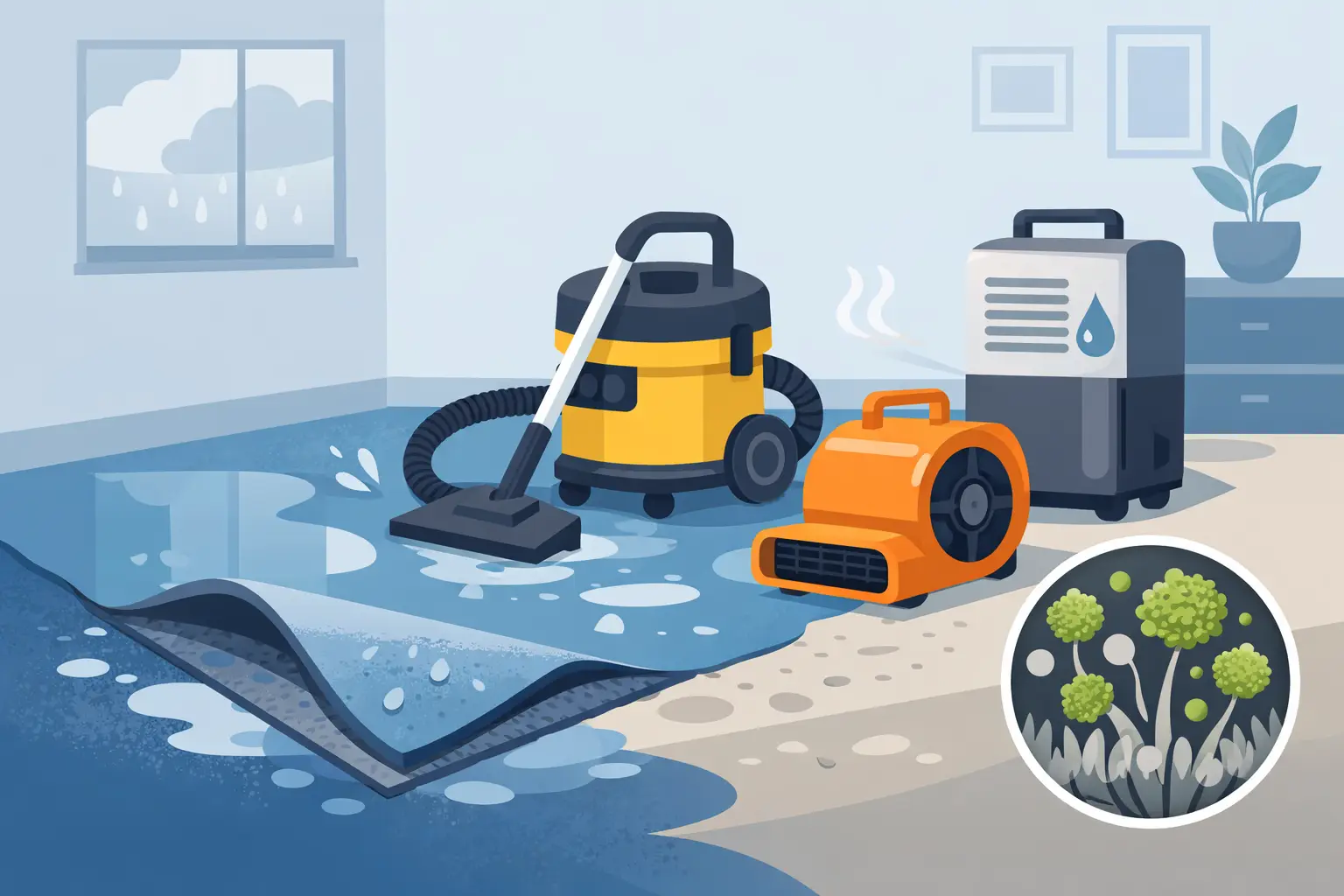
Small incidents can sometimes be managed with immediate homeowner action, especially if the water is clean and limited to a hard surface area. Wet vacuums, mops, towels, and air movement can help in the very early stage. If the water is confined to a bathroom floor from an overflow or a small appliance leak caught quickly, basic removal may be enough to prevent deeper damage.
That said, it depends on the surface and volume. Carpet, engineered flooring, laminate, and finished basements are less forgiving. Even a modest amount of water can reach hidden areas you cannot access with household tools. If the water covers a large section of flooring, has been present for more than a few hours, or involves ceiling leaks and wall saturation, professional extraction is usually the safer move.
When DIY stops being enough
A common mistake is judging the situation by what is visible. Standing water may be gone, but trapped moisture can remain in the flooring system, drywall, or framing. Another issue is equipment strength. Household fans move air, but they are not designed to pull moisture from dense materials at the speed commercial drying equipment can.
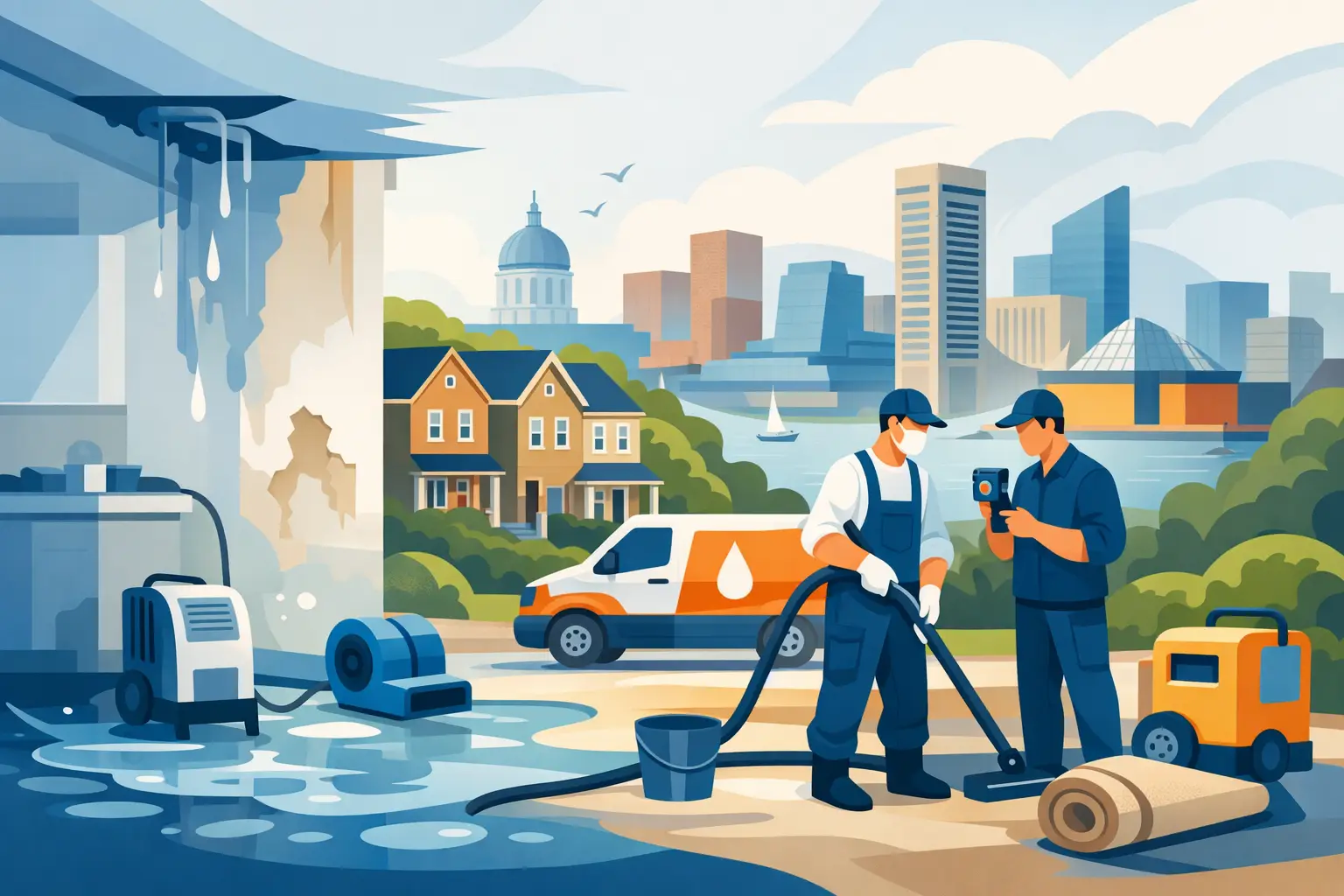
Professional emergency water extraction typically includes high-powered vacuums or truck-mounted extraction, moisture readings, targeted drying equipment, and a drying plan based on affected materials. That process is more controlled than simply pointing fans at a wet room and hoping for the best.
There is also the question of water category. Clean water from a supply line is one thing. Water from a washing machine overflow, sump issue, or outside intrusion can be a different risk level. Sewage backups are an immediate professional situation. The more contaminated the water, the less appropriate DIY cleanup becomes.
The most common sources of indoor water damage
In our area, emergency calls often start with a few familiar problems. Burst or frozen pipes are a major one in colder months. Water heater failures, refrigerator line leaks, washing machine hose breaks, toilet overflows, and heavy rain entering through foundation weak points are also common. Roof leaks can show up as ceiling staining first, then become a larger extraction and drying job if the water spreads into insulation or walls.
Property managers also deal with tenant-related events such as overflowing tubs, unattended sinks, or appliance malfunctions. In those cases, fast response is not just about cleanup. It is about limiting unit downtime, protecting adjacent spaces, and preserving tenant confidence.
Why speed matters so much
Water damage gets more expensive with time. In the first stage, you are dealing with visible water and wet materials. Soon after, flooring can swell, trim can separate, drywall can soften, and odors can begin to develop. If moisture remains trapped, repairs often expand from cleaning and drying into demolition and reconstruction.
That does not mean every water event becomes severe. Some are resolved cleanly with quick extraction and professional drying. But waiting introduces uncertainty. You lose the window where damage is easier to contain.
What a professional response should include
A reliable emergency water extraction service should do more than remove puddles. The process should begin with a clear inspection of affected rooms, likely migration paths, and material condition. Moisture detection matters because what you cannot see often drives the real scope of work.
From there, extraction should be thorough and matched to the type of flooring and the amount of water present. Drying equipment should be placed strategically, not randomly. Technicians should explain what is wet, what can likely be saved, what may need removal, and how long drying may take.
Communication is a big part of good service. In a stressful situation, homeowners and managers need honest answers, upfront expectations, and a team that shows up ready to move. That is where working with an established local company makes a difference. Superior Cleaning Solutions serves Baltimore County with fast scheduling, professional-grade equipment, and a practical focus on protecting the property while restoring clean, usable space.
Mistakes that make water damage worse
One mistake is delaying the call because the area looks only slightly wet. Another is using standard shop vacs or household fans without checking underneath materials. Homeowners also sometimes leave wet rugs, boxes, or furniture in place, which traps moisture and causes staining or transfer damage.
A different issue is assuming every surface can be saved. Some materials respond well to drying. Others break down quickly once saturated. The right choice depends on what got wet, how long it sat, and what type of water was involved. Saving everything is not always the safest or most cost-effective route.
Insurance and documentation
If you plan to file a claim, keep your documentation organized from the beginning. Photos, notes about when the loss started, and records of any immediate steps taken can help. If a plumber or other contractor identified the source, keep that information too.
Not every policy handles water damage the same way. Sudden and accidental events are often treated differently from long-term leaks or groundwater issues. That is why clear documentation and a prompt response matter. They help establish that the event was addressed responsibly and without avoidable delay.
Choosing the right local help
For homeowners and property managers, trust matters as much as equipment. You want a company that is responsive, transparent, and experienced enough to recognize when a job is straightforward and when it needs a broader restoration plan. Review history, communication, arrival time, and clarity around pricing all matter.
It also helps to work with a company that understands the full property picture. Water damage does not happen in isolation. Wet carpet, affected upholstery, hard surface flooring, and indoor air concerns can all connect. A provider with a broader cleaning and restoration background can often deliver a more coordinated solution.
How to be better prepared before the next emergency
The best time to prepare is before the next leak. Know where your main water shutoff is. Replace aging appliance hoses. Check water heaters for signs of wear. Keep valuables off basement floors. If you manage a property, make sure tenants know how to report a water issue immediately.
Those small steps do not prevent every emergency, but they can reduce the scope of damage and buy you valuable time.
When water shows up where it should not, the right response is fast, calm, and informed. Remove the source, protect what you can, and do not underestimate hidden moisture. A quick decision today can spare your home or building from a much bigger problem tomorrow.



Leave a Reply