
A failed supply line can soak a finished basement long before anyone notices it. A roof leak can quietly wet insulation, framing, and drywall after a Baltimore County storm. The most meaningful water damage restoration trends are focused on finding that hidden moisture faster, drying affected materials more precisely, and helping property owners make informed decisions before a small problem becomes a costly rebuild.
For homeowners, landlords, and light commercial property managers, the goal is not simply to remove visible water. It is to protect the structure, limit disruption, and return the space to a clean, dry condition with a clear plan from the start. Here is what is changing in professional restoration and what those changes mean when water enters your property.
Water Damage Restoration Trends That Matter Locally
The industry is moving away from a one-size-fits-all response. Every loss has different materials, moisture levels, contamination concerns, and access challenges. A clean-water overflow on a tile floor calls for a very different approach than a sewage backup in carpeted rooms or stormwater entering a commercial space.
The strongest trend is a more measured, documented restoration process. Instead of relying only on what looks wet, technicians use moisture readings, humidity conditions, and material assessments to decide where drying equipment is needed and when materials can safely stay in place. That can reduce unnecessary demolition while still addressing moisture that could otherwise lead to odors, staining, warped finishes, or microbial growth.
Fast response remains just as important. Water can move beneath flooring, behind baseboards, and into wall cavities quickly. The right equipment and a prompt inspection give property owners a better chance of preserving floors, drywall, trim, furniture, and other belongings.
Better Moisture Detection Finds What You Cannot See
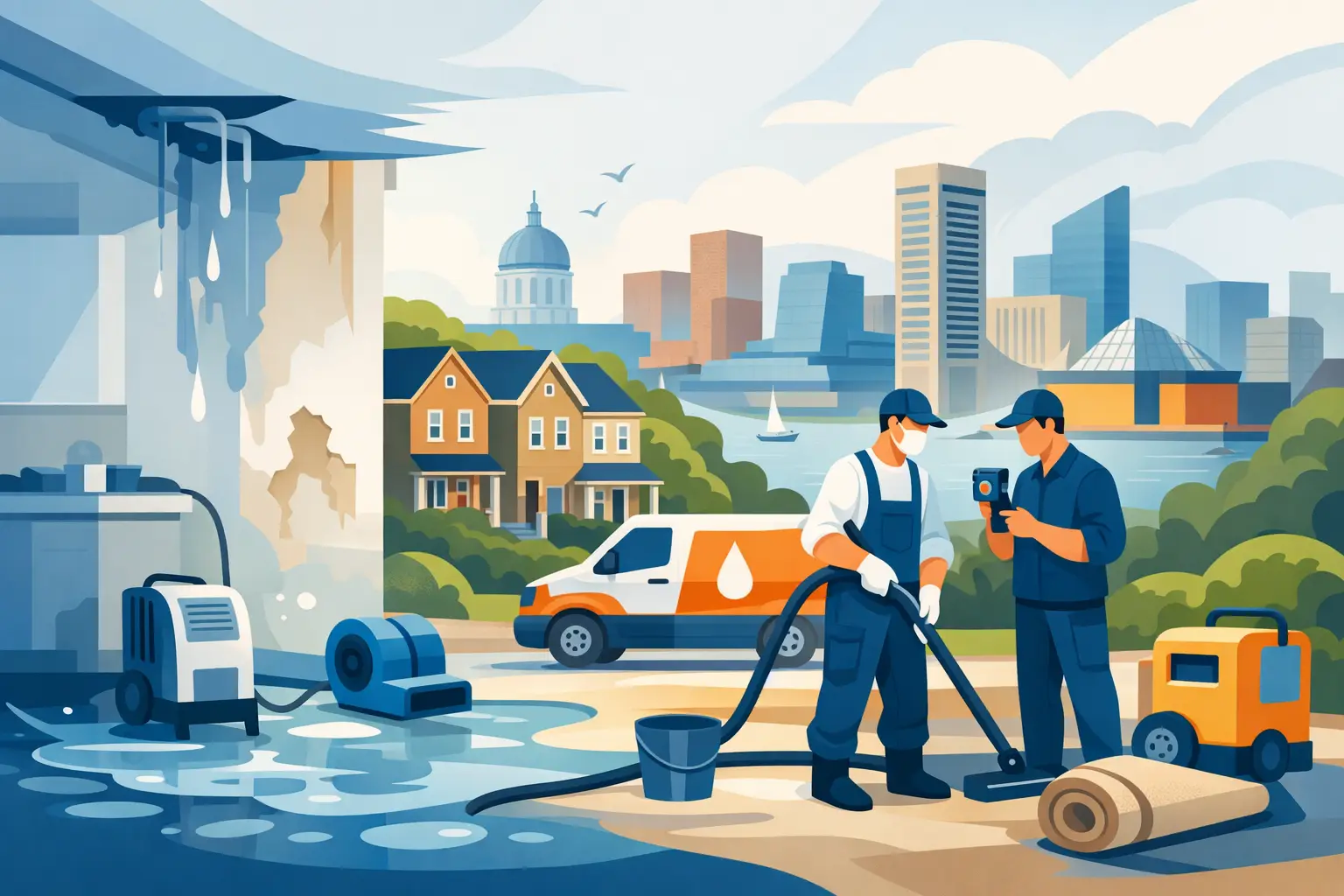
Visible puddles are only part of the story. Moisture meters, thermal imaging tools, and humidity monitoring are increasingly central to restoration work because water rarely stays where it first appears.
A thermal camera can help identify temperature differences that suggest moisture behind a wall or under flooring. A moisture meter then helps confirm whether a material is actually wet and how severely it is affected. These tools do not replace professional judgment, but they help crews target the affected area instead of guessing.
For a homeowner, that means fewer surprises later. It also creates a clearer record of the condition of walls, floors, and building materials at the beginning and throughout the drying process. In rental properties and commercial settings, that documentation can be especially useful when multiple parties need to understand the scope of the damage.
Targeted Drying Can Save More Materials
Not every wet surface has to be removed. One of the practical water damage restoration trends is using controlled drying techniques to preserve materials when they are clean, structurally sound, and capable of drying properly.
Commercial air movers, dehumidifiers, and air filtration equipment are selected based on the size of the affected space, the materials involved, and current moisture conditions. The process may include lifting carpet, drying beneath flooring, opening limited access points, or using specialized equipment to dry wall cavities. The correct method depends on the loss.
There are trade-offs. Saturated drywall, swollen laminate flooring, contaminated carpet padding, or materials exposed to sewage may need removal for health and structural reasons. Trying to save everything can delay the job and create bigger issues. A trustworthy restoration provider explains what can reasonably be dried, what should be removed, and why.
Cleaner Indoor Conditions Are Part of the Restoration Plan
Property owners are more aware of indoor air quality than they were a few years ago. That awareness has changed expectations after water damage. Drying the floor is not enough if damp materials, odors, or airborne particles remain in the affected area.
When conditions call for it, professional restoration may include air scrubbers with high-efficiency filtration, controlled containment, and cleaning of affected surfaces. These measures are particularly helpful when water has been present for more than a short period, when occupants are sensitive to odors or dust, or when the loss involves a contaminated water source.
The water category matters. Clean water from a broken pipe may be manageable if addressed quickly. Water from an appliance overflow can become more concerning as it sits and contacts dirty materials. Sewage backups and floodwater require greater caution because they can carry harmful contaminants. The safest process depends on where the water came from, how long it was present, and what it touched.
Documentation Is Becoming More Detailed
Restoration is increasingly data-driven. Photos, moisture readings, equipment logs, and daily progress notes help show that drying is moving in the right direction. This is useful for homeowners who want confidence that the work is thorough, and it can also support communication with insurers when a claim is involved.
Detailed documentation does not guarantee insurance coverage. Every policy, deductible, cause of loss, and claim decision is different. It does, however, give you a more organized record of what happened and what steps were taken to mitigate further damage.
If you plan to file a claim, contact your insurance carrier promptly and keep copies of estimates, invoices, photographs, and any claim correspondence. Do not wait for an adjuster before taking reasonable steps to prevent additional damage, such as stopping the water source or beginning emergency extraction. Your restoration provider can explain the work being recommended, but your insurer makes coverage decisions.
Prevention Is Now Part of Property Care
The best restoration job is the one you never need. Baltimore County properties face several common water risks: aging supply lines, failed water heaters, clogged gutters, roof wear, foundation drainage issues, frozen pipes, and appliance leaks. Preventive maintenance is becoming a bigger part of the conversation because many water losses start with a small, overlooked problem.
Gutter cleaning and exterior drainage matter more than curb appeal. When gutters overflow near the foundation or downspouts discharge too close to the home, water can work its way toward basements and crawl spaces. Roof maintenance also matters, especially after high winds or heavy rain. Indoors, checking appliance hoses, caulking around showers, monitoring under-sink cabinets, and knowing where the main water shutoff is located can prevent a minor leak from turning into an emergency.
For landlords and property managers, routine inspections between tenants are especially valuable. Look beneath sinks, around toilets, behind washing machines, near water heaters, and in utility rooms. Addressing soft flooring, recurring stains, musty odors, or peeling paint early is often far less expensive than repairing widespread water damage later.
What to Expect From a Modern Restoration Visit
A professional response should feel organized, not rushed or vague. The first priority is safety and stopping the source of water when possible. Electricity near standing water, contaminated water, ceiling sagging, and structural instability require added caution. If there is any question about safety, keep people and pets out of the affected area until it has been assessed.
After inspection, the restoration team should identify the source, evaluate affected materials, and explain the recommended work. That may include water extraction, removal of unsalvageable materials, targeted cleaning, drying equipment, monitoring visits, and final moisture verification. Ask for straightforward pricing and an explanation of what is included before work begins whenever the situation allows.
At Superior Cleaning Solutions, the focus is on providing Baltimore County property owners with responsive, professional service and practical guidance when water damage disrupts their home or business. The right plan should protect your property without pushing unnecessary work.
Questions Worth Asking Before You Hire
Ask whether the provider will document moisture levels, explain the water source and contamination category, and provide a clear drying plan. You should also ask how progress will be monitored, whether damaged materials can be saved, and what steps will be taken to protect unaffected rooms.
Availability matters in an emergency, but so does communication. A fast arrival is valuable only if the crew is equipped to assess the damage properly and keep you informed as the job moves forward. Look for a local company that answers directly, provides clear expectations, and treats your home or building with care.
When water shows up where it does not belong, act quickly, take photos, and avoid the temptation to cover up dampness with fans alone. A prompt professional assessment can turn an uncertain situation into a manageable repair plan and help keep your property clean, dry, and ready for what comes next.





Leave a Reply