
When your home seems dustier than it should, your allergies keep flaring up, and the air feels stale no matter how much you clean, it is fair to ask: can dirty air ducts cause allergies? In many homes, the answer is yes – or at least they can make allergy symptoms worse by circulating dust, pet dander, pollen, and other irritants through your living space.
That does not mean air ducts are always the main problem. Allergies indoors can come from several sources, including carpeting, upholstery, pets, humidity issues, and poor filtration. But when your HVAC system is pulling air through dirty ductwork and pushing it back into bedrooms, hallways, and living areas, those contaminants do not stay put. They keep moving.
Can dirty air ducts cause allergies or make them worse?
Dirty air ducts are not usually the original source of allergies, but they can absolutely contribute to the environment that triggers symptoms. If there is a buildup of dust, debris, pet hair, pollen, or even mold inside the duct system, your heating and cooling equipment can spread those particles throughout the property every time the system runs.
For homeowners in Baltimore County, this becomes especially noticeable during heavy AC use in the summer and during heating season when windows stay closed. Indoor air has fewer chances to refresh naturally, so contaminants can keep recirculating. If someone in the home deals with sneezing, congestion, itchy eyes, or throat irritation, dirty ductwork may be part of the issue.
The key point is that ducts can act like a distribution system. If pollutants collect inside them, the HVAC system can carry those irritants room to room. That is why cleaning the vents you can see is not always enough. The hidden parts of the system matter too.
What inside air ducts can trigger allergy symptoms?
Most homeowners are surprised by what can collect in ductwork over time. Standard household dust is the obvious one, but it is rarely just dust. It often includes skin flakes, fabric fibers, pet dander, pollen tracked in from outdoors, and fine debris that settles inside vents and returns.
In some cases, moisture adds another layer to the problem. If condensation forms in parts of the HVAC system or there is a humidity issue nearby, mold growth can become a concern. Mold spores are a common trigger for people with allergies and respiratory sensitivity. Even if the amount is not dramatic, repeated circulation through the system can make the home feel uncomfortable.
Older homes and recently renovated properties can also have extra buildup from construction dust, drywall particles, or insulation debris. If you have completed remodeling work and the ducts were not protected properly, that material may still be sitting in the system.
Signs your ductwork may be affecting indoor air quality
You do not need to see visible debris blowing from the vents for duct problems to affect comfort. Usually, the signs are more subtle. Maybe furniture gets dusty again right after cleaning. Maybe one room smells musty when the system kicks on. Maybe allergy symptoms improve when you leave the house and return once you are back inside.
Some homeowners also notice uneven airflow, vents with dark buildup around the covers, or a stale smell that seems tied to the HVAC system. These are not automatic proof that dirty ducts are the cause, but they are valid reasons to have the system inspected.
If anyone in the home has asthma, seasonal allergies, or sensitivity to dust and pet dander, those warning signs should not be ignored. Indoor air quality problems tend to build gradually, which is why many people get used to them before realizing something is off.
When dirty ducts are more likely to be a problem
There are a few situations where duct cleaning makes more sense than others. If you recently moved into a home and do not know the maintenance history, ductwork may contain years of buildup from prior owners. If you have pets, especially multiple pets, dander can collect faster. If there has been water damage, excess humidity, or suspected mold, the ducts deserve closer attention.
Homes with smokers, major renovations, or long gaps between HVAC maintenance also tend to have more contamination in the system. And if you are changing filters regularly but still seeing unusual dust levels, the problem may be deeper inside the ductwork.
What air duct cleaning can and cannot do
A professional duct cleaning can remove built-up debris from the system and reduce the amount of dust and allergens circulating through the air. For many homeowners, that means cleaner vents, less dust settling on surfaces, and a fresher feel throughout the house.
What it cannot do is cure allergies on its own. That part matters. If your symptoms are caused by several indoor triggers, cleaning the ducts is only one piece of the solution. You may also need better HVAC filters, humidity control, carpet cleaning, upholstery cleaning, or attention to mold and moisture sources.
This is why an honest service provider should not promise miracles. The right expectation is improvement, not magic. Cleaner ducts can support better indoor air quality, especially when paired with good home maintenance habits.
Why professional cleaning matters
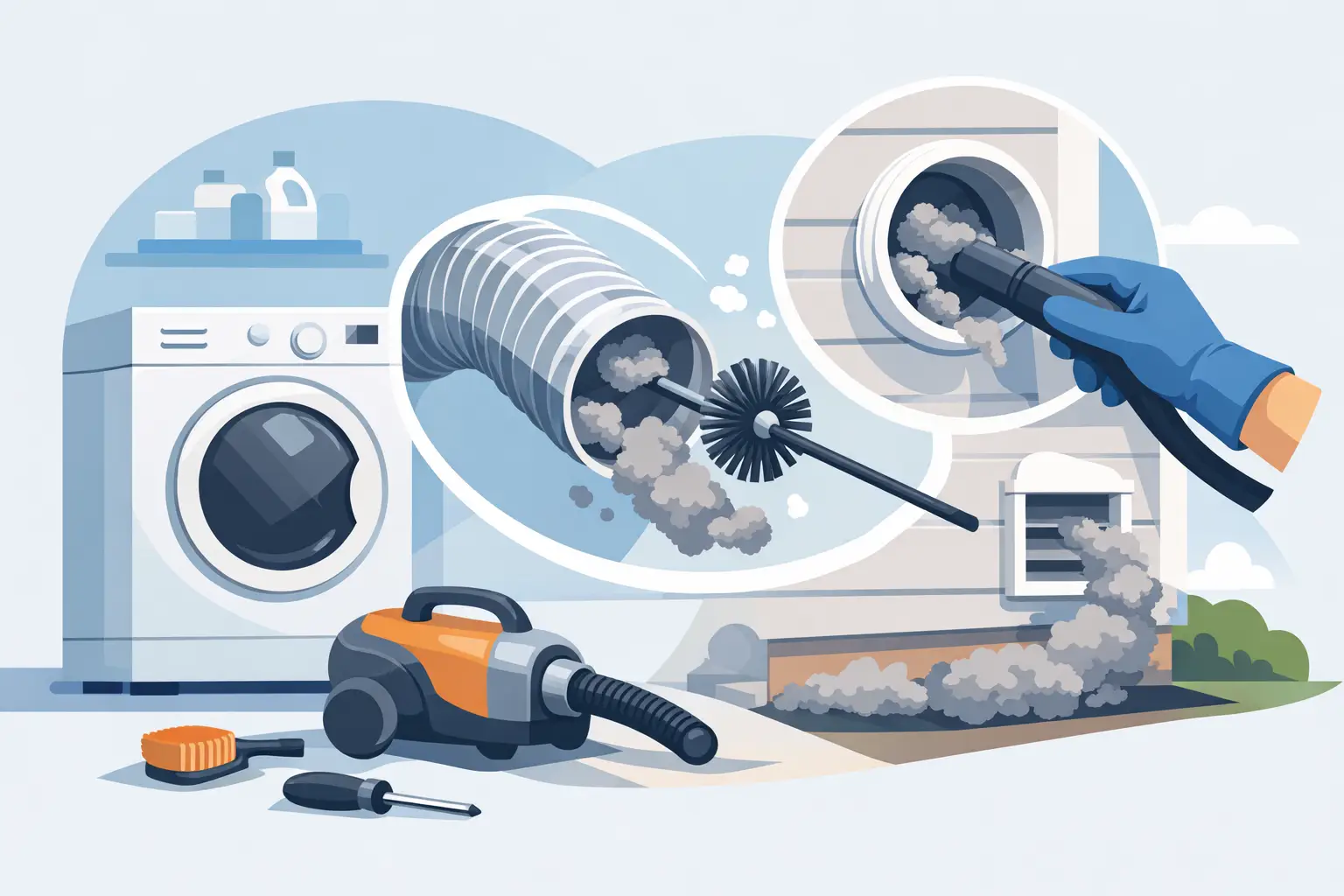
Duct cleaning is not a job for a basic household vacuum and a quick wipe around the vent covers. A proper cleaning involves accessing the system more thoroughly and using equipment designed to remove debris without simply stirring it up and sending it back into the home.
That matters because poor-quality cleaning can leave most of the buildup untouched. Worse, careless work can damage parts of the duct system or create a mess indoors. Homeowners who want real results should look for a trusted local company that explains the process clearly, provides upfront pricing, and treats the property with care.
For families and property managers, convenience matters too. Working with a company that already handles multiple cleaning services can make maintenance easier overall. If indoor air quality concerns are happening alongside dusty carpets, upholstered furniture, or post-renovation cleanup needs, it helps to have one dependable team that can address the full picture.
Can dirty air ducts cause allergies in every home?
Not every home with dirty ducts will cause noticeable allergy issues, and not every allergy issue points back to dirty ducts. That is where nuance matters. Some duct systems collect dust but do not circulate enough of it to create obvious symptoms. In other homes, the bigger problem may be high indoor humidity, an aging filter, pet-heavy upholstery, or neglected carpet.
Still, if your HVAC system is moving contaminated air through the house every day, it is reasonable to treat ductwork as part of the problem. The more sensitive the occupants are, the more likely they are to feel the effects.
In practical terms, duct cleaning makes the most sense when there is visible buildup, recurring dust, musty odors, a recent renovation, suspected mold, pet-related debris, or ongoing indoor allergy complaints with no clear explanation. Those are not fringe cases. They are common situations in active family homes and rental properties across the Baltimore area.
A smarter approach to cleaner indoor air
The best results usually come from looking at the whole indoor environment, not just one service in isolation. Clean ducts help, but so do clean carpets, clean upholstery, fresh filters, controlled humidity, and routine HVAC maintenance. If one part of the home keeps reintroducing dust and allergens, the gains from another service may be limited.
That is why many property owners take a broader maintenance approach instead of waiting until the problem becomes obvious. A cleaner home generally supports cleaner air, and that translates to better comfort for your family, guests, tenants, or employees.
If you have been wondering whether your ductwork is contributing to sneezing, dust buildup, or stale indoor air, it is worth having it checked by a professional. Superior Cleaning Solutions helps homeowners and property managers in Baltimore County tackle indoor buildup with honest service, fast scheduling, and results you can see and feel. Sometimes the difference is not dramatic overnight, but cleaner air systems often make a home feel more comfortable in all the ways that matter day to day.
If the air in your home has not felt quite right lately, trust that instinct. Small indoor air issues have a way of becoming bigger comfort problems when they are left alone.





Leave a Reply