
That green film on your siding, the black streaks on the roof, and the grime built up on your concrete are not all the same problem – and they should not be cleaned the same way. When homeowners compare pressure washing vs soft washing, the real question is not which one is better overall. It is which one is right for the surface you want cleaned, the type of buildup you have, and the results you want without causing damage.
At Superior Cleaning Solutions, we see this confusion all the time across Baltimore County. A lot of property owners assume more pressure means a better clean. In reality, using the wrong method can strip paint, scar wood, loosen shingles, force water behind siding, or simply fail to treat the root of the problem. The right approach protects your home while delivering the like-new results you actually want.
Pressure washing vs soft washing: what is the difference?
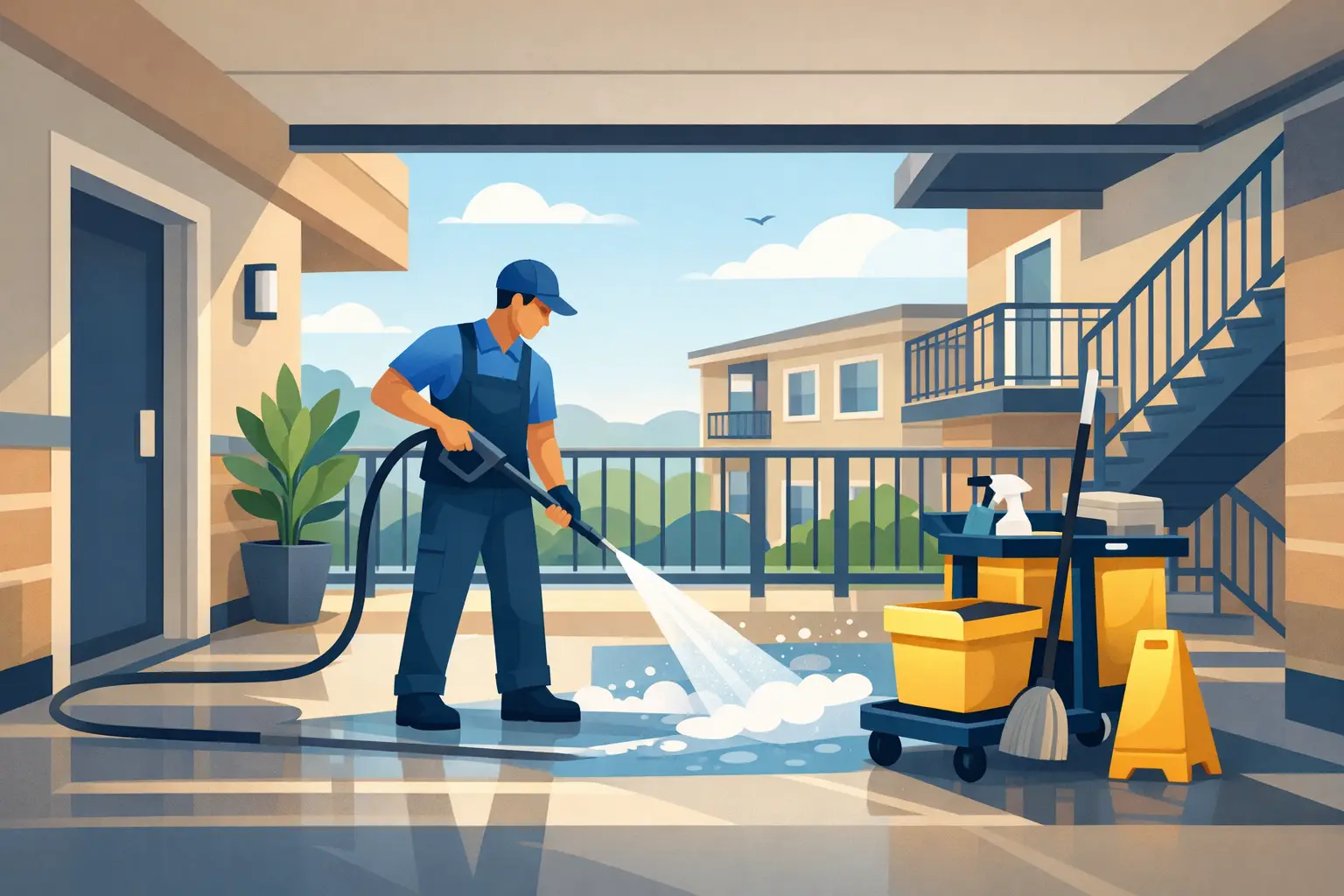
Pressure washing uses a strong stream of water to remove dirt, mud, algae, surface stains, and buildup from hard, durable materials. It is a mechanical cleaning method. The force of the water does most of the work.
Soft washing uses low-pressure water combined with professional cleaning solutions designed to break down mold, algae, mildew, bacteria, and organic staining. Instead of relying on force, it relies on treatment. That makes it a safer choice for more delicate exterior surfaces.
Both methods are professional tools. Neither one is the “cheap” version of the other, and neither should be used everywhere. The difference comes down to surface strength, stain type, and the risk of damage.
When pressure washing is the right choice
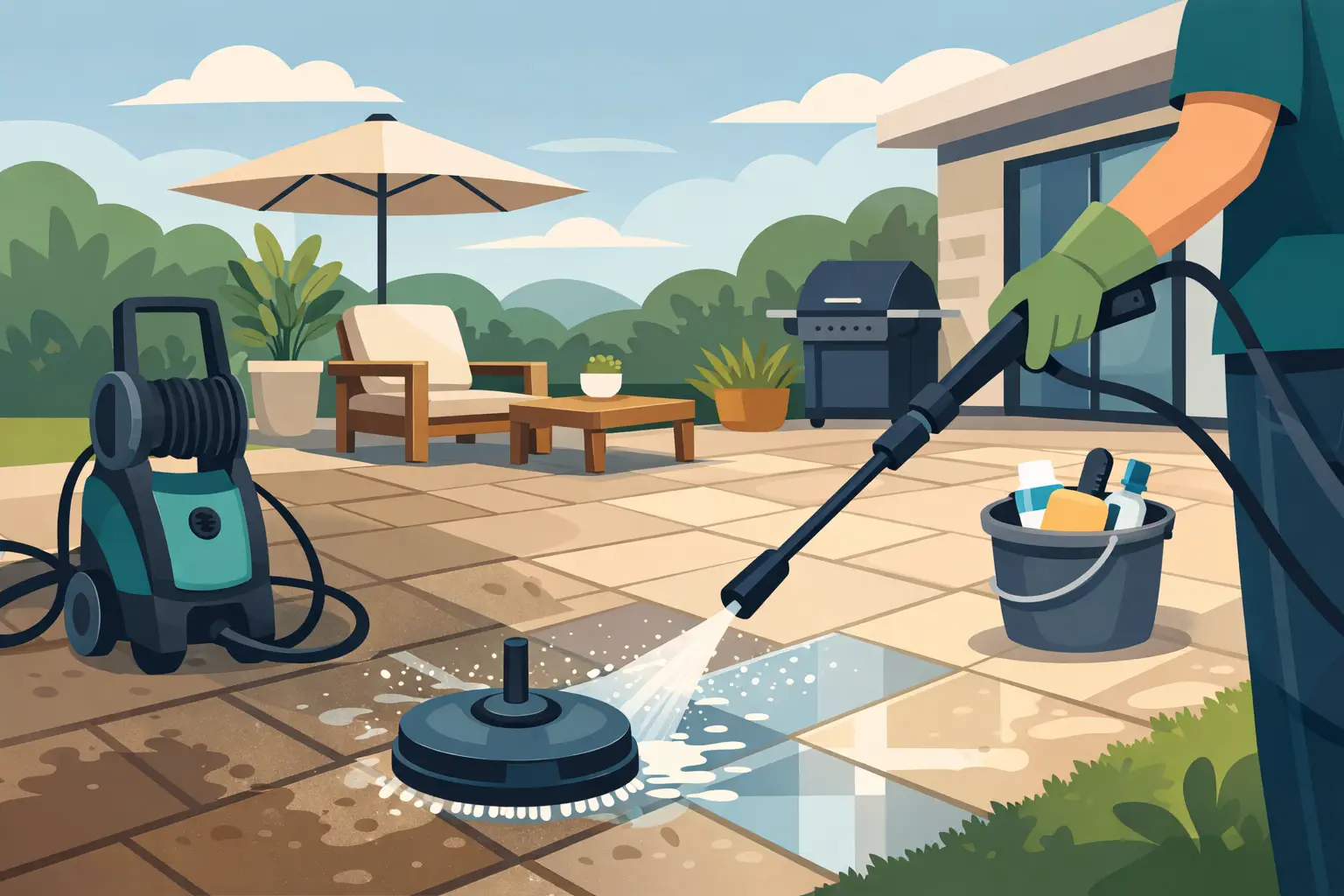
Pressure washing works best on strong surfaces that can handle a higher level of force. Think concrete driveways, sidewalks, some patios, certain masonry areas, and other durable hardscapes that hold up well under direct water pressure.
If you have caked-on dirt, surface grime, mud, salt residue, or stains embedded in concrete texture, pressure washing is often the fastest and most effective option. It can dramatically improve curb appeal, brighten neglected entryways, and restore the clean look of outdoor spaces that take constant foot traffic.
That said, even with concrete, pressure has to be controlled correctly. Too much force can leave lines, etch the surface, or damage older material. Professional equipment is powerful enough to clean efficiently, but it also needs an experienced hand behind it.
Surfaces that often benefit from pressure washing
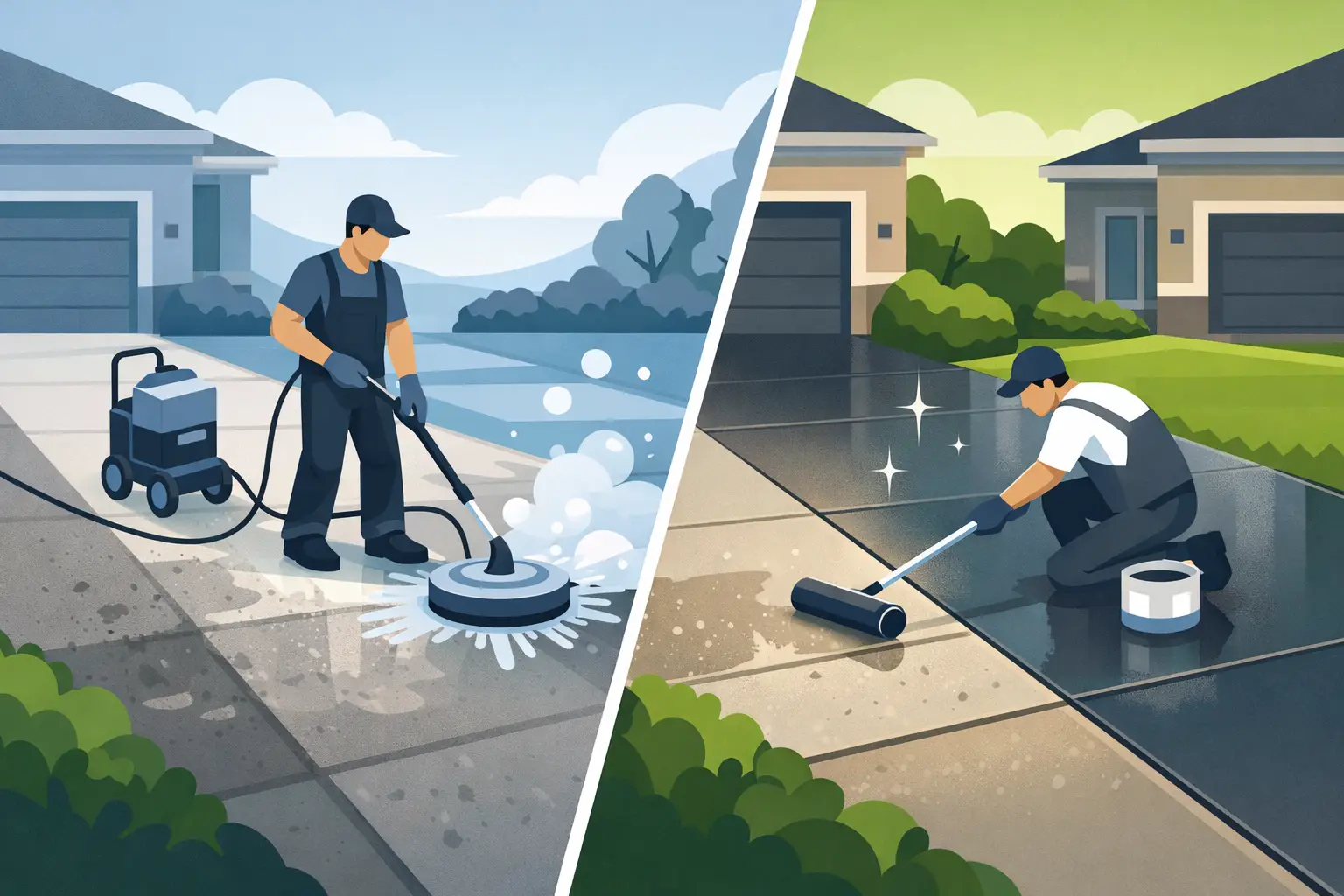
Concrete is the most common example, especially driveways, walkways, curbs, and parking areas. Some stone surfaces and heavily soiled hardscape features may also be good candidates. In commercial settings, pressure washing is often ideal for dumpster pads, loading zones, and other areas where grease, dirt, and traffic buildup are a constant issue.
Pressure washing can also help prepare certain surfaces for painting or sealing, but preparation cleaning requires care. The goal is to remove buildup without damaging the material underneath.
When soft washing is the safer and smarter option
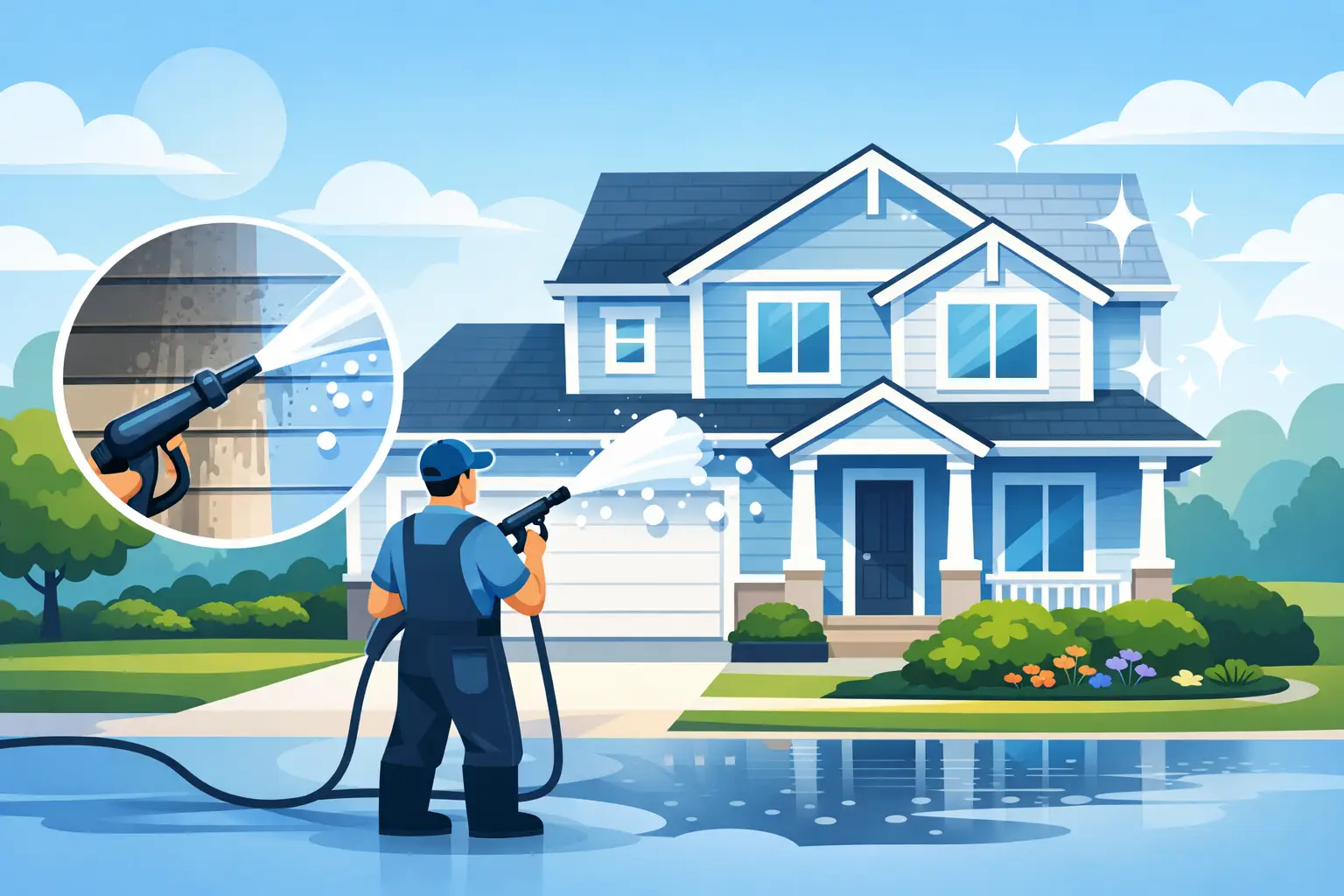
Soft washing is usually the better choice for siding, roofs, stucco, painted surfaces, screened enclosures, gutters, soffits, fences, and many types of decking. These materials can be cleaned thoroughly without exposing them to damaging force.
This matters because a lot of what homeowners want removed is organic growth, not just dirt. Mold, mildew, algae, lichen, and bacteria tend to cling to exterior surfaces and keep spreading if they are not treated properly. High pressure may blast away some visible staining, but it does not always kill the growth causing the problem. Soft washing is designed to clean and treat at the same time.
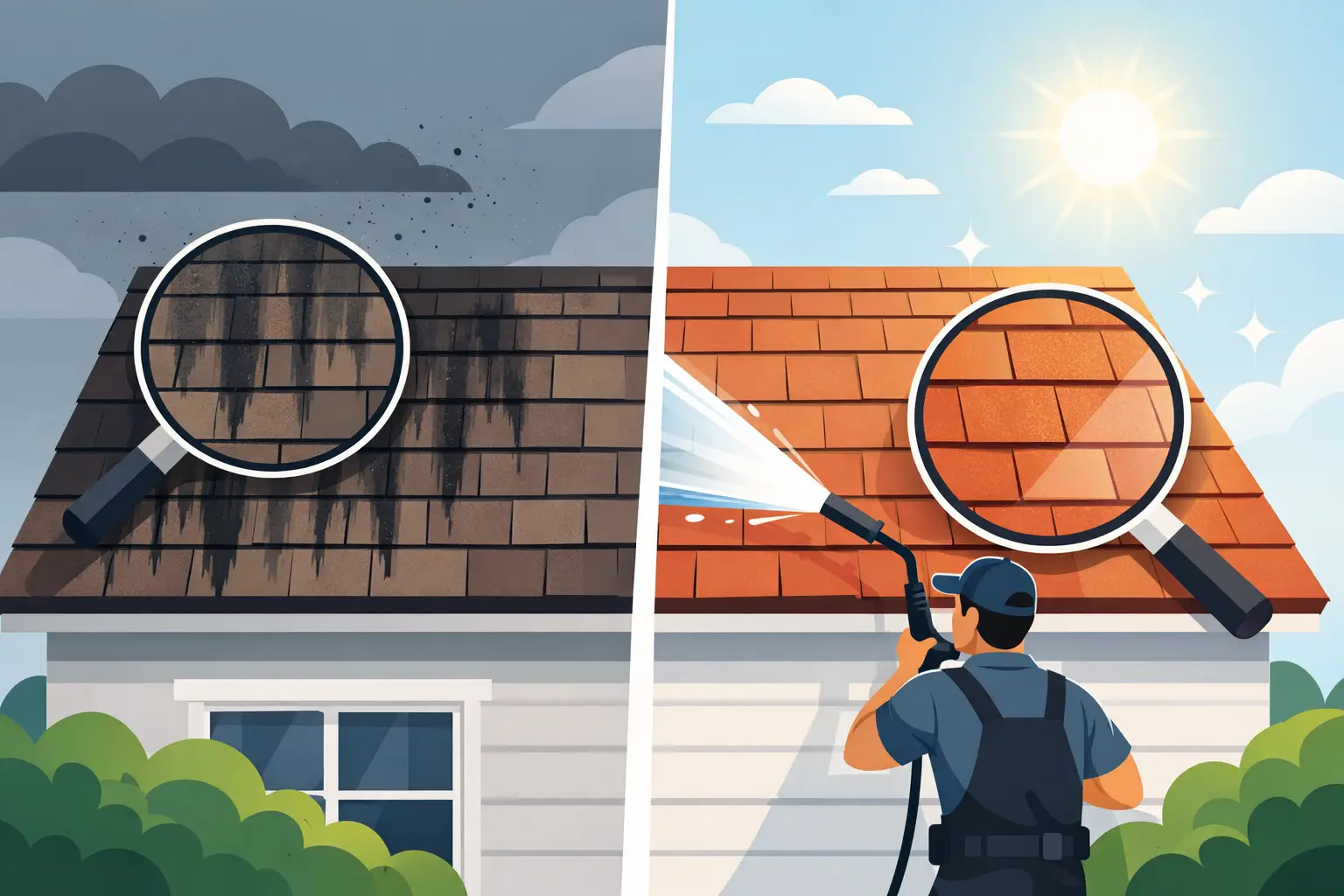
For example, black roof streaks are usually caused by algae. Trying to pressure wash a shingle roof can shorten its lifespan, loosen granules, and create expensive problems. Soft washing addresses the staining with the right cleaning solution and low-pressure application, which is why it is the preferred method for roof cleaning.
Why soft washing lasts longer in many cases
On surfaces affected by organic growth, soft washing often provides longer-lasting results because it does more than rinse off what you can see. It targets the source. That means slower regrowth, better overall cleanliness, and less chance of the same stains returning right away.
For homeowners in Baltimore County, where humidity and seasonal moisture can encourage mildew and algae growth, this is a practical advantage. A surface that looks clean for a week is not the same as a surface that stays cleaner longer.
The biggest mistake homeowners make
The most common mistake is assuming every outdoor stain can be fixed with more pressure. That is how vinyl siding gets cracked, wood gets furred up, mortar gets weakened, and water gets pushed into places it should never go.
Another issue is store-bought equipment. Consumer-grade pressure washers can still cause real damage, especially when used too close to the surface or with the wrong tip. And on the other side, some buildup will not come off with water alone no matter how long you spray it. If the staining is biological, the cleaning chemistry matters just as much as the rinse.
A professional assessment takes the guesswork out of it. The right technician looks at the surface, the age of the material, the level of buildup, and the safest way to restore it.
How to choose between pressure washing and soft washing
Start with the material itself. Hard, dense surfaces usually lean toward pressure washing. More delicate or finished surfaces usually lean toward soft washing. Then look at the stain. If it is dirt, mud, or heavy surface grime on concrete, pressure may be the answer. If it is algae, mildew, or black and green staining on siding or roofing, soft washing is likely the better fit.
Age also matters. Older wood, weathered paint, aging roofs, and surfaces with existing wear need a gentler approach. So do homes where protecting finishes and preventing water intrusion is a priority.
If you are managing a rental property or commercial building, the decision also comes down to appearance and liability. A cleaning method that improves the look of the property without risking damage is usually the better long-term investment, even if the stronger method sounds more aggressive.
Why professional washing gets better results
Professional exterior cleaning is not just about equipment. It is about matching water pressure, cleaning agents, dwell time, rinse technique, and surface type. That is where many DIY attempts fall short.
A trained crew knows when to use pressure and when to back off. They know how to clean around windows, landscaping, gutters, rooflines, and entryways without creating a new problem. They also know that different parts of the same property may need different methods. A house might need soft washing on the siding and gutter line, plus pressure washing on the driveway and front walk.
That kind of tailored approach is what delivers visible results while protecting property value. It is also more convenient for homeowners and property managers who want one trusted company to handle multiple exterior cleaning needs correctly.
Which method is better for curb appeal?
It depends on what is dragging down the appearance of your property. If your driveway is stained and your walkways look dull, pressure washing can make an immediate difference. If the house itself has green staining, dark streaks, or dingy siding, soft washing often creates the bigger transformation.
The best curb appeal results usually come from combining both methods where appropriate. Clean concrete stands out more when the siding is fresh. A bright exterior looks even better when the gutters, soffits, and roofline are cleaned properly too. The goal is not just to blast away dirt. It is to make the whole property look cared for.
Pressure washing vs soft washing for Baltimore County properties
Local weather plays a role in what your property needs. Moisture, pollen, shade, and seasonal buildup all affect exterior surfaces in this area. Homes with tree cover may see more algae and mildew. Busy commercial properties may deal with more traffic staining and grime on concrete. Waterfront or humid conditions can make organic growth more stubborn.
That is why there is no one-size-fits-all answer in the pressure washing vs soft washing conversation. The right cleaning plan is based on your surface materials, your environment, and the kind of staining your property is dealing with right now.
If you are looking at stains and buildup on your home or building, the smart move is not choosing the strongest method. It is choosing the safest one that gets the job done right the first time – so your property looks better, lasts longer, and stays protected.


Leave a Reply