
A washing machine hose fails, a basement drain backs up, or a pipe leaks behind a finished wall. In those first stressful hours, water extraction vs water restoration can sound like a technical distinction that does not matter. It does. Extraction is the urgent work of removing standing water. Restoration is the larger process of drying, cleaning, repairing, and returning the property to a safe, usable condition.
For Baltimore County homeowners and property managers, knowing the difference helps you act quickly, ask the right questions, and avoid leaving hidden moisture behind. Water that looks like a small cleanup can move beneath flooring, wick into drywall, soak insulation, and create conditions for mold growth before obvious damage appears.
What Is Water Extraction?
Water extraction is the immediate removal of unwanted water from a home or commercial property. The goal is simple: get liquid water out as quickly as possible to reduce how much material absorbs it.
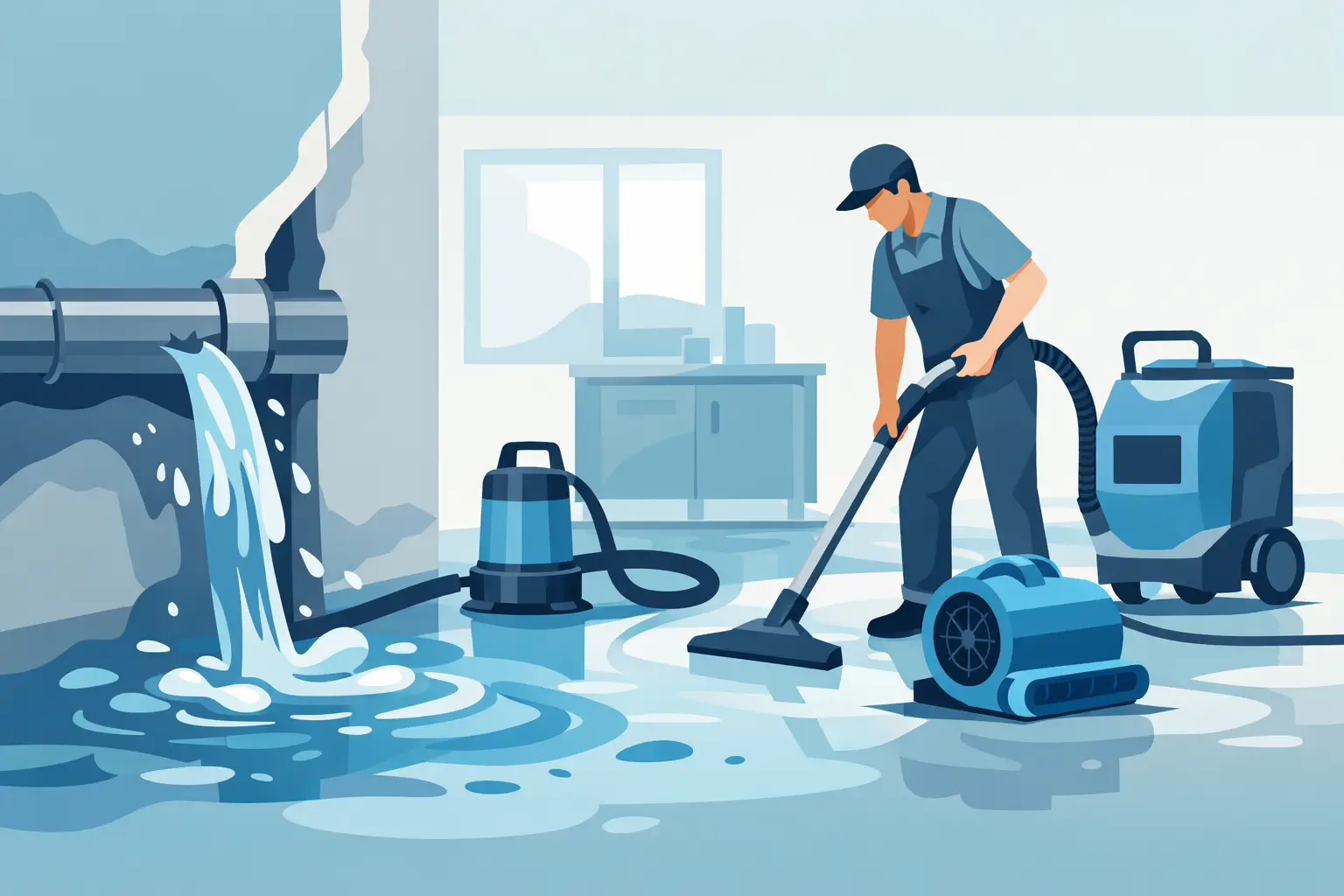
Professional extraction may involve high-powered truck-mounted or portable extractors, submersible pumps, wet vacuums, moisture meters, and specialized tools for carpet, pad, baseboards, and hard-to-reach areas. A technician may extract water from a basement floor, pull water from saturated carpet, or remove it from beneath vinyl or laminate flooring when conditions allow.
Speed has a real effect on the scope of damage. The longer water remains in contact with porous materials, the more likely those materials are to swell, delaminate, stain, or lose structural integrity. In a clean-water incident caught quickly, prompt extraction may save carpet, flooring, and parts of the affected room.
Extraction is not the same as making a surface look dry. A towel-dried floor can still have moisture trapped underneath it. Professional equipment removes far more water than household methods and gives the drying process a stronger start.
What Is Water Restoration?
Water restoration begins with extraction, but it goes much further. It is the complete effort to stabilize the affected area, dry it to an appropriate moisture level, clean and sanitize where needed, remove damaged materials, and repair the property.
Depending on the source and extent of the water, restoration can include setting air movers and dehumidifiers, monitoring moisture readings, treating affected surfaces, removing wet drywall or insulation, cleaning carpets and upholstery, repairing flooring, and rebuilding damaged sections of the property. The right plan depends on the materials involved, how long they were wet, and whether the water was clean, contaminated, or potentially hazardous.
For example, a small clean-water leak on a tile floor might need extraction, targeted drying, and moisture checks. A sewage backup in a finished basement is a different situation. Contaminated water may require removal of affected porous materials, detailed cleaning, sanitizing, and controlled restoration before the space is safe to use again.
Water Extraction vs Water Restoration: The Main Difference
The clearest way to understand water extraction vs water restoration is to think of extraction as the emergency water-removal phase and restoration as the full recovery process.
Extraction answers, “How do we get the water out now?” Restoration answers, “How do we make sure the property is dry, clean, safe, and back to its pre-loss condition?”
Both services are valuable, and neither should be treated as an optional add-on when moisture has traveled into building materials. Water extraction is often completed relatively quickly, especially when the affected area is small. Restoration can take days or longer because drying needs to be measured, materials need to be evaluated, and repairs may be necessary after the area is stabilized.
The trade-off is straightforward. Stopping after basic water removal can seem less disruptive in the moment, but it can leave moisture in subfloors, walls, or carpet padding. A complete restoration plan may involve more equipment and temporary inconvenience, yet it is designed to protect the building and reduce the chance of later odor, mold, or material failure.
What Happens During a Professional Water Damage Response?
A dependable response starts by identifying the source of the water and stopping it when possible. If a supply line is still leaking, extraction alone will not solve the problem. If water entered through a roof leak, foundation issue, or overflowing appliance, that source needs attention before the property can stay dry.
Next comes an inspection of visible and hidden moisture. Professionals use moisture-detection tools to check flooring edges, wall sections, carpet, trim, and nearby rooms. Water follows gravity, but it can also travel laterally beneath floors and behind walls. The wettest spot is not always the only affected spot.
Then comes extraction and controlled drying. Air movers increase evaporation from wet materials, while dehumidifiers pull that moisture from the air. Proper placement matters. Too little drying equipment can extend the process, while unplanned drying without monitoring can miss concealed moisture or create unnecessary disruption.
The final phase is cleaning, repairs, and verification. A restoration provider should monitor moisture conditions throughout the job rather than remove equipment based only on how dry surfaces feel. When materials cannot be dried or cleaned safely, they may need to be removed and replaced.
Why Water Type Changes the Restoration Plan
Not all water damage should be handled the same way. Clean water from a broken supply line is generally less hazardous at the start, although it can become more contaminated if it sits for too long. Water from a washing machine overflow can also be relatively clean, depending on what it contacted.
Gray water may contain contaminants from appliances, sinks, or other sources. Black water, such as sewage or outside floodwater, can carry harmful bacteria and other hazards. In these cases, do not attempt a casual cleanup with household fans and a shop vacuum. Avoid contact, keep children and pets out of the area, and bring in a qualified restoration team that can evaluate the affected materials and sanitation needs.
This is why a homeowner should not judge the situation only by the amount of water on the floor. A few inches of contaminated water can require more intensive restoration than a much larger clean-water spill caught immediately.
When Can You Handle It Yourself?
A small, contained spill on a hard, nonporous surface may be manageable with prompt cleanup and ventilation. If a single glass of water spills on tile and you can fully dry it immediately, a professional response is usually not necessary.
Call for professional help when water has soaked carpet or padding, entered walls or ceilings, reached wood flooring, spread across multiple rooms, or come from a drain, toilet overflow, sewage line, or outdoor flooding. You should also act quickly if you smell a musty odor, see bubbling paint or warped materials, or discover water after it has been sitting for an unknown period.
For landlords and property managers, a documented professional assessment can be especially useful. It creates a clearer record of the initial condition, moisture readings, drying work, and recommended repairs, which can help guide decisions with tenants, maintenance teams, and insurance carriers.
Common Questions About Extraction and Restoration
How long does water restoration take?
Drying often takes several days, but the full timeline depends on the size of the loss, material saturation, humidity, and whether reconstruction is required. Clean water caught early may be resolved quickly. Extensive damage behind walls or under flooring can take longer.
Will fans dry out a wet basement?
Household fans can help with minor surface moisture, but they are not a substitute for professional extraction and dehumidification after a significant water event. They may circulate humid air without removing enough moisture from building materials.
Can wet carpet be saved?
Sometimes. Carpet is more likely to be saved when the water is clean, the incident is addressed promptly, and the padding and subfloor can be properly dried. Contaminated water or prolonged saturation may require removal for health and safety reasons.
Act Before a Small Water Problem Grows
The best time to address water damage is before a damp floor becomes a warped subfloor, stained ceiling, or musty basement. If water has entered your Baltimore County home or light commercial property, prioritize stopping the source, protecting people from hazards, and getting a professional assessment as soon as possible.
Superior Cleaning Solutions helps property owners move from immediate extraction to a cleaner, drier, restored space with responsive service and practical guidance. A fast call can protect more of what you already own and give you a clearer path forward.



Leave a Reply