
A soaked carpet can look manageable at first, then turn into a costly problem beneath your feet. Knowing how to dry wet carpet quickly protects more than the carpet fibers. It can help prevent lingering odors, mold growth, damaged padding, stained baseboards, and moisture that reaches the subfloor.
For Baltimore County homeowners and property managers, speed matters. A small plumbing leak, overflowing tub, wet basement, or storm-related intrusion can spread farther than expected, especially when carpet padding holds water underneath the surface. The right response depends on the source of the water, how long it has been sitting, and how much of the room is affected.
Start by Stopping the Water Source
Before working on the carpet, make sure the water has stopped. Shut off the supply valve for a leaking appliance or plumbing fixture, move items away from the wet area, and place a bucket under an active drip if it is safe to do so. If the water is coming from a roof leak or outside flooding, keep people away from electrical hazards and avoid standing water near outlets, cords, or appliances.
Do not assume every wet carpet can be treated as a simple cleanup. Clean water from a supply line or an overflowing sink may be recoverable if addressed promptly. Water from a backed-up drain, sewage line, toilet overflow with waste, outdoor flooding, or a suspected contaminated source requires professional water damage restoration. That water can carry bacteria and other contaminants that should not be handled with household equipment.
How to Dry Wet Carpet Quickly and Safely
The first 24 to 48 hours are the critical window. Mold can begin growing in damp materials surprisingly fast, and carpet padding is especially prone to holding moisture long after the visible surface feels dry.
Remove Furniture and Wet Belongings
Move lightweight furniture, rugs, boxes, and personal items off the carpet as soon as possible. If a heavy piece cannot be moved, place foil, plastic blocks, or waterproof furniture tabs under its legs to limit staining and prevent wood finishes from transferring onto the carpet.
Take wet books, textiles, and cardboard out of the room. Cardboard boxes and fabric storage bins can trap moisture against the floor, making drying harder and increasing the chance of odors. Open closet doors, remove items from the floor, and check nearby rooms if water may have traveled under thresholds or walls.
Extract Water Instead of Just Blotting
Towels can help with a small spill, but they are not enough for a soaked room. Use a wet/dry vacuum to remove as much water as possible from the carpet surface. Make slow, overlapping passes and empty the vacuum frequently so it continues pulling water effectively.
Avoid using a standard household vacuum, which is not designed for liquid pickup and can create an electrical hazard. For a large saturated area, professional extraction equipment is far more effective than rental machines or towels. The more water removed at the beginning, the less drying time and damage you are dealing with later.
If water has soaked through to the pad, extracting the top of the carpet may not solve the problem. Padding acts like a sponge. In many significant water events, the padding needs to be lifted, dried with specialized equipment, or replaced to avoid trapped moisture and odor issues.
Increase Airflow and Lower Humidity
Once excess water is extracted, create as much controlled airflow as possible. Position fans so they blow across the carpet rather than straight down at one spot. Open interior doors to improve circulation, and use ceiling fans if it is safe to do so.
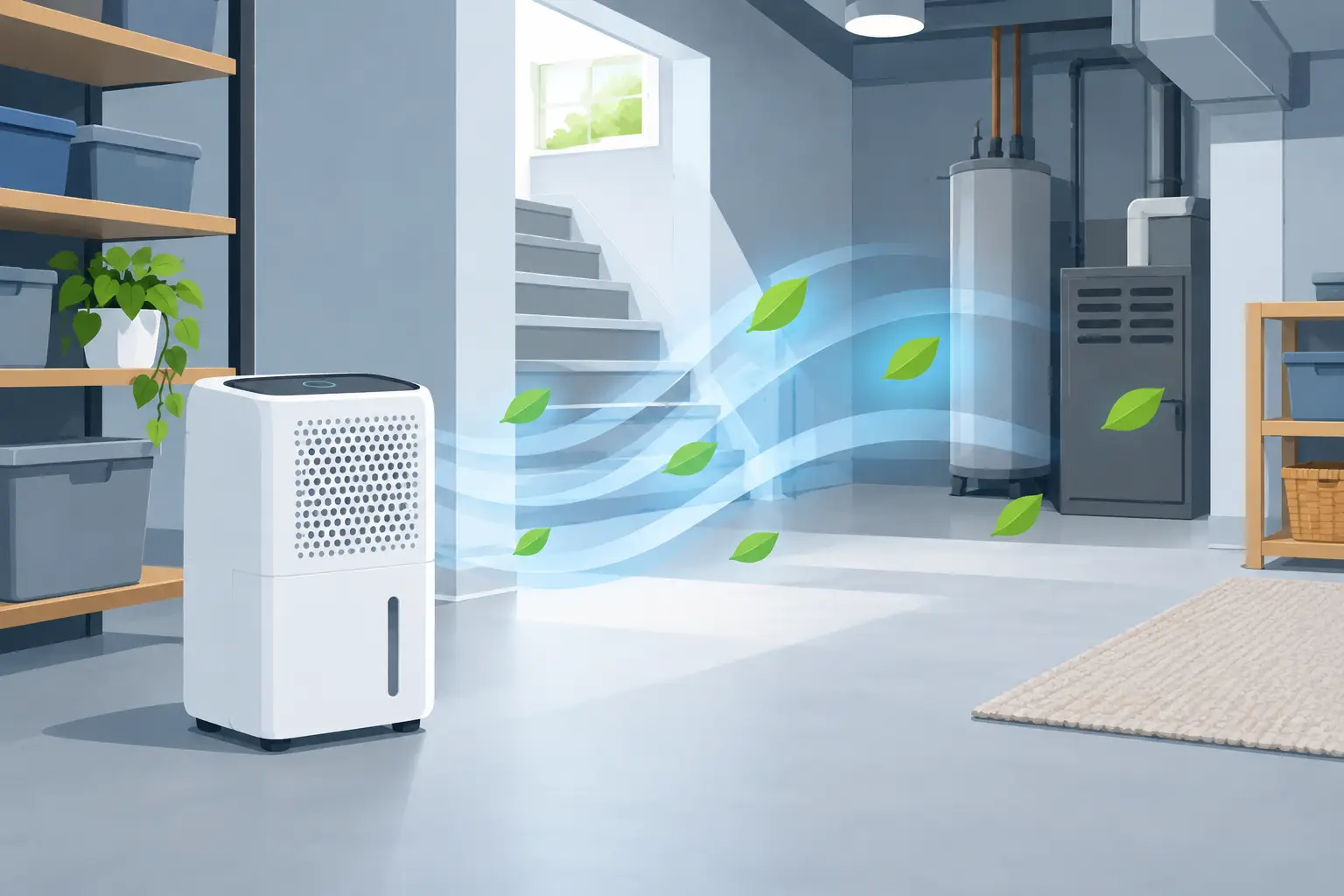
A dehumidifier is just as important as fans because it removes moisture from the air. Without dehumidification, water pulled from the carpet simply remains in the room and slows the process. In a humid Maryland summer or a damp basement, a single small household dehumidifier may not be enough for a heavily affected space.
Open windows only when the outdoor air is drier than the air inside. On a humid or rainy day, opening windows can introduce more moisture and make the carpet harder to dry. Air conditioning can also help lower indoor humidity while drying is underway.
Lift the Carpet When Water Has Reached the Pad
For a broad area of wet carpet, inspect the padding and the floor underneath. Professionals may carefully lift a corner of the carpet to assess the pad, tack strips, and subfloor. This is often necessary after a basement flood, appliance leak, or significant plumbing failure.
Be cautious about pulling carpet up yourself. Carpet edges can be difficult to reinstall correctly, tack strips are sharp, and wet materials can tear. If the carpet is installed over hardwood, laminate, or a wood subfloor, moisture below the carpet can cause warping, cupping, or structural damage that is not immediately visible.
Check Whether the Carpet Is Actually Dry
A carpet can feel dry on top while the pad and subfloor remain wet. That is why relying on touch alone can lead to mold, musty smells, and recurring stains. Check the edges of the affected area, press firmly on several spots with a dry towel, and look for dampness near baseboards, closets, and furniture legs.
Watch for warning signs over the next few days: a musty odor, dark spots, carpet that feels cool or damp, peeling baseboards, or humidity that remains high in the room. These are signs that hidden moisture may still be present.
Professional restoration teams use moisture meters and thermal imaging tools to identify moisture in carpet padding, drywall, trim, and subfloors. That level of assessment is especially valuable for property managers, landlords, and homeowners dealing with water that spread under walls or into multiple rooms.
When Drying Wet Carpet Is a DIY Job
A homeowner can often manage a small, clean-water spill if it is contained, caught immediately, and fully dried within a short period. For example, a knocked-over water glass, a small leak discovered right away, or a pet accident may only require prompt blotting, extraction, cleaning, and airflow.
The situation changes when the carpet is saturated, the water has been present for more than a day, or the source is unclear. It also makes sense to call for help when water has reached padding, drywall, insulation, hardwood flooring, or a finished basement. Trying to save money by delaying professional drying can lead to replacing carpet, trim, flooring, and portions of the wall later.
Call a Professional for These Water Damage Situations
Professional help is the safest choice when you are facing any of the following:
- Sewage backups, toilet overflows involving waste, or contaminated floodwater
- Water that has soaked a large section of carpet or traveled into more than one room
- A wet basement, especially one with finished walls, stored belongings, or insulation
- Water that has been sitting for 24 hours or longer
- A persistent musty smell, visible mold, or discoloration around walls and baseboards
- A leak from a roof, appliance, pipe, or HVAC system that may still be active
A trained restoration crew can extract water, assess hidden moisture, place commercial air movers and dehumidifiers, sanitize affected materials when appropriate, and document the damage for insurance purposes. This is not simply about making carpet look dry. It is about drying the entire affected assembly correctly.
Protect Your Home After the Carpet Is Dry
Once the area is dry, clean and disinfect as appropriate for the water source, then monitor the room for odors and changes in humidity. Do not rush furniture back onto the carpet until both the carpet and pad are confirmed dry. Replacing wet padding is often a smart preventive step after substantial saturation, even when the carpet itself can be saved.
Also take a moment to identify what caused the water problem. Inspect supply hoses, appliance connections, gutters, downspout drainage, sump pumps, and basement windows. A clean, dry home is easier to maintain when water has a reliable path away from the property.
When the water event is more than a small spill, fast professional action offers real peace of mind. Superior Cleaning Solutions helps Baltimore County property owners respond to wet carpet and water damage with the equipment, care, and prompt service needed to protect the spaces that matter most.





Leave a Reply