
A floor can look clean after a quick mop and still hold weeks of tracked-in grit, sticky residue, pet accidents, and dulling film. Professional floor cleaning reaches the soil that routine maintenance leaves behind, helping Baltimore County homeowners and property managers restore the clean, cared-for appearance their spaces deserve.
Hard floors take more daily abuse than almost any other surface in a home or business. Shoes bring in salt, moisture, pollen, and fine debris. Pets leave hair and oils. Kitchen spills leave residue that attracts more dirt. Over time, that buildup can make tile look cloudy, vinyl look worn, and grout lines look permanently discolored.
Why professional floor cleaning makes a visible difference
Mopping is valuable for regular upkeep, but it has limits. A mop can spread dirty water, push soil into grout lines, or leave behind a film from too much cleaning product. That is especially common on textured tile, luxury vinyl plank, and older hard surfaces with small scratches where dirt settles.
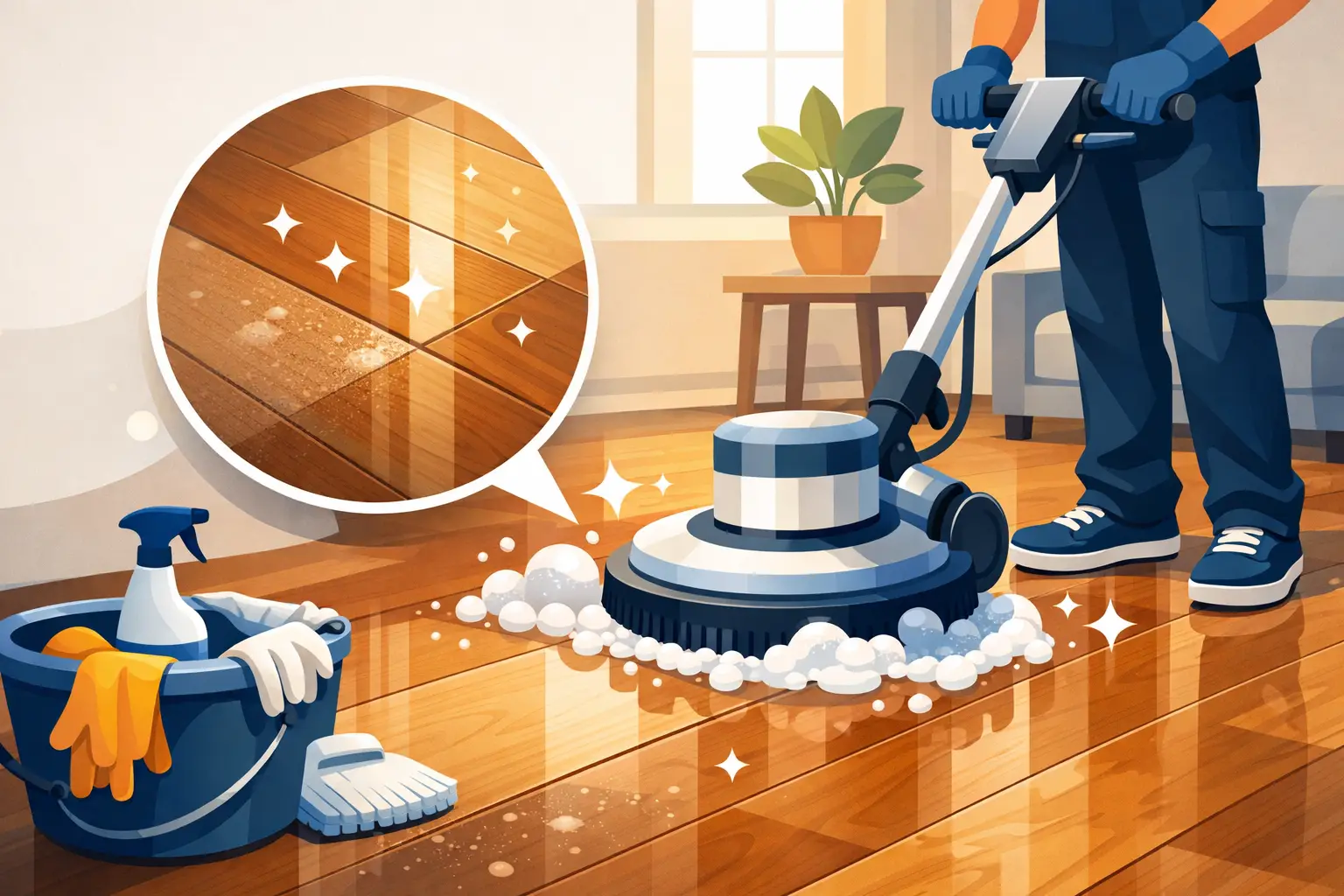
Professional equipment uses the right combination of cleaning solution, controlled agitation, and extraction to lift embedded soil instead of simply moving it around. The goal is not to soak the floor or use the strongest possible chemical. It is to match the cleaning method to the material, the finish, and the type of buildup present.
For homeowners, the difference is often most noticeable in kitchens, entryways, bathrooms, basements, and mudrooms. For property managers and business owners, cleaner floors support a better first impression for tenants, customers, and employees. Clean hard surfaces also make ongoing maintenance easier because there is less residue for new dirt to cling to.
Floor cleaning should match the surface
There is no one-size-fits-all approach to hard surface floor cleaning. Using the wrong tool or solution can leave streaks, damage a protective coating, force moisture into seams, or dull a finish. A careful assessment before work begins protects both the floor and your investment.
Tile and grout cleaning
Tile may be durable, but grout is porous. It absorbs moisture, cooking grease, soap residue, and tracked-in dirt, particularly in bathrooms, kitchens, and commercial entry areas. Light-colored grout can turn noticeably darker even when the tile itself still looks fairly clean.
Professional tile and grout cleaning targets those grout lines with appropriate solutions and agitation, then removes loosened soil through extraction. Results depend on the age of the grout, prior sealers, staining, and whether discoloration has become permanent. Deep cleaning can make a major improvement, but it cannot always reverse damage from years of harsh chemicals or neglected moisture issues.
Vinyl, LVP, and laminate floors
Luxury vinyl plank and laminate are popular because they offer the look of wood with practical durability. They still need a measured approach. Excess water can seep into joints, and abrasive pads or aggressive cleaners can damage the protective wear layer.
A professional service focuses on removing residue and soil without oversaturating the floor. This is particularly helpful when a floor feels tacky after mopping, has cloudy spots from product buildup, or has lost the clean look it had when installed. For laminate, surface condition and manufacturer guidance matter, so cleaning should always be adjusted accordingly.
Natural stone and specialty hard surfaces
Natural stone floors such as marble, travertine, slate, and limestone require extra care. Acidic or unsuitable cleaners can etch, stain, or permanently alter the surface. Stone may also need periodic sealing to help reduce absorption and make routine cleaning more manageable.
Before cleaning specialty flooring, a technician should identify the material and inspect for cracks, loose tile, worn finishes, and prior damage. The best method depends on the stone, its condition, and the desired result. This is one area where a bargain approach can become expensive if the wrong products are used.
Signs it is time to schedule floor cleaning
Hard floors do not need to look disastrous before they deserve attention. In many homes, professional service is most useful when regular sweeping and mopping no longer produce a fresh appearance. You may notice dark grout lines, a gray film in high-traffic areas, stubborn spots around appliances, or floors that look dull shortly after they are cleaned.
For rental properties, retail spaces, offices, and other light commercial settings, timing often depends on foot traffic. A busy lobby or storefront may benefit from more frequent professional care than a low-traffic office. Seasonal needs matter, too. Baltimore County winters can bring in salt and slush, while spring and summer often mean mud, pollen, and more outdoor activity.
If you are preparing to sell a home, welcoming new tenants, or recovering from a renovation, floor cleaning can make the property feel more finished. It is also a practical service after carpet removal, appliance replacement, or water-related incidents once the area has been properly assessed and dried.
What to expect from a professional service
A quality floor cleaning appointment should begin with a walkthrough. The technician should look at the surface type, traffic patterns, staining, grout condition, and any concerns such as loose tile or prior coating damage. Clear communication matters because not every dark spot is removable and not every floor can be restored to a brand-new condition.
After the right method is selected, the floor is prepared to remove loose debris. Cleaning solutions are applied as needed, followed by mechanical agitation or targeted work on problem areas. Professional extraction or controlled recovery removes soil and moisture, helping prevent the floor from being left overly wet.
Drying time varies by material, airflow, humidity, and the cleaning method used. Most hard surfaces can be used relatively soon, but it is wise to keep heavy foot traffic off the area until it is fully dry. A reputable provider should explain aftercare, point out any permanent wear, and give straightforward recommendations for maintaining the result.
Superior Cleaning Solutions provides hard surface floor cleaning with the same property-focused care customers expect from a trusted local cleaning partner. Whether the concern is grimy grout, a dull vinyl floor, or heavy traffic buildup in a commercial space, the right process can bring back a cleaner, brighter look without guesswork.
Keep floors cleaner between professional visits
The simplest habits have the biggest effect. Sweep or vacuum often enough to remove abrasive grit before it is ground into the surface. Place mats at exterior doors, especially in entryways where shoes bring in moisture and debris. Wipe spills promptly rather than allowing them to dry into a sticky film.
Use a cleaner designed for your specific floor type, and follow dilution directions carefully. More product is not better. Overusing cleaner is one of the main reasons floors become hazy, streaky, or sticky after routine mopping. When possible, change mop water frequently and avoid soaking seams, edges, and grout.
Furniture pads and felt protectors can also reduce scratches in dining rooms, offices, and living areas. These small steps will not eliminate the need for deep cleaning, but they can extend the time between appointments and help preserve the finish.
Common floor cleaning questions
Can professional cleaning remove all grout stains?
Not always. Embedded dirt, soap residue, and surface staining often respond very well to professional cleaning. However, permanent discoloration, mold damage, cracked grout, and previous chemical damage may require repair, color sealing, or replacement for a more complete change.
Is professional floor cleaning safe for pets and children?
When the correct products and procedures are used, professional cleaning is designed to be safe for occupied homes. Ask about the process, drying time, and any specific concerns related to pets, children, allergies, or sensitive surfaces before service begins.
How often should hard floors be professionally cleaned?
Most homes benefit from service every 12 to 18 months, although kitchens, homes with pets, and high-traffic entryways may need attention sooner. Commercial schedules depend on traffic volume, floor type, and the appearance standard of the property.
A clean floor changes how an entire room feels. If routine mopping is no longer delivering the result you want, a professional evaluation can help you choose a practical next step and protect the surfaces you use every day.




Leave a Reply