
A tile floor can look clean at first glance and still hold months of tracked-in soil, cooking residue, soap film, and moisture deep in its grout lines. That is why professional tile cleaning delivers a difference that routine mopping rarely can. For homeowners, landlords, and property managers in Baltimore County, a properly cleaned hard surface floor helps a kitchen, bath, entryway, or commercial space look cared for again.
Tile is durable, but it is not maintenance-free. Grout is especially vulnerable because its textured, porous surface catches dirt and absorbs spills. Once grime settles in, scrubbing with a household brush may lighten the stains without actually removing the buildup beneath the surface.
Why Tile and Grout Get Dirty So Quickly
Most tile surfaces collect a combination of dry soil and sticky residue. In a busy kitchen, grease particles settle onto the floor and hold onto dirt. In bathrooms, soap, body oils, hard-water minerals, and mildew can leave grout looking dark or discolored. Entryways face another challenge: Maryland rain, road salt, pollen, and mud get carried indoors by shoes and pets.
Mopping is still useful for regular upkeep, but too much water or the wrong cleaner can create problems. Dirty mop water can settle into grout lines, and cleaners that leave a residue may make floors feel dull or attract new soil faster. Bleach can brighten some stains temporarily, but frequent use may weaken grout or create uneven color, especially on older floors.
The result is often frustrating. The tile itself may still be in good condition, yet the floor looks worn because the grout has turned gray, brown, or nearly black. Professional service focuses on removing that embedded soil safely rather than covering it up.
What Professional Tile Cleaning Does Differently
Professional hard surface cleaning begins with an assessment of the tile type, grout condition, traffic level, and source of the staining. Ceramic and porcelain tile can often tolerate methods that natural stone, such as travertine, marble, or slate, cannot. Using the same chemical or pressure level on every floor is not a dependable approach.
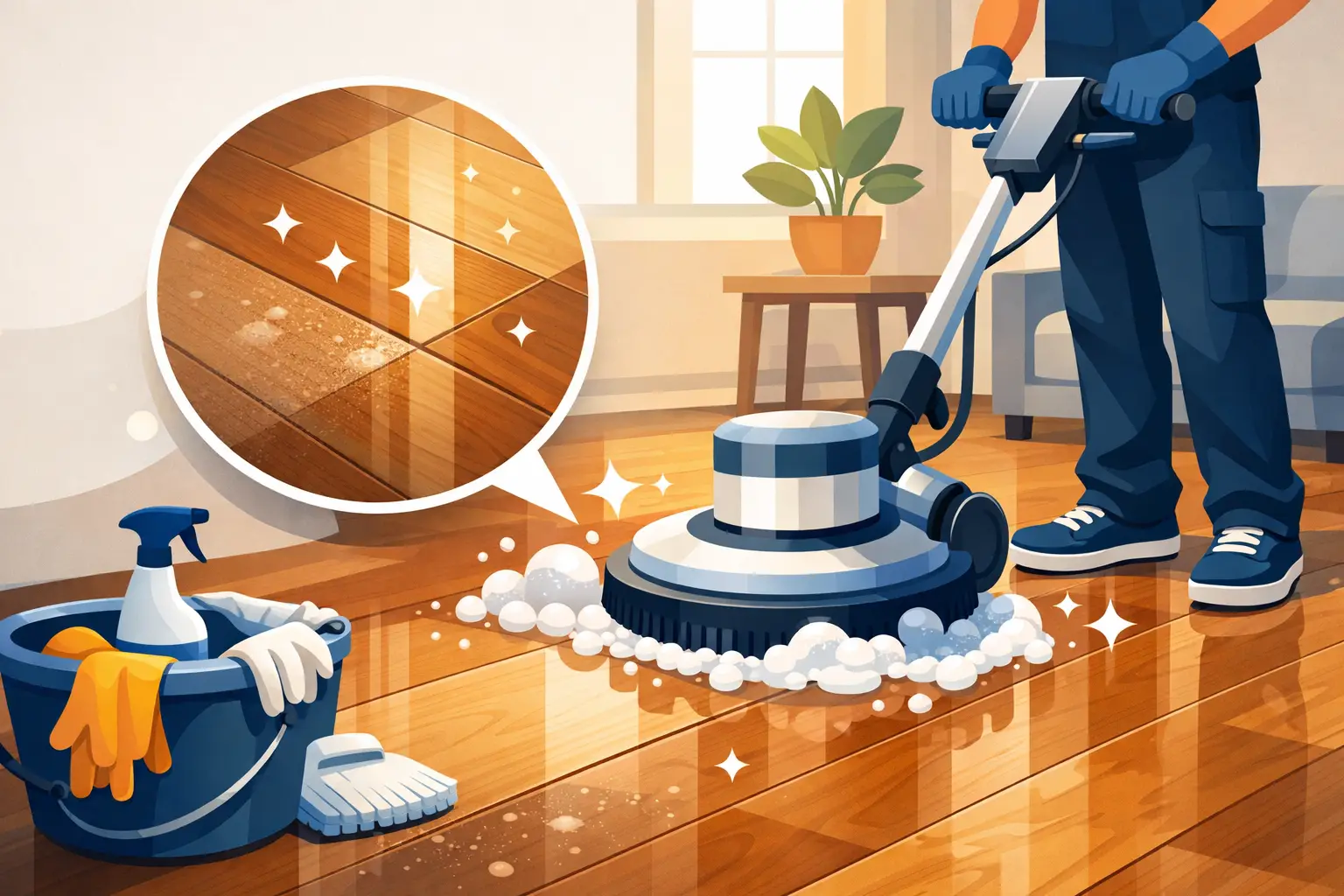
After selecting the right solution, a technician applies a targeted cleaner designed to break down oils, dirt, and mineral buildup. The floor is then agitated to loosen soil from the grout and tile texture. Professional equipment extracts the suspended grime rather than simply pushing it into another area of the floor.
That extraction step matters. It helps remove dirty water from the grout lines and leaves the surface far cleaner than a basic mop-and-bucket process. Depending on the condition of the floor, the visible improvement can be dramatic: grout lines look lighter, tile color appears more consistent, and the entire room feels fresher.
Superior Cleaning Solutions uses professional-grade equipment and cleaning methods tailored to the surface being cleaned. The goal is straightforward: give your floors a thorough, like-new appearance while treating your property with care.
Tile Cleaning Is Not the Same as Pressure Washing
High-pressure water is excellent for many exterior surfaces, but indoor tile requires a controlled process. Too much pressure can damage grout, force water beneath loose tile, or affect surrounding baseboards and fixtures. A qualified cleaning professional uses the appropriate tools and technique for the floor, not a one-size-fits-all method.
Natural stone requires even more caution. Acidic cleaners that may be used on certain ceramic tile stains can etch or dull marble, limestone, and other sensitive materials. If you are unsure what kind of tile you have, it is worth having the surface evaluated before trying a strong do-it-yourself product.
Signs Your Floor Is Ready for Tile Cleaning
A floor does not have to look terrible before scheduling service. In fact, cleaning before buildup becomes severe can make routine maintenance easier and help preserve the appearance of the grout.
You may benefit from professional tile and grout cleaning when grout stays dark after mopping, tile feels tacky or looks hazy, or a bathroom has persistent soap scum around the shower floor. Other common signs include mildew staining, pet-related odors around tiled areas, visible traffic paths in hallways, and a kitchen floor that never seems fully clean.
For rental properties and commercial spaces, professional cleaning can also be a practical turnover or presentation step. Clean floors make a stronger impression during showings, before move-in, or when preparing a business for customers. It is a relatively focused service with a noticeable impact on the overall appearance of the property.
How Often Should Tile and Grout Be Cleaned?
The right schedule depends on how the space is used. A lightly used guest bathroom may only need professional attention every 18 to 24 months. A main kitchen, mudroom, busy family bathroom, restaurant area, or commercial lobby may need service every 6 to 12 months.
Homes with pets, children, frequent entertaining, or residents who work outdoors tend to see faster soil buildup. So do properties with white or light-colored grout, which shows discoloration sooner than darker grout. Regular cleaning does not just improve appearance. It gives you a chance to identify loose grout, cracked tile, moisture concerns, or failed sealant before those issues become more involved repairs.
Protecting Results Between Professional Visits
Once tile and grout are thoroughly cleaned, simple habits can help keep them looking better longer. Dry sweep or vacuum grit regularly, especially near exterior doors. Use a neutral, manufacturer-approved floor cleaner instead of a heavy soap-based product, and change mop water often rather than cleaning an entire floor with dirty water.
Wipe spills quickly, particularly cooking oil, coffee, wine, and pet accidents. In bathrooms, improving ventilation and using a squeegee on shower walls can reduce moisture and soap buildup. Door mats at entrances are also helpful, but they need to be cleaned themselves or they will continue transferring dirt onto the floor.
Grout sealing may be recommended after cleaning when the grout is sound and appropriate for sealing. A quality sealer can reduce absorption and give you more time to wipe up spills, but it is not a permanent shield against dirt. High-traffic floors still need routine care, and improperly applied sealer can create its own residue issues. The best choice depends on the tile, grout, location, and condition of the surface.
Tile Cleaning for Homes and Businesses
Residential tile cleaning often centers on kitchens, bathrooms, foyers, laundry rooms, basements, and finished lower levels. These areas collect the daily evidence of a busy home, from muddy shoes to shower products and food spills. Restoring them can make a room feel cleaner without the cost and disruption of replacement.
For property managers and small business owners, clean tile supports a professional environment. Lobbies, restrooms, break rooms, retail floors, and common areas all influence how tenants, staff, customers, and prospective renters view the property. Scheduling dependable service at a convenient time helps limit disruption while protecting the condition of hard surface floors.
A full-property cleaning provider can also be useful when several areas need attention at once. Pairing floor care with carpet cleaning, upholstery cleaning, air duct cleaning, or exterior washing can simplify maintenance planning and reduce the need to coordinate multiple vendors.
Common Questions About Tile and Grout Cleaning
Will professional cleaning remove every grout stain?
Many stains respond very well to professional cleaning, especially soil, grease, soap residue, and surface mildew. However, permanent discoloration from damaged grout, dyes, rust, mold beneath the surface, or years of chemical misuse may not fully disappear. An honest assessment should set expectations before work begins. In some cases, grout repair, recoloring, or replacement is the better next step.
Is professional tile cleaning safe for pets and children?
When performed correctly, the process uses surface-appropriate solutions and thorough extraction. Ask about drying time and when the area can be used again. Keeping children and pets off the floor until it is dry is the simplest way to protect both the results and everyone in the home.
Can I just clean the grout myself?
You can maintain grout with regular, gentle cleaning, and small fresh spots may respond to a targeted product. The trade-off is time and consistency. Deeply embedded soil is difficult to remove by hand, and aggressive DIY chemicals or stiff tools can damage grout, tile finishes, or adjacent surfaces. Professional cleaning is often the more efficient choice for widespread staining or high-traffic floors.
A cleaner floor changes more than the look of a room. It makes daily maintenance easier, supports a well-kept property, and lets the original color and detail of your tile show through again. If your grout lines are telling a different story than the rest of your home or business, a professional evaluation can help you decide what those floors need next.




Leave a Reply