
A room can look perfectly clean and still have an odor that makes it feel uninviting. If you are asking, why does carpet smell, the answer is usually not the carpet fibers alone. Odors often come from what has settled below the surface: pet accidents, tracked-in moisture, old spills, dust, bacteria, or a damp carpet pad.
A scented spray may cover the problem for an afternoon, but lasting freshness requires finding the source and treating it correctly. For Baltimore County homeowners and property managers, prompt attention can also help protect carpet life, indoor comfort, and the appearance of the property.
Why Does Carpet Smell After Cleaning?
A carpet that smells worse after cleaning can be frustrating, especially when you expected a fresh result. In many cases, the cleaning process did not create the odor. It brought an existing issue closer to the surface.
Deep within older carpet, soil, pet residue, food particles, and oils can build up over time. When moisture reaches those deposits, the odor can become more noticeable. This is particularly common in high-traffic areas, homes with pets, and rental properties that have seen years of use.
Drying time matters, too. Carpet that stays damp too long can develop a musty smell because moisture creates favorable conditions for mildew and bacterial growth. Humid Maryland weather, limited airflow, heavily soiled carpet, and an overly wet cleaning method can all slow the drying process.
A properly cleaned carpet should generally dry within several hours, though heavy carpet, humid conditions, or extensive cleaning can take longer. Open windows when weather allows, run ceiling fans, use air conditioning or a dehumidifier, and keep pets and foot traffic off the carpet until it is fully dry.
The Most Common Causes of Carpet Odors
Pet Urine and Pet Dander
Pet accidents are one of the most persistent carpet odor problems. Even when the visible spot is gone, urine can soak through the carpet fibers and into the backing, pad, and sometimes the subfloor. As residue dries and later becomes humid, odor-causing compounds can reactivate.
Store-bought cleaners may help with a fresh, small accident, but they often cannot reach contamination beneath the carpet. Avoid using excessive water or steam on a urine spot without proper extraction. That can drive moisture deeper into the pad and spread the affected area.
Pet dander, body oils, and outdoor dirt also collect in carpet over time. A home can develop a general animal odor even without obvious accidents, especially in favorite sleeping areas and near entryways.
Spills, Food, and Everyday Soil
Coffee, milk, juice, grease, sauces, and other household spills can leave more than a stain. Organic material feeds odor-producing bacteria when it is not fully removed. A spot that seems dry and harmless can begin smelling sour days or weeks later.
Cooking odors can also settle into carpet, particularly in open-concept homes and apartments. Grease particles travel through the air, cling to fibers, and combine with dust. Regular vacuuming helps, but vacuuming alone does not remove oily residue embedded in the carpet.
Moisture, Mildew, and Water Damage
A musty carpet smell is a warning sign worth taking seriously. It may be caused by a small issue, such as a wet shoe area near a door, or something more significant, such as a slow plumbing leak, basement seepage, an overflowing appliance, or prior flooding.
Carpet and padding can retain moisture long after the surface feels dry. If the odor is strongest near walls, in a basement, around a bathroom, or after heavy rain, inspect for a moisture source. The problem may be under the carpet or behind a wall rather than in the fibers themselves.
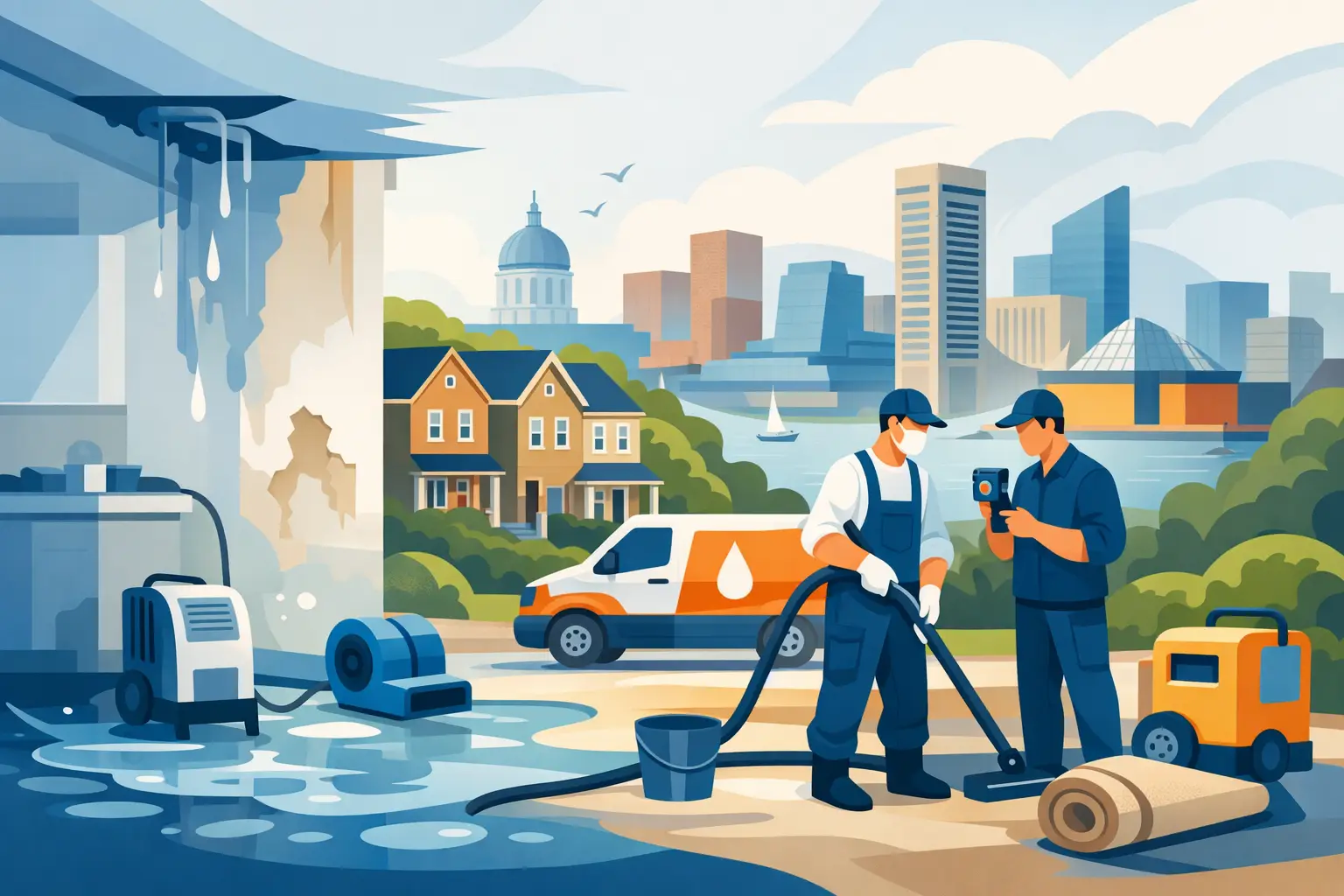
When water damage is involved, timing matters. Fast extraction, drying, and evaluation can limit odor, staining, and the potential for mold growth. If carpet has been saturated by contaminated water or has remained wet for an extended period, replacement may be safer than cleaning.
Smoke, Tobacco, and Strong Household Odors
Smoke odor can settle into every soft surface in a building, including carpet, upholstery, rugs, curtains, and air ducts. Tobacco smoke is especially stubborn because its residue is oily and adhesive. Candles, fireplaces, strong fragrances, and repeated cooking odors can create a similar lingering effect.
In these cases, carpet cleaning can make a major difference, but it may not solve the problem alone. If the odor has affected upholstery, ductwork, walls, or HVAC components, treating only the floor may leave the home smelling stale.
Dirty Carpet Padding or Subfloor
Sometimes the carpet is not the real problem. The padding underneath can hold urine, moisture, and old spills like a sponge. In more severe cases, the subfloor has absorbed the odor.
This is why a surface-level treatment occasionally produces disappointing results. Professional inspection can help determine whether deep extraction, specialized odor treatment, pad replacement, or subfloor sealing is the practical next step. The right solution depends on how far the contamination has traveled.
How to Get Rid of Carpet Smell Safely
Start by identifying where the smell is strongest. Walk through the room at different times of day, especially after the home has been closed up or humidity is high. Check around pet areas, furniture, doors, basement walls, and previous spill locations.
For light, general odors, vacuum thoroughly and slowly. Use a vacuum with strong suction and a clean filter or bag. Removing dry soil, hair, and dander is an essential first step because these particles trap odor and reduce the effectiveness of deeper cleaning.
For a recent spill, blot immediately with clean, absorbent towels. Do not scrub, as scrubbing can spread the spill and damage the carpet fibers. Use a carpet-safe cleaning product appropriate for the type of spill, and avoid mixing cleaners. Combining products can leave residue or create unsafe fumes.
Baking soda can help absorb mild surface odors. Apply a light, even layer, let it sit for several hours or overnight, then vacuum thoroughly. It is not a cure for soaked padding, urine contamination, mildew, or water damage, but it can be useful between professional cleanings.
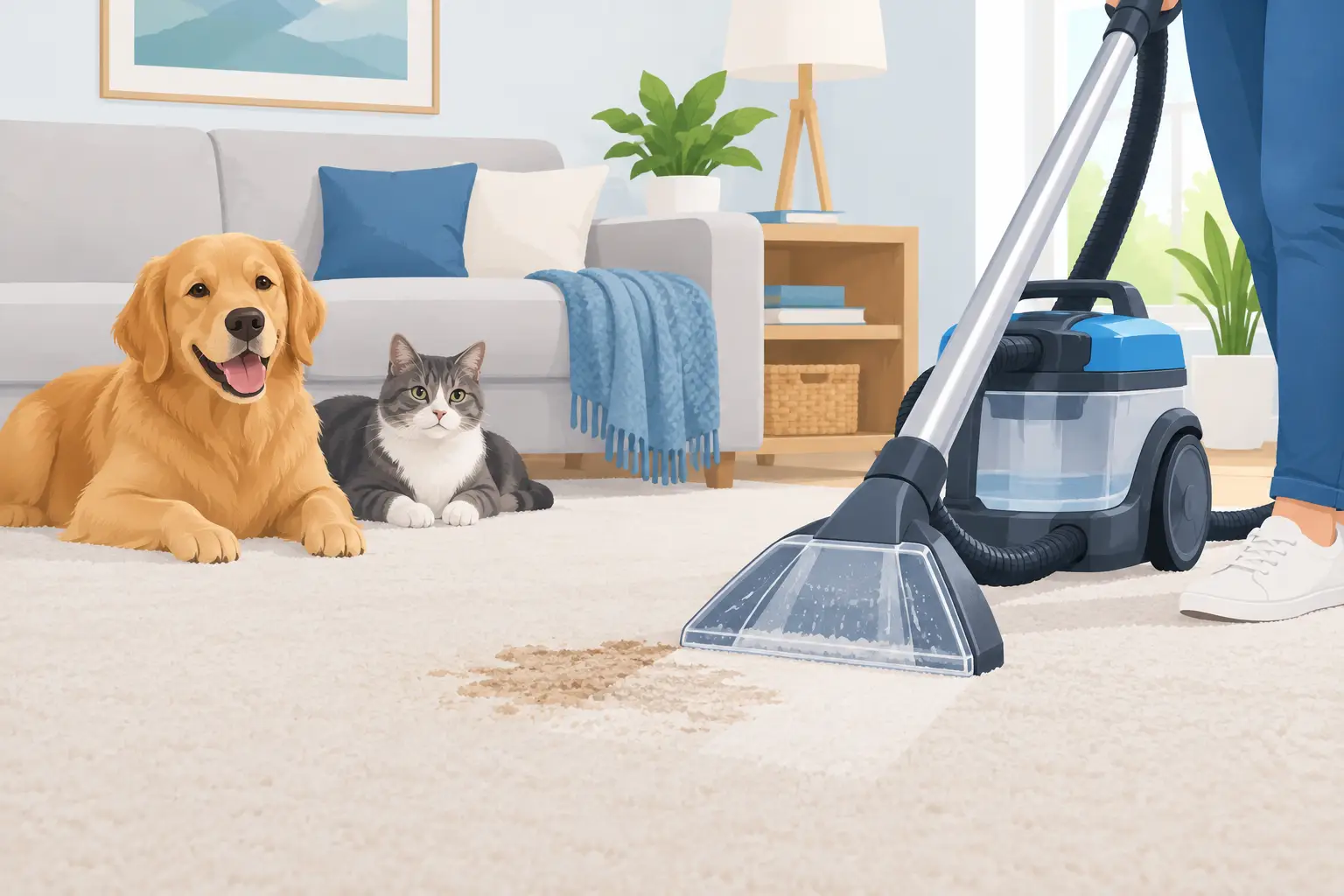
Be cautious with rental machines and heavy home shampooers. They can be effective for routine maintenance when used correctly, but over-wetting is a common issue. Too much solution, incomplete extraction, or failure to dry the carpet quickly can leave behind a damp, musty smell. They may also struggle with residue below the backing.
When Professional Carpet Cleaning Is the Better Answer
Professional carpet cleaning is a smart choice when odor returns after DIY treatment, when a pet accident is old or recurring, or when the entire room smells stale despite regular vacuuming. It is also the better route for move-outs, home sales, rental turnovers, and busy households that need dependable results without trial and error.
A professional team can use commercial-grade extraction equipment and targeted cleaning solutions to remove embedded soil and odor sources more effectively than surface treatments. For pet odor, technicians can assess whether the issue is limited to the carpet or has reached the pad and subfloor. That distinction prevents homeowners from paying for a cleaning that cannot fully address a deeper problem.
Superior Cleaning Solutions provides professional carpet cleaning for Baltimore County homes and light commercial properties, with upfront guidance on what the carpet needs and what results are realistic. Honest recommendations matter. Some carpets can be refreshed dramatically, while severe water damage, extensive urine contamination, or deteriorated padding may require restoration work beyond a standard cleaning.
How to Keep Carpet From Smelling Again
The best prevention is consistent maintenance before odors become embedded. Vacuum high-traffic areas at least once or twice a week, and address spills as soon as they happen. Place mats at exterior doors to reduce the dirt, moisture, salt, and debris tracked in from outside.
If you have pets, clean accidents promptly with an enzyme-based product designed for pet urine, and make sure the area dries completely. Wash pet bedding regularly, groom pets to reduce dander, and consider professional cleaning more often in rooms where pets spend the most time.
Keep indoor humidity under control, especially in basements and during humid summer months. A dehumidifier, properly maintained HVAC system, and quick attention to leaks can prevent the damp conditions that lead to musty carpet odors.
For most households, professional carpet cleaning every 12 to 18 months is a practical maintenance schedule. Homes with pets, children, allergies, high foot traffic, or rental turnover may benefit from more frequent service. Clean carpet is not only about appearance. It helps your home feel fresher, more comfortable, and ready for the people who live and gather there.
If an odor keeps returning, do not keep masking it with fragrance. A careful inspection and the right cleaning approach can get to the source, protect your flooring, and help your space feel like home again.




Leave a Reply