
Black roof streaks can make an otherwise well-kept Baltimore County home look neglected, but they are more than a curb-appeal issue. If you are asking when should a roof be washed, the right answer depends on what is growing or collecting on the surface, the age and material of the roof, and the conditions around your property. Waiting too long can allow algae, moss, and debris to hold moisture against shingles and shorten the roof’s usable life.
The Best Time to Wash a Roof
For most Maryland homes, roof cleaning is best scheduled when visible staining begins or when a professional inspection identifies organic growth. You do not need to wait until the whole roof appears dark. Treating early streaks is usually faster, gentler, and more affordable than addressing years of buildup.
Spring and fall are often ideal seasons for roof washing in Baltimore County. Spring removes the residue left by winter moisture, falling branches, and shaded conditions. Fall cleaning can clear leaves, seed pods, and debris before winter rain and freeze-thaw cycles arrive. Mild, dry weather gives a cleaning solution time to work properly and helps a professional assess the roof safely.
That said, a roof should be cleaned based on its condition, not just the calendar. A north-facing roof under mature trees may need attention sooner than a sunny roof with open exposure. Homes near wooded areas, lakes, or consistently damp shade are especially prone to algae and moss.
Signs Your Roof Needs Professional Washing
The most familiar warning sign is dark, streaky discoloration. On asphalt shingles, these black marks are frequently caused by algae, often Gloeocapsa magma. It feeds on the limestone filler used in many shingles and spreads gradually across the roof. The staining may begin in a few sections, then become increasingly noticeable from the street.
Green patches, thick fuzzy growth, or small plants appearing between shingles are more urgent concerns. Moss and lichen trap moisture and can lift shingle edges over time. They should not be scraped off aggressively, since rough removal can dislodge protective granules or damage the roofing material.
Other signs that it is time to schedule service include a heavy layer of leaves or pine needles in roof valleys, debris collecting behind chimneys, recurring gutter clogs, and damp staining concentrated beneath overhanging trees. Debris does not always mean the roof itself needs washing, but it should be removed before it blocks drainage or creates a wet environment for growth.
A quick look from the ground is enough to spot many issues. Avoid climbing onto your roof to investigate. Walking on shingles can cause damage, and wet roofs are dangerous even for experienced homeowners.
How Often Should a Roof Be Washed?
There is no responsible one-size-fits-all interval. Many homes benefit from professional roof cleaning every two to five years, while heavily shaded properties may need treatment more often. A newer roof in full sun may go longer between cleanings if it is free of visible staining and debris.
The goal is not to wash a roof on a rigid annual schedule. Unnecessary cleaning creates avoidable wear, especially if the wrong method is used. Instead, inspect the roof visually each spring and fall, keep gutters flowing, and arrange a professional evaluation when staining or growth appears.
Property managers may want a more regular maintenance plan for buildings with large rooflines, tree cover, or high visibility. Clean roofs make a meaningful difference for rental properties, storefronts, and homes being prepared for sale. More importantly, regular inspections can reveal drainage concerns before they become expensive repairs.
Why Pressure Washing Is Usually the Wrong Choice
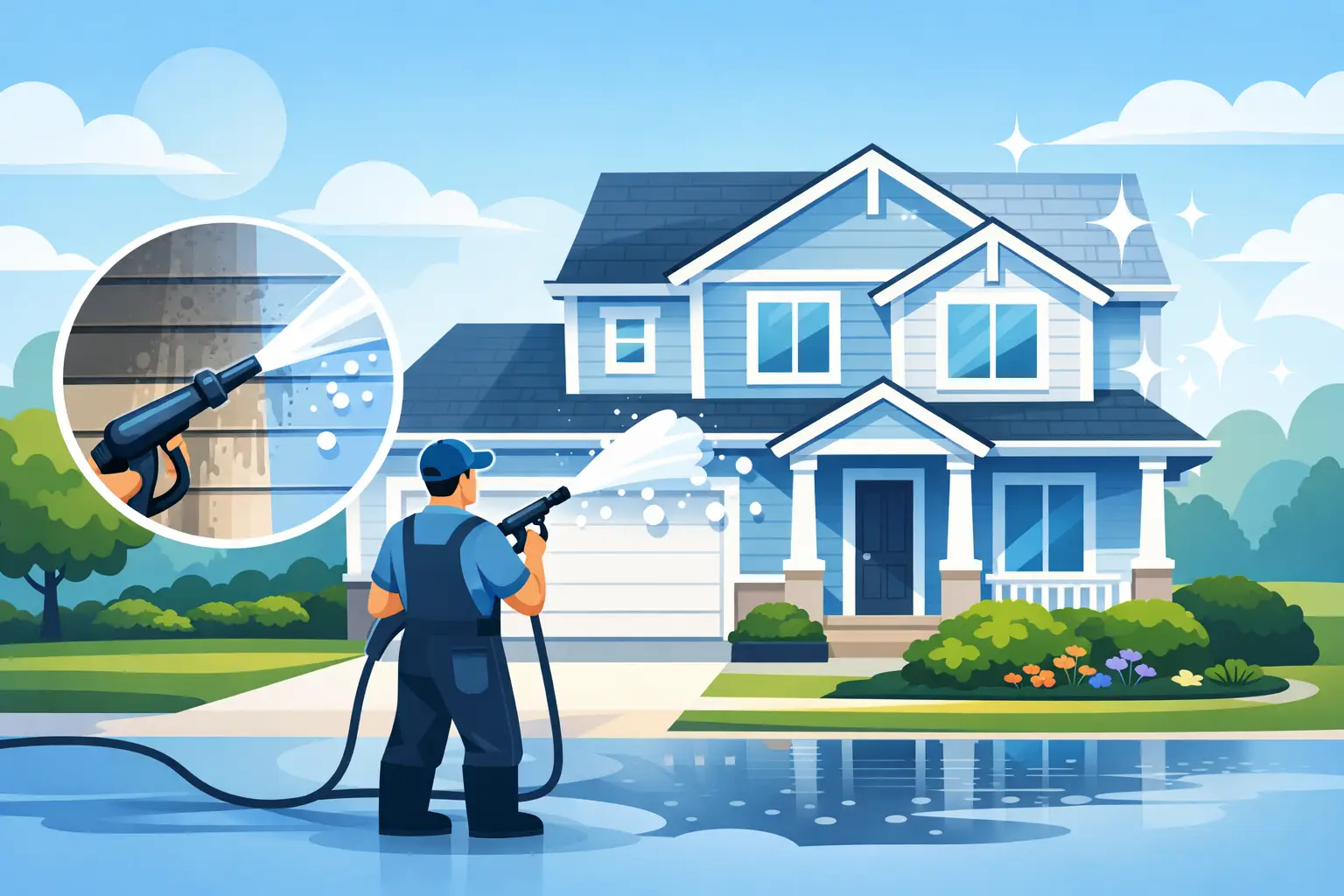
A roof is not a driveway or concrete patio. High-pressure washing can strip asphalt shingle granules, loosen shingles, force water beneath roofing materials, and potentially affect manufacturer warranty coverage. Even when the roof looks clean immediately afterward, the hidden damage can cost far more than the original service.
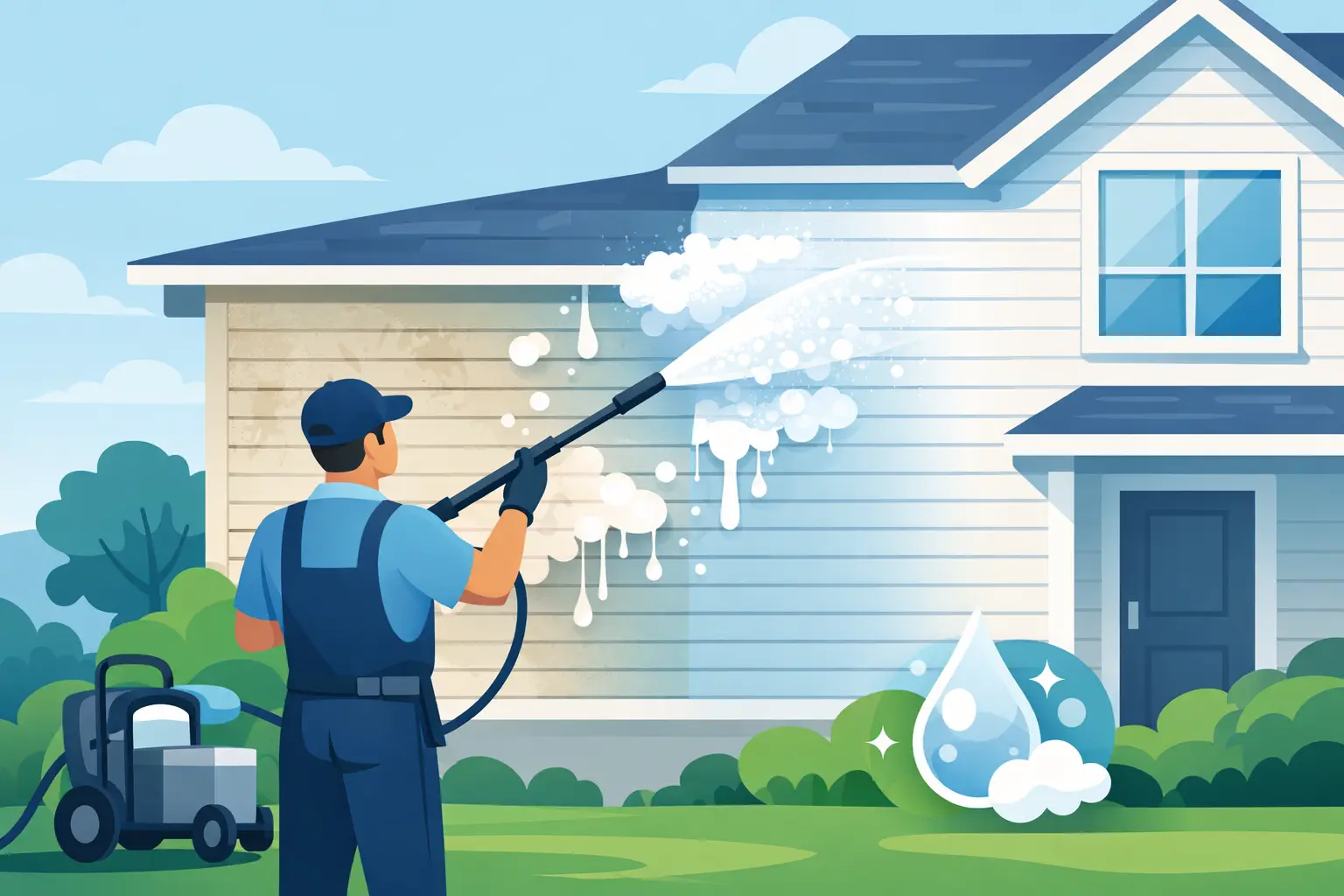
Professional roof washing typically relies on a controlled soft-wash process. This method uses low-pressure application and roof-appropriate cleaning solutions to treat algae, moss, lichen, and mildew at the source. The solution does the cleaning work rather than a harsh blast of water.
Results can vary by condition. Light algae staining may improve quickly, while thicker moss and lichen may require a careful treatment process and time to release naturally. That slower approach is often the safer one for the roof. A reputable provider should explain what to expect before work begins instead of promising an instant result that requires damaging pressure.
Consider Your Roof Material and Condition
Asphalt shingles are common throughout Baltimore County, but they are not the only roofing material. Each roof needs a method suited to its surface and condition.
Cedar shake roofs require special care because wood can be damaged by excessive pressure and harsh chemical use. Metal roofs may collect pollen, mildew, and airborne residue, but their coating and seams need to be protected. Tile, slate, and older roofs can be fragile under foot, making access and technique just as important as the cleaning solution.
Before scheduling a wash, consider the roof’s age. If shingles are curling, cracked, missing granules, or nearing the end of their lifespan, cleaning alone will not solve the underlying issue. In some cases, a roofing contractor should address repairs first. Cleaning a failing roof may improve its appearance temporarily, but it cannot restore worn-out materials.
Roof Cleaning and Gutter Care Work Better Together
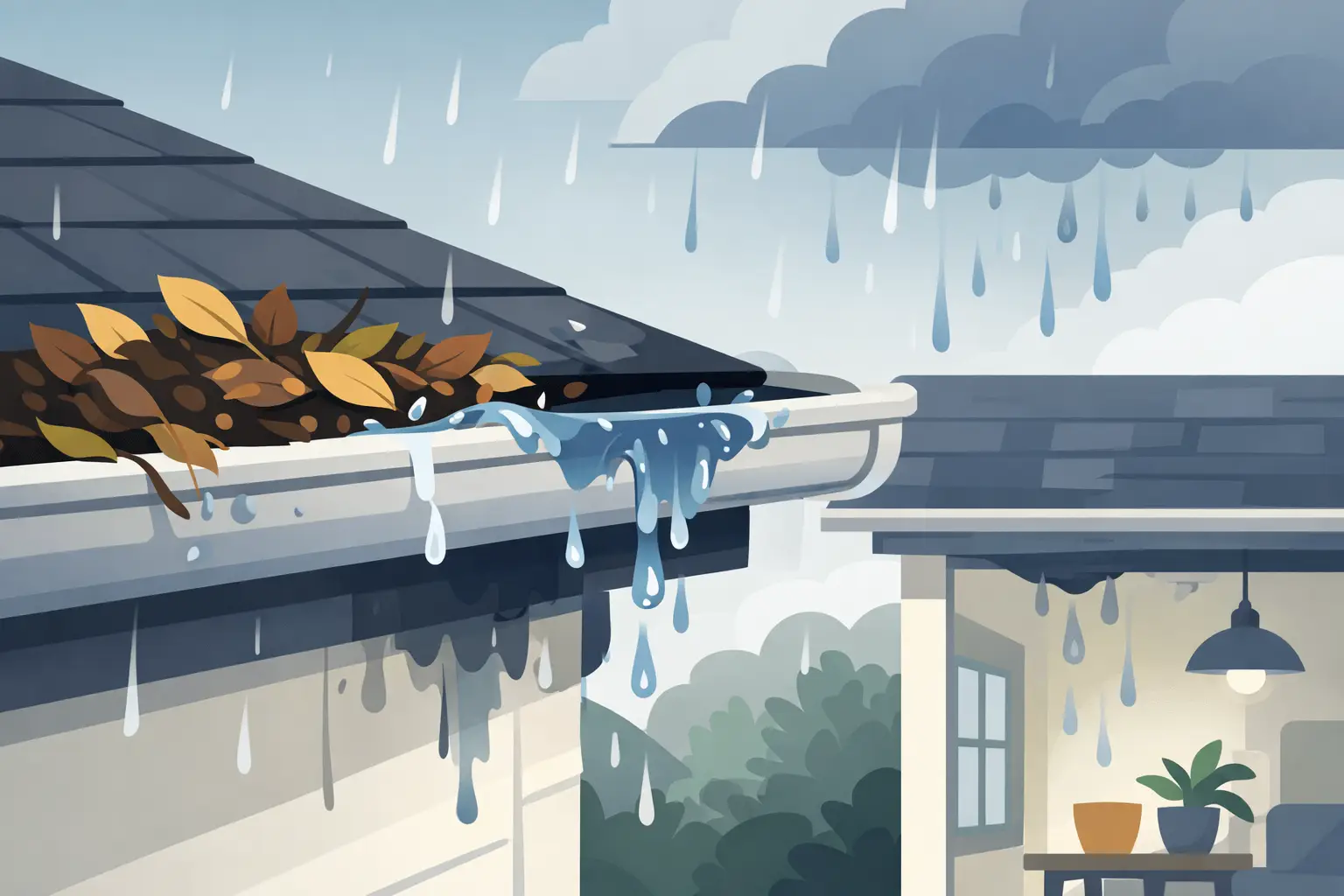
A clean roof is only part of a healthy drainage system. Leaves, roof grit, and organic debris often travel directly into gutters and downspouts. When gutters overflow, water can stain siding, saturate landscaping, affect foundations, and contribute to ice problems during cold weather.
Pairing roof cleaning with gutter cleaning is a practical way to protect the whole exterior. It also gives professionals a better opportunity to identify blocked downspouts, loose gutter sections, and problem areas where roof valleys direct too much debris into one location. For homes with dirty siding, patios, decks, or walkways, coordinating exterior services can save time and create the fresh, like-new appearance homeowners want.
Preparing for a Professional Roof Wash
A qualified cleaning team should assess the roof, identify the likely cause of staining, and choose a low-pressure process appropriate for the material. They should also protect surrounding plants, rinse exterior areas as needed, and communicate clearly about access, pets, outdoor furniture, and water use.
Before the appointment, move delicate planters and outdoor items away from the work area if requested. Close windows, keep pets inside, and make sure gates are accessible. If you have a rain barrel, pond, or particularly sensitive landscaping, point it out before work starts so the crew can plan proper protection.
Upfront pricing matters here. The size, pitch, material, accessibility, degree of growth, and nearby landscaping can all affect the scope of work. A professional quote should reflect those conditions rather than offer a vague, too-good-to-be-true price.
Common Questions About When to Wash a Roof
Can I wait until my roof is completely black?
You can, but it is rarely the best value. Early algae staining is easier to treat, while years of buildup can make a roof appear older and create conditions that retain moisture. Schedule an evaluation when streaks first become noticeable.
Is roof washing safe for plants?
It can be when performed correctly. Professional crews use appropriate dilution, plant protection, controlled application, and thorough rinsing practices. Tell the crew about gardens, ponds, and sensitive landscaping before the service begins.
Will cleaning make an old roof look new?
Cleaning can dramatically improve the appearance of a stained roof, but it cannot repair missing shingles, worn granules, or structural concerns. A trustworthy provider will be direct about the difference between surface staining and roof damage.
For Baltimore County homeowners, the best time to act is before a small roof stain becomes a larger maintenance problem. Superior Cleaning Solutions can help you evaluate visible growth, clean the roof with a surface-appropriate method, and coordinate the exterior care that keeps your property looking protected and well maintained.


Leave a Reply