
A burst supply line behind a washing machine can soak drywall, flooring, and the room below before you finish searching for towels. When water enters your home, the first few hours matter most. This emergency water damage guide gives Baltimore County homeowners and property managers a clear, practical plan to protect people, limit property loss, and get professional help before moisture turns into a much larger restoration project.
Start With Safety, Not Cleanup
Water and electricity are a dangerous combination. If water is near outlets, appliances, your electrical panel, or ceiling fixtures, do not walk into the affected area or try to unplug anything. Turn off power only if you can reach the breaker panel without entering standing water. Otherwise, leave the area and call a qualified professional.
The same caution applies when a ceiling is sagging, bulging, or dripping. It may be holding a significant amount of water and could collapse without warning. Keep children, pets, tenants, and employees away from the area.
You should also consider where the water came from. Clean water from a broken supply line is very different from water that has backed up through a drain, toilet, or sewer line. Sewage-contaminated water can carry harmful bacteria and should be handled by trained restoration professionals with proper protective equipment.
Stop the Water Source If You Can
Once everyone is safe, stop the flow at its source. For a leaking appliance or fixture, close the nearby shutoff valve. For a larger plumbing failure, turn off your home’s main water supply. Most Baltimore County homes have a main shutoff near the water meter, basement utility area, crawl space, or where the main line enters the home.
If the water is coming from outside during heavy rain, place buckets under active roof leaks and move belongings away from the affected area. Do not climb onto a wet roof or attempt exterior repairs during a storm. A roof leak may be a maintenance issue, but the water spreading through insulation, drywall, and framing is an immediate restoration concern.
For overflowing toilets, sinks, or drains, do not keep running water elsewhere in the home. Shut off the fixture if possible and avoid using plumbing until the cause is identified. Continued use can force more contaminated water into the property.
Emergency Water Damage Guide: What to Do in the First Hours
After the source is controlled, act quickly but do not create new risks. Take photos and short videos of the affected rooms, damaged belongings, and visible source of the water. Documentation can help with insurance conversations and gives restoration professionals a clearer picture of what happened.
Move dry, valuable, or easily damaged items out of the wet area. Focus on electronics, photographs, important documents, furniture with wooden legs, rugs, and anything stored directly on the floor. Place aluminum foil, plastic blocks, or small wood pieces under furniture legs if the furniture cannot be moved and the water is clean.
For a small clean-water spill, you can begin removing standing water with towels, a wet/dry vacuum, or a mop. Open interior doors and use fans to improve air movement only after confirming the area is electrically safe. Air conditioning can also help lower indoor humidity.
Avoid using a standard household vacuum on water. Do not use fans on sewage-contaminated water, since they can spread contaminants through the air and into nearby rooms. Bleach is not a substitute for proper extraction and drying, either. It may discolor materials and does not remove water trapped behind walls, under flooring, or inside insulation.
If water has reached carpet padding, drywall, hardwood flooring, baseboards, cabinets, or more than one room, professional drying equipment is usually the smarter choice. Surface dryness can be misleading. Materials may feel dry while moisture remains beneath them, where mold growth and structural deterioration can begin.
Know When the Water Is an Emergency
Not every leak requires a full restoration response. A small puddle from a refrigerator line that is stopped immediately may only need cleanup and monitoring. The trade-off is that waiting can be costly when water has had time to travel into hidden spaces.
Call for professional water damage restoration right away when you see standing water, water spreading into multiple rooms, wet carpeting, soaked drywall, warped floors, ceiling stains, or a musty odor after a leak. Fast service is especially important for homes with finished basements, wood floors, valuable furnishings, or occupied rental units.
Certain situations should always be treated as urgent:
- Sewage backups, toilet overflows involving waste, and drain backups
- Floodwater entering from outdoors or through a foundation
- Water near electrical systems or appliances
- A ceiling that is sagging, cracked, or actively leaking
- Water that has been sitting for more than several hours
- Damage involving multiple rooms, floors, or units in a building
A professional restoration team can identify the full moisture path, extract water efficiently, place commercial drying equipment, monitor moisture levels, and determine which materials can be saved. This is not simply about drying what you can see. It is about protecting the building materials behind the finished surfaces.
Protect Your Home While You Wait for Help
If conditions are safe, continue removing lightweight belongings and keep people out of affected rooms. Lift curtains off wet carpet, remove wet area rugs, and separate wet items so air can circulate around them. Do not pull up carpet, remove baseboards, or open walls unless instructed by a restoration professional or your insurer. Those decisions depend on the type of water, the materials involved, and the extent of moisture.
For property managers, communicate clearly with tenants. Tell them which rooms or fixtures should not be used, where to report additional leaks, and how to reach you after hours. A quick response can prevent one unit’s plumbing issue from becoming damage across several apartments.
Keep receipts for emergency purchases such as fans, storage bins, or temporary lodging if those costs are necessary. If you plan to file an insurance claim, contact your carrier promptly, but do not delay emergency mitigation while waiting for an adjuster. Most policies expect homeowners to take reasonable steps to prevent additional damage.
What Professional Drying Should Include
A dependable water damage response is more than arriving with a few fans. The process should begin with an inspection of affected rooms and materials, followed by water extraction and moisture detection. Professionals use specialized meters and thermal tools to locate moisture in subfloors, walls, ceilings, and other concealed areas.
Next comes a drying plan tailored to the property. That can include air movers, dehumidifiers, controlled airflow, and removal of materials that cannot be safely dried. The right approach depends on whether the water was clean, gray, or contaminated, along with how long it was present and what it touched.
Ongoing moisture checks are just as valuable as the first visit. Drying too quickly in the wrong way can damage some materials, while stopping too early can leave hidden moisture behind. Ask your restoration provider how they will document drying progress and when the affected area will be cleared for repairs.
Superior Cleaning Solutions provides responsive water damage restoration for Baltimore County homes and light commercial properties. A local team that can assess the situation quickly, explain what needs to happen next, and provide straightforward guidance helps replace uncertainty with a workable plan.
Reduce the Risk of the Next Water Emergency
Many water losses begin with small maintenance problems that were easy to miss. Check supply hoses behind washing machines, refrigerators, dishwashers, and ice makers for corrosion, cracking, or loose connections. Replace aging rubber hoses with higher-quality braided lines where appropriate.
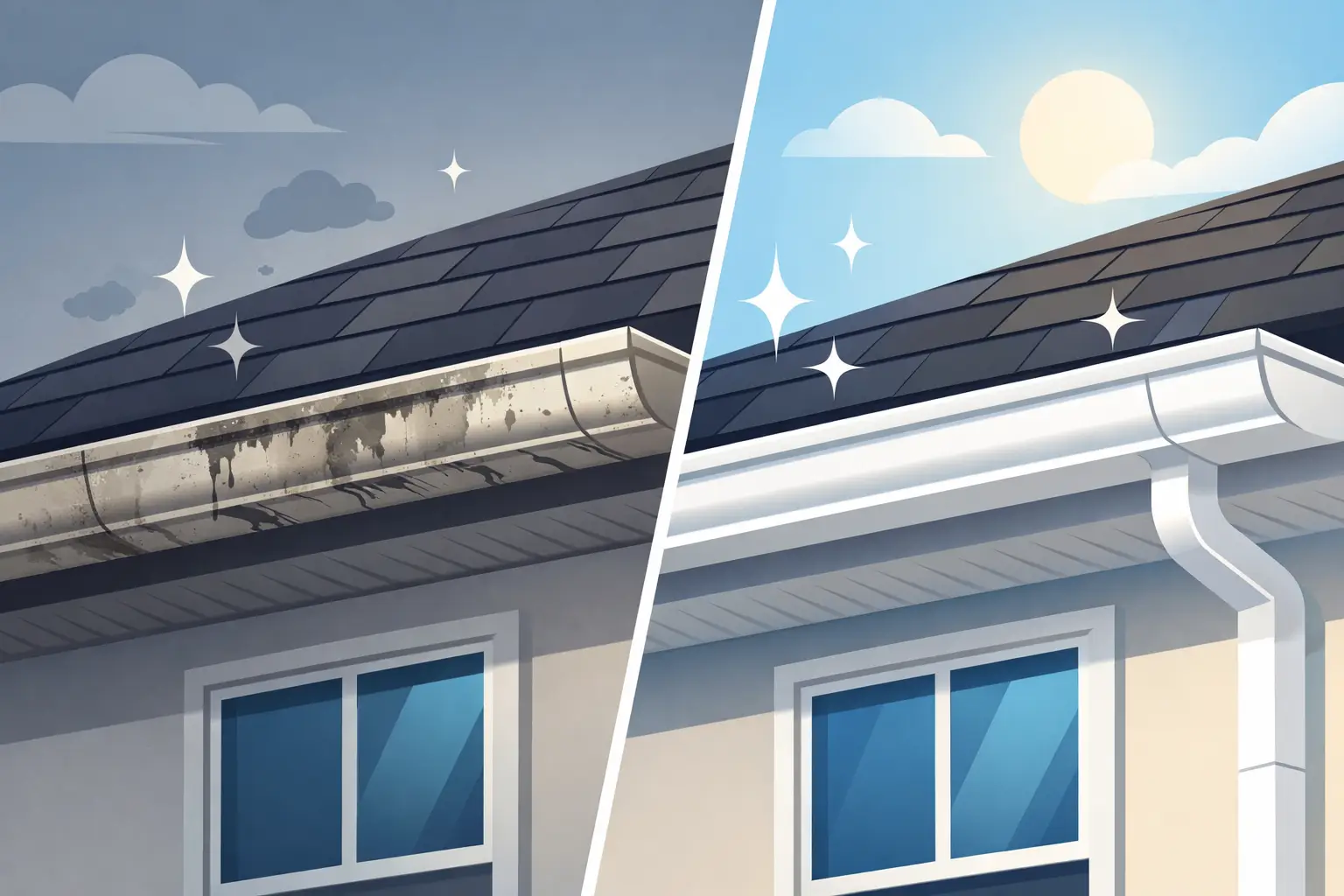
Keep gutters clean and make sure downspouts direct water away from your foundation. In Maryland’s heavy rainstorms and winter freeze-thaw cycles, clogged gutters and poor drainage can send water where it does not belong. Watch for recurring basement dampness, foundation cracks, roof stains, and slow drains, then address them before the next storm or plumbing failure exposes the problem.
A water emergency is stressful, but your response does not have to be uncertain. Put safety first, stop the source when possible, document the damage, and bring in qualified help when moisture has moved beyond a small, clean spill. Fast action protects more than floors and walls – it protects the comfort, value, and livability of your property.





Leave a Reply