
A Baltimore County downpour can expose a gutter problem in minutes. Water spills over the edge, pools near the foundation, streaks the siding, and turns a small maintenance issue into a costly repair risk. When homeowners weigh gutter cleaning vs gutter guards, the best answer is rarely to choose one and forget the other. Guards can reduce debris buildup, but clean gutters remain essential to keeping water moving where it belongs.
For many homes in our area, the right choice comes down to surrounding trees, roof design, gutter condition, and how much hands-on maintenance you want to avoid. Here is what each option really delivers.
What Regular Gutter Cleaning Does Best
Gutter cleaning removes the material that is already causing trouble: wet leaves, pine needles, seed pods, roof grit, shingle granules, sticks, and mud-like buildup. A professional service should also clear downspouts and check that water is flowing freely away from the home.
This is the most direct way to restore a clogged gutter system. If water is overflowing today, installing guards will not solve the existing blockage underneath. The gutters need to be cleared first.
Regular cleaning is especially valuable for older homes, properties with heavy tree coverage, and gutters that have started to sag or pull away from the fascia. During a cleaning visit, a trained technician can spot standing water, loose spikes, separated joints, downspout clogs, and areas where runoff is washing over the gutter instead of draining through it.
For Baltimore County homeowners, twice-yearly cleaning is a common starting point: once after spring pollen, seeds, and storms, and again after fall leaf drop. Homes beneath mature oaks, maples, pines, or sycamores may need more frequent attention. A single major storm can fill a gutter faster than most people expect.
The Benefits of Cleaning Without Guards
Cleaning is typically the lower upfront-cost option and works with nearly every gutter system. It allows for a close inspection of the gutter channel, which matters when you are trying to catch small problems before they affect the roofline, siding, landscaping, or foundation.
It also avoids a common misconception: that every gutter guard works well on every roof. Some guard designs can be difficult to fit around roof valleys, steep pitches, unusual gutter shapes, or aging gutters. When a system is already damaged, cleaning and repairing it first is the smarter investment.
The downside is simple: debris will return. A clean, uncovered gutter requires a recurring maintenance plan, and putting it off can lead to overflow, standing water, insects, mold growth, and avoidable exterior staining.
Gutter Cleaning vs Gutter Guards: The Real Difference
Gutter guards are covers, screens, or inserts designed to block larger debris while allowing rainwater to enter the gutter. They can make cleanouts faster and less frequent, but they do not make gutters maintenance-free.
That distinction matters. Leaves may stay on top of a guard, but smaller debris can still collect on the surface or work its way through openings. Pine needles, roof grit, pollen, seed pods, and shingle granules are particularly persistent. Guards can also become clogged at the edge, causing water to run over the front of the gutter during a hard rain.
The practical comparison looks like this: gutter cleaning restores full drainage and gives the entire system a checkup. Gutter guards reduce the amount of debris that reaches the gutter channel, potentially lowering the frequency and difficulty of future cleanings. One is an active maintenance service; the other is a preventive add-on.
For most properties, gutter guards are not a replacement for cleaning. They are a way to make a routine maintenance plan more manageable.
When Gutter Guards May Be Worth It
Guards can be a strong fit for homes with recurring leaf buildup, tall rooflines, or gutters that are difficult for the owner to access safely. They may also appeal to busy families, landlords, and property managers who want fewer emergency calls after storms.
The best candidates generally have gutters that are structurally sound, correctly pitched, and large enough to handle roof runoff. Before guards are installed, the system should be cleaned, the downspouts should be confirmed clear, and any loose or leaking sections should be repaired.
Guard quality and design matter. A low-cost screen may keep out large leaves but can let fine debris through or lift during severe weather. Fine-mesh systems may filter more debris, yet they can still collect pollen and roof sediment along the surface. Brush and foam inserts are easy to install but often hold organic material and may require frequent replacement or cleaning.
No product eliminates the need to inspect gutters after heavy weather. A guard system that is not maintained can hide a blockage until water is already spilling over the edge.
Consider Your Trees, Roof, and Rainfall
The type of debris around your home has a major effect on guard performance. Large, dry leaves are easier for many guards to handle than pine needles or spring seed pods. Homes near pine trees often need more frequent surface cleaning because needles can rest across guard openings and trap other debris.
Roof design matters too. Fast-moving water from a steep roof or a roof valley can overshoot certain guard styles during heavy rain. In those cases, a professional should evaluate water flow rather than promising that a guard will solve every overflow problem.
Baltimore County weather adds another consideration: spring storms, humid summers, fall leaves, and winter freeze-thaw cycles all put pressure on drainage systems. The right solution needs to perform through more than one season.
Cost, Maintenance, and Long-Term Value
Regular gutter cleaning has a lower initial expense because you are paying for service as needed. The long-term cost depends on how often your property requires cleaning. A home with minimal tree cover may only need periodic service, while a heavily wooded lot may need multiple visits each year.
Gutter guards cost more upfront because they require materials and installation. Their value is strongest when they meaningfully reduce repeat debris buildup and make professional cleanings less frequent. They can also be worthwhile when the safety and convenience of less frequent ladder work are priorities.
Still, guards are not automatically the better financial decision. If your home has light debris exposure, a well-timed professional cleaning plan may be more cost-effective. If your gutters are old, bent, undersized, or poorly pitched, investing in guards before addressing those issues can waste money.
Think of guards as a filter, not a cure. They protect the gutter channel from much of the mess, but they cannot correct damaged gutters, poor drainage around the home, or a downspout that empties too close to the foundation.
A Practical Recommendation for Most Homes
Start with a professional gutter cleaning and inspection. This establishes a clean baseline and shows whether the gutters are in good shape, where debris is collecting, and how water moves through the system during normal drainage.
After that, decide whether guards address a real, repeat problem. If your gutters fill with leaves every fall, your roofline is difficult to reach, or you manage several properties, guards may be a useful addition. Plan for periodic inspections and light cleaning of the guard surface.
If your property has only a few nearby trees and your gutters stay relatively clear between seasonal visits, routine cleaning may be all you need. Consistency is more valuable than an expensive add-on that does not fit your home.
Protect More Than Your Gutters
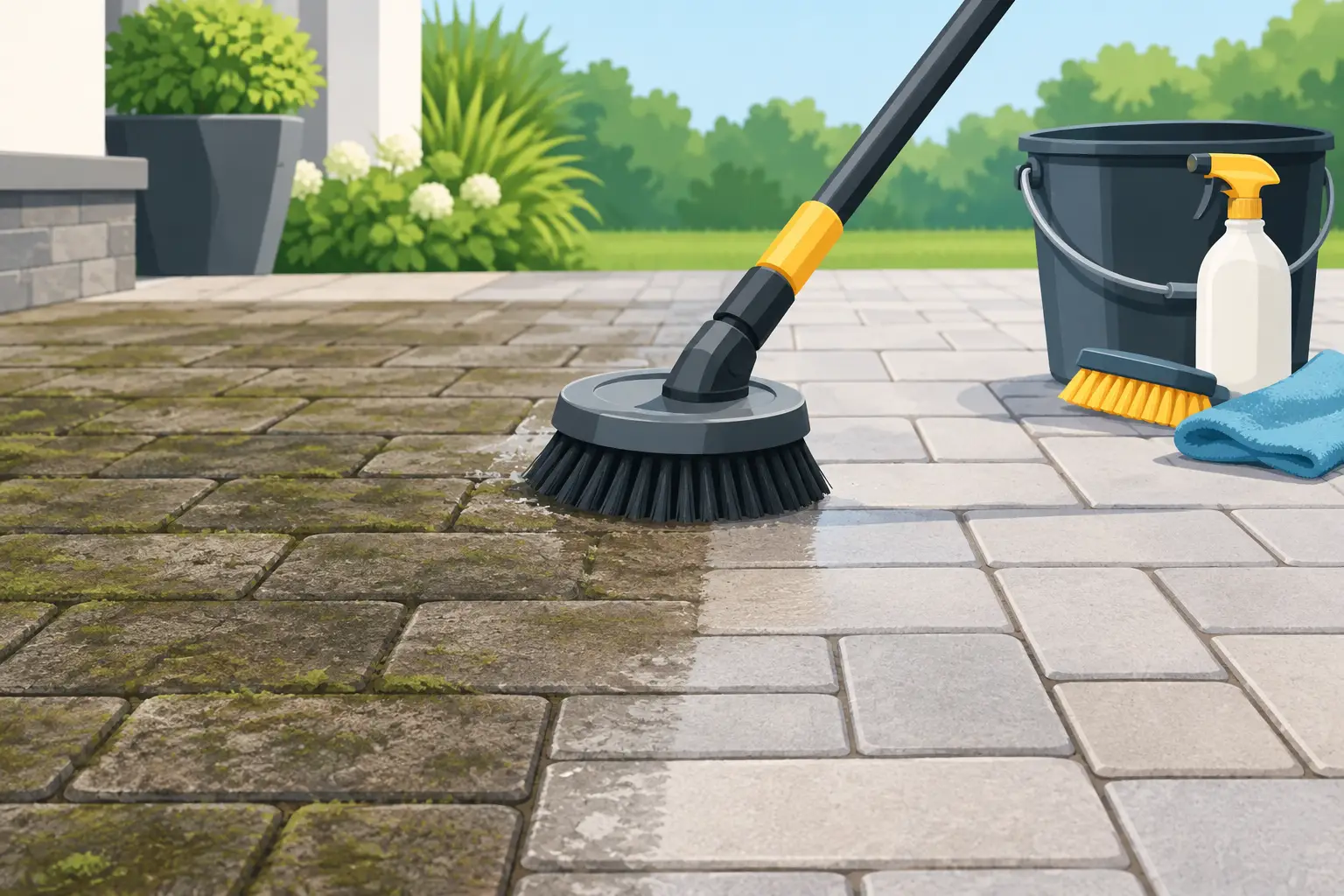
Overflowing gutters affect more than the roof edge. They can leave dark runoff marks on siding, contribute to mildew on exterior surfaces, erode mulch beds, and direct excess water toward the foundation. That is why gutter care often pairs naturally with services such as gutter brightening, soft washing, roof cleaning, and pressure washing.
At Superior Cleaning Solutions, we help local homeowners take a practical, property-wide approach to exterior maintenance. Clear gutters are not just about appearances. They help protect the parts of your home that are expensive to repair and easy to overlook.
Before the next heavy rain, take a look at the gutter line from the ground. If you see plants growing from the channel, dark streaks below the gutters, sagging sections, or water spilling over during storms, it is time to schedule a thorough cleaning and get clear guidance on whether guards make sense for your property.




Leave a Reply