
A closed-up Baltimore County home can hold onto more than heat during winter and cool air during summer. Dust, pet dander, cooking odors, excess moisture, and particles tracked in from outside can circulate through living spaces without being obvious. This indoor air quality guide gives homeowners and property managers practical ways to identify common problems, improve the air people breathe, and know when professional cleaning is worth the call.
Why Indoor Air Quality Affects More Than Comfort
Indoor air can affect how a home smells, how quickly dust returns after cleaning, and whether family members wake up congested or irritated. For people with allergies, asthma, pets, or young children at home, airborne dust and allergens can be especially frustrating. Property managers also know that stale odors and visible dust can make an otherwise well-kept rental or office feel neglected.
The cause is rarely one thing. A home may have carpet that holds pet hair, supply vents with accumulated dust, a dryer vent that needs attention, and a basement with higher humidity. Addressing the right source delivers a better result than simply spraying air freshener or changing one filter.
Start With the Signs You Can See and Smell
You do not need specialized equipment to notice that your home’s air may need attention. Persistent musty odors, unusually dusty furniture, uneven airflow, and allergy symptoms that improve when residents leave the house are all useful clues. So are dark marks around vent covers, a dryer taking longer to dry clothes, or a room that always feels damp.
Some signs require faster action. If you see active mold growth, smell a strong burning odor when the HVAC system runs, or suspect a gas or carbon monoxide issue, do not treat it as a routine cleaning project. Leave the area if necessary and contact the appropriate emergency, utility, HVAC, or restoration professional.
For everyday concerns, begin with a simple walkthrough. Check return grilles, supply vents, bathroom exhaust fans, the laundry area, carpets, upholstered furniture, and rooms where pets spend the most time. Look for a pattern rather than assuming your air ducts are automatically the problem.
Control Dust at Its Source
Dust is a mix of skin cells, fibers, soil, pollen, pet dander, and particles brought in from outdoors. In Baltimore County, seasonal pollen and wet-weather debris can make its way inside quickly, especially in homes with active kids, dogs, or frequent foot traffic.
A consistent cleaning routine matters. Vacuum carpets and rugs with a well-maintained machine, ideally one with effective filtration, and use the right attachments along baseboards and upholstery. Hard floors should be cleaned in a way that captures soil rather than spreading it around. Washing bedding regularly and cleaning pet beds also reduces the materials that can become airborne.
Carpets and upholstered furniture deserve more than a quick surface pass when odors, stains, or embedded soil remain. Professional carpet and upholstery cleaning can remove deeply settled debris that routine vacuuming cannot reach. This is particularly helpful after a wet winter, a pet accident, a move-in, or a busy holiday season.
Use Your HVAC System Wisely
Your heating and cooling system is not a source of clean air by itself. It moves air throughout the building, so neglected filters, dirty returns, and moisture issues can affect multiple rooms.
Check your HVAC filter on the schedule recommended for your household and system. A home with pets or heavy use may need more frequent changes than a lightly occupied home. Choose a filter rating your HVAC manufacturer supports. A very restrictive filter can capture smaller particles, but if it is not compatible with the system, it may reduce airflow and strain equipment.
Keep return vents open and clear of furniture, storage bins, and curtains. Vacuum visible dust from registers carefully, but avoid pushing debris deep into the ductwork. If there is heavy buildup, construction dust, pest evidence, unexplained odors, or visible contamination inside accessible areas, an air duct cleaning inspection can help determine whether professional service is appropriate.
Air duct cleaning is not a cure-all for every allergy concern. It works best as part of a broader plan that includes filter changes, source control, humidity management, and regular cleaning. A reputable provider should explain what they found, what work is recommended, and what results are realistic before service begins.
Keep Humidity From Taking Over
Maryland’s humid summers and damp stretches of weather can create conditions that support mildew odors and mold growth. Bathrooms, basements, laundry rooms, crawl spaces, and areas affected by leaks need special attention.
Run bathroom exhaust fans during showers and for a period afterward. Use kitchen ventilation when cooking, repair plumbing leaks promptly, and keep gutters and exterior drainage working so water does not collect near the foundation. If a basement feels clammy, a properly sized dehumidifier may help. The goal is not overly dry air, which can be uncomfortable, but a stable indoor environment that does not encourage moisture problems.
If water has entered the home from a burst pipe, appliance leak, roof issue, or flooding, speed matters. Wet carpet, padding, drywall, and insulation can become a larger restoration project if they are not dried correctly. Professional water damage restoration helps identify affected materials, remove moisture, and protect the property from additional damage.
Do Not Forget the Dryer Vent
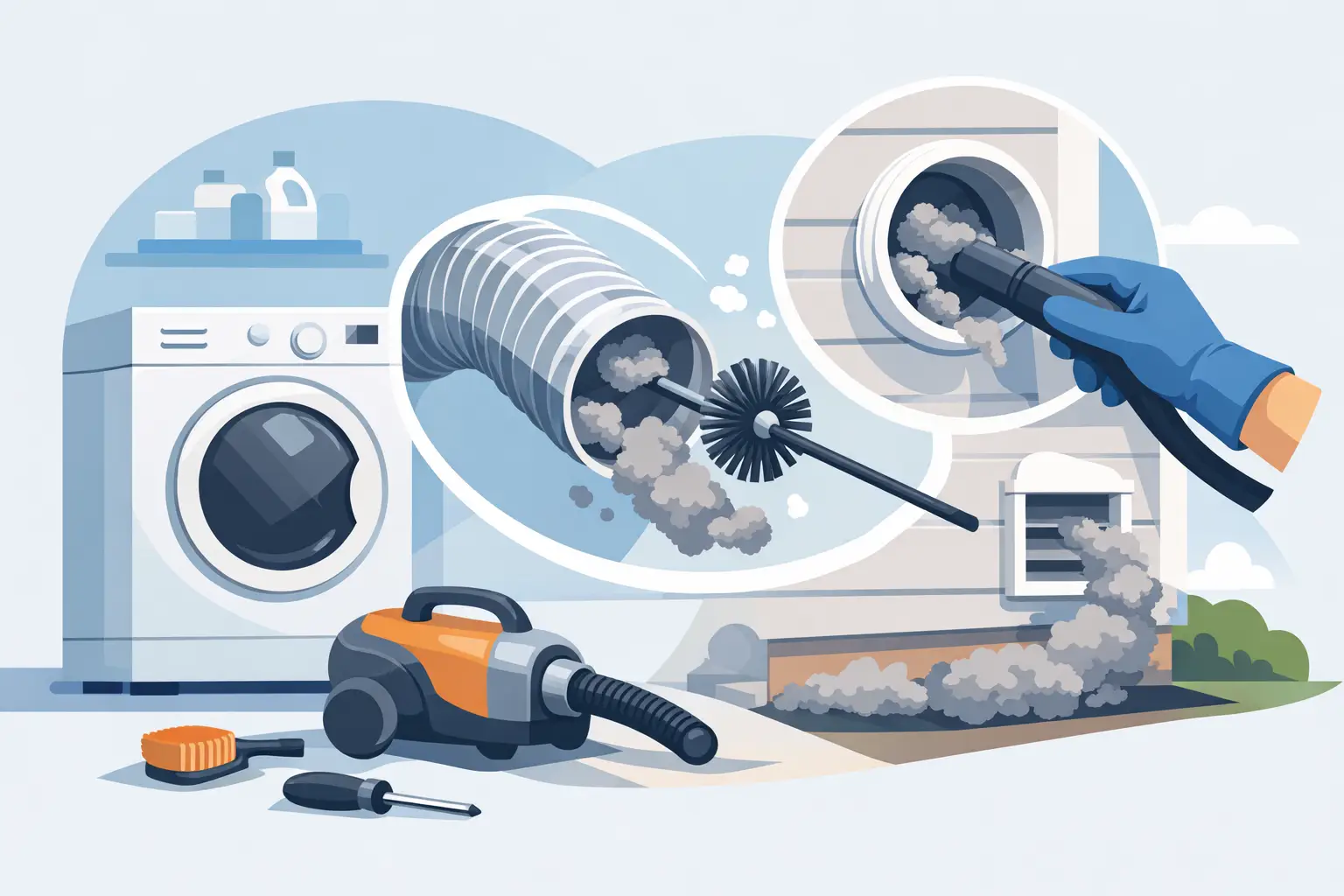
A dryer vent is easy to overlook because much of it is hidden. Yet lint buildup can reduce drying performance, add unwanted moisture indoors, and create a serious fire risk. If clothes take multiple cycles to dry, the laundry area feels unusually hot, or you notice a burning smell, stop using the dryer until the issue is evaluated.
Routine dryer vent cleaning removes accumulated lint from the vent path and helps the appliance operate more efficiently. It is a practical maintenance service for homeowners, landlords, and small commercial properties, especially where dryers run frequently.
Improve Daily Habits Without Overcomplicating Them
Small habits add up. Remove shoes near the entry when practical, use doormats inside and outside doors, and avoid smoking or vaping indoors. Store paint, solvents, fuel containers, and strong chemical products according to their labels and away from living areas. When weather and outdoor conditions allow, opening windows briefly can help refresh a stuffy space, though it may not be ideal during peak pollen days or poor outdoor air conditions.
Be thoughtful about fragrances, too. Candles, incense, aerosol sprays, and heavily scented products can cover odors while adding particles or chemicals to the air. If a room smells stale, investigate the cause. It could be moisture, a dirty carpet, an overfilled trash can, an HVAC issue, or a forgotten spill beneath furniture.
When to Call a Professional
Professional help makes sense when a problem is persistent, widespread, or difficult to reach safely. That may include ductwork with substantial debris, a dryer vent that runs through a long route, carpets with deep pet odors, water-damaged materials, or hard surface flooring that no longer responds to normal mopping.
For Baltimore County homeowners who want one reliable team for several cleaning needs, Superior Cleaning Solutions can assess the situation, provide upfront recommendations, and schedule the services that fit the property. The right approach may involve air duct cleaning, dryer vent cleaning, carpet cleaning, upholstery cleaning, or water damage restoration. It depends on what is actually affecting the space.
A cleaner, fresher home starts with paying attention to the clues your property is already giving you. Address the source, keep up with the maintenance that prevents buildup, and bring in trained help before a small indoor air concern becomes a larger cleaning or restoration problem.






Leave a Reply