
A burst supply line, overflowing appliance, wet basement, or storm-related leak can turn a comfortable room into an urgent cleanup decision. When homeowners weigh wet carpet extraction vs replacement, the right answer depends less on how wet the carpet looks and more on where the water came from, how long it sat, and what happened beneath the surface.
Carpet can often be saved after a clean-water incident when professional drying begins quickly. But trying to preserve contaminated carpet or carpet with hidden moisture can create lingering odors, mold growth, damaged padding, and unnecessary repair costs. For Baltimore County homeowners and property managers, fast assessment is the best way to protect both the space and the people using it.
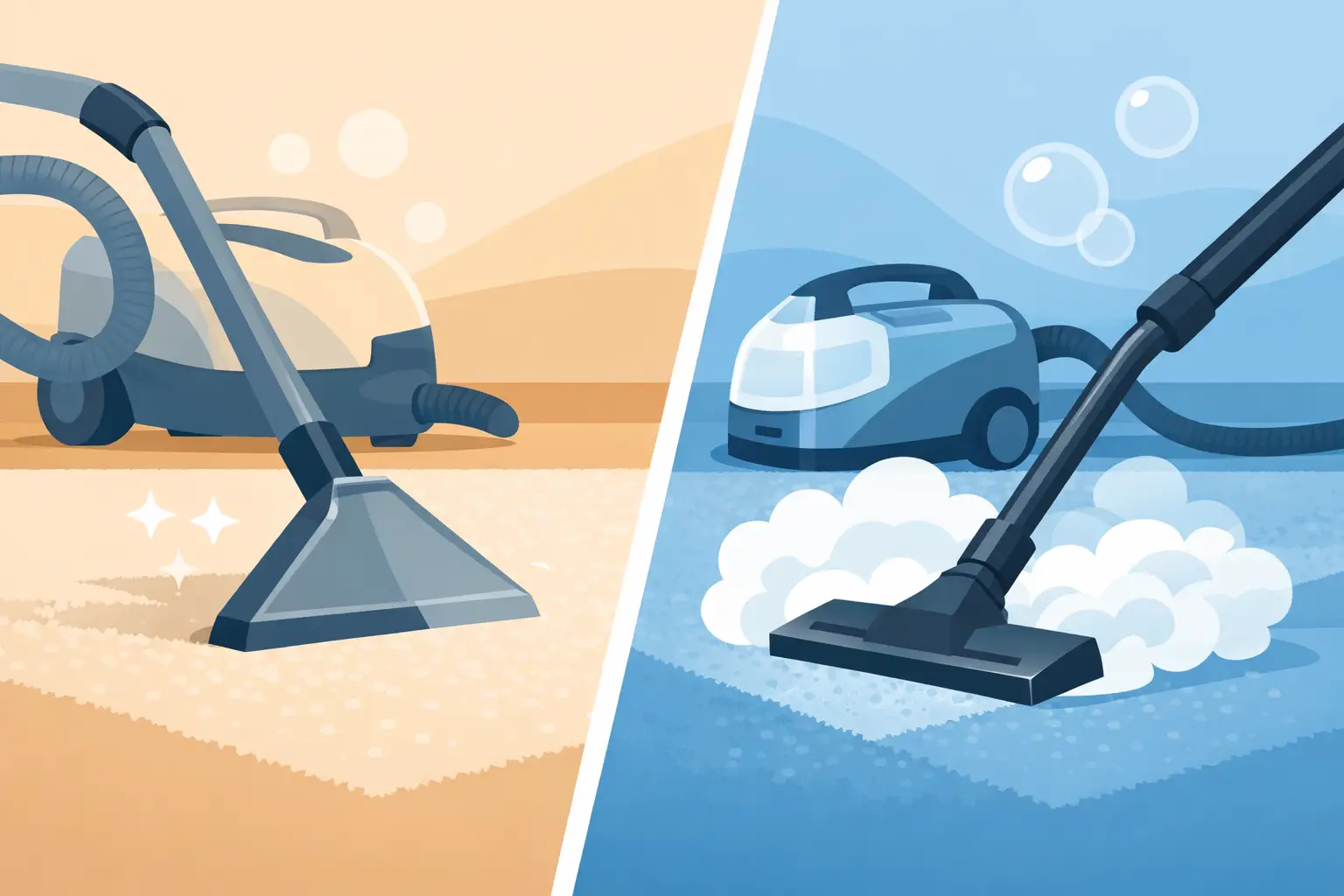
Wet Carpet Extraction vs Replacement: The Real Decision
Water extraction is the process of removing standing water and moisture from carpet, padding, and sometimes the subfloor using professional equipment. It is not simply vacuuming the carpet until it feels dry. Effective restoration also involves lifting or treating the carpet as needed, drying the affected materials with air movement and dehumidification, checking moisture levels, and cleaning the area appropriately.
Replacement means removing the carpet and usually the pad because they cannot be reliably restored or because they are no longer safe to keep. It may sound like the more expensive option, but replacement can be the smarter long-term decision when water has carried contaminants into porous materials or has remained in place long enough to support microbial growth.
The key trade-off is straightforward: extraction can preserve a carpet that is structurally sound and exposed only to clean water, while replacement reduces risk when contamination, extensive damage, or prolonged moisture are involved.
When Wet Carpet Extraction Can Save Your Flooring
Professional extraction is often a strong option after a clean-water event. Examples include a supply-line leak, a refrigerator water line issue, an overflowing sink with clean water, or rain entering through an opening that has not contacted soil, sewage, or other contaminants.
Speed matters. Carpet that receives immediate attention has a much better chance of being restored, particularly when the water has been present for less than 24 to 48 hours. A trained technician can extract water from the carpet and pad, assess whether the pad can be dried or should be removed, and use commercial air movers and dehumidifiers to bring moisture levels down safely.
Extraction is most likely to make sense when the carpet is newer, in good condition before the incident, and free of persistent odors or visible discoloration. It is also more practical in rooms where the water affected a limited area rather than traveling through multiple rooms, walls, closets, or flooring transitions.
Do not judge the situation by the carpet surface alone. Carpet fibers may feel dry while the padding, tack strips, or subfloor remain wet. That trapped moisture is where odors and preventable damage can begin. Professional moisture checks provide a far more reliable answer than touch alone.
The Padding Question
Carpet padding absorbs water quickly and can be more difficult to dry than the carpet itself. In some clean-water situations, a qualified restoration team may be able to dry the pad successfully. In others, removing and replacing the pad while saving the carpet is the more dependable approach.
This middle-ground solution can control costs without leaving hidden moisture below the carpet. It is especially common when water has saturated a broad area but the carpet itself remains clean and undamaged.
When Carpet Replacement Is the Safer Choice
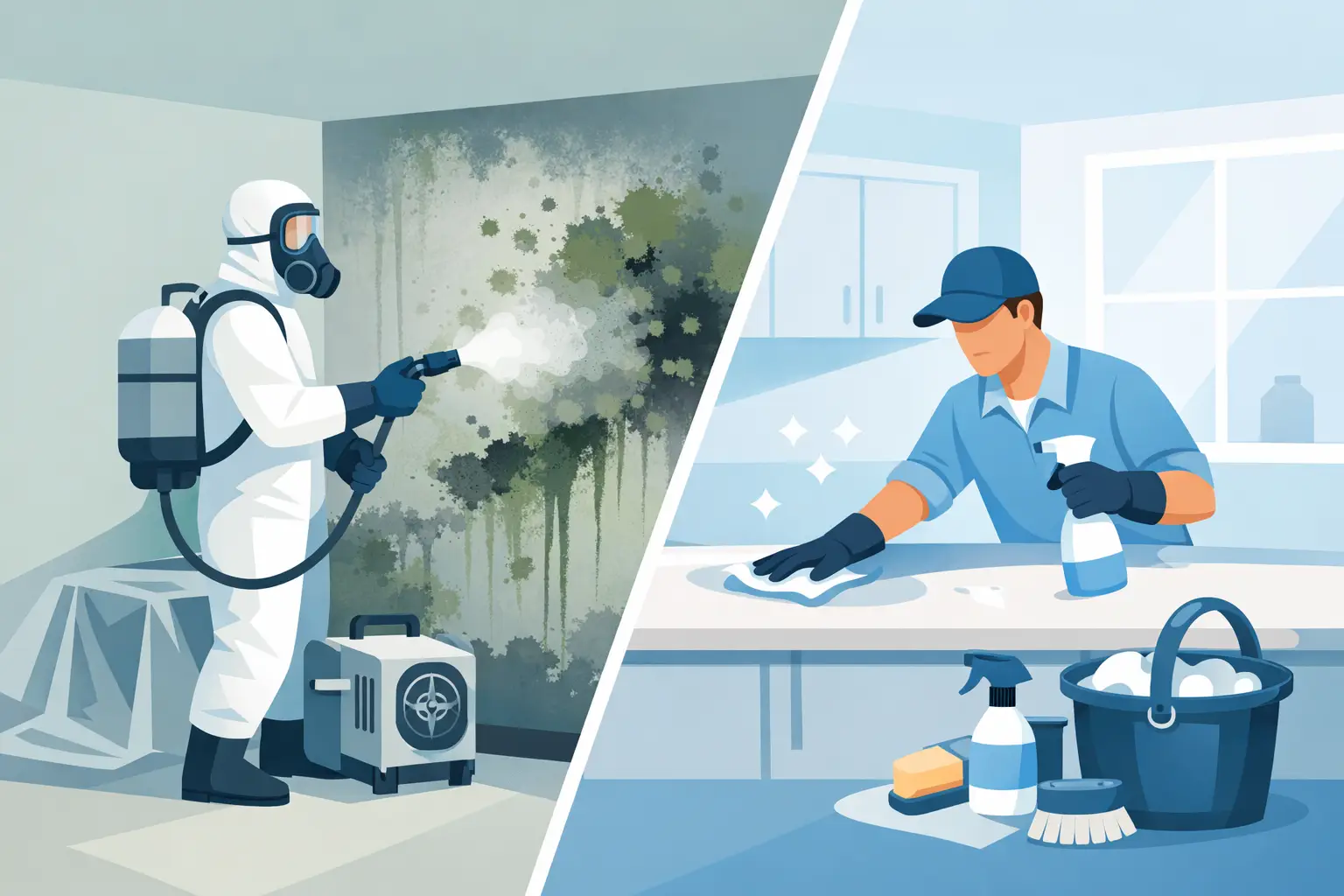
Replacement is generally recommended when the water source is contaminated. Water damage professionals often classify water by risk level. Clean water is typically from a sanitary source. Gray water may contain contaminants from appliances, drains, or similar sources. Black water includes sewage, toilet overflows involving waste, and floodwater that may contain bacteria, chemicals, and debris.
Carpet and padding are porous materials. Once contaminated water saturates them, thorough cleaning may not be enough to return them to a safe condition. Removing affected carpet, padding, and sometimes portions of baseboard or drywall helps prevent contamination from remaining in the home or business.
Replacement may also be the best choice when any of these conditions are present:
- The carpet stayed wet for more than 48 hours, especially in a warm, poorly ventilated area.
- There is a musty odor, visible mold, staining that returns after cleaning, or signs of delamination.
- Water reached multiple rooms, ran beneath walls, or soaked into wood subflooring.
- The carpet is older, heavily worn, or already due for replacement before the water event.
A wet basement carpet deserves particular care. Basements often have limited airflow and higher natural humidity, which makes drying slower and increases the chance of hidden moisture. If the water came from groundwater, a drain backup, or a storm-related flood, replacement is often the safer path.
What Happens If You Wait Too Long?
Waiting can turn a manageable extraction job into a larger restoration project. Within the first day, moisture can migrate farther into padding, baseboards, wall cavities, furniture, and subflooring. As time passes, the room may develop odors, the carpet backing can weaken, and mold can begin growing where it is not visible.
That does not mean every wet carpet must be discarded after a few hours. It does mean that the drying process should start immediately, with the right equipment and a plan based on the water source. Household fans can help in a small, clean-water spill, but they cannot replace commercial extraction and controlled drying for a saturated room.
Avoid using a regular household vacuum on standing water, and do not run fans over sewage-contaminated water. If there is any chance the water is from a sewer line, toilet overflow with waste, outside flooding, or an unknown source, keep people and pets away from the affected area until it has been assessed.
What a Professional Water Damage Assessment Should Include
A reliable assessment should be clear, practical, and focused on what your property actually needs. The technician should identify the likely water source, inspect how far the moisture traveled, and evaluate the carpet, padding, walls, baseboards, furniture, and subfloor.
At Superior Cleaning Solutions, the goal is not to sell replacement when a carpet can be properly restored. It is to help Baltimore County customers make an informed decision based on safety, condition, and long-term value. If extraction is appropriate, professional-grade equipment removes water quickly and supports thorough drying. If replacement is the safer choice, you will know why before putting money into a short-term fix.
Upfront communication matters here. Ask whether the padding can be saved, how moisture will be verified during drying, whether cleaning or antimicrobial treatment is recommended, and which materials should be removed. A good restoration provider should explain the scope in plain language rather than relying on vague promises that everything will be fine.
Protecting Your Property Before Help Arrives
If the water is clean and it is safe to enter the area, stop the water source first. Move lightweight furniture, rugs, and belongings off the wet carpet when possible. Blot small wet areas with clean towels, and open windows or run air conditioning if outdoor conditions allow. Photograph the damage before moving major items, particularly if you may file an insurance claim.
For larger losses, avoid walking across the carpet more than necessary. Water can spread through foot traffic, and soaked carpet may pull loose from tack strips. If electricity could be affected, do not enter the room until it is safe to do so.
The best next step is fast, professional evaluation. A carpet does not need to look ruined to need immediate attention, and it does not need to be automatically replaced just because it got wet. Acting early gives you more options, a cleaner result, and a better chance of protecting the flooring you already own.





Leave a Reply